
 LANGUAGE
  English
 Türk
Türk 中文简体
中文简体BT001 Honda Accord Windshield Wiper Motor
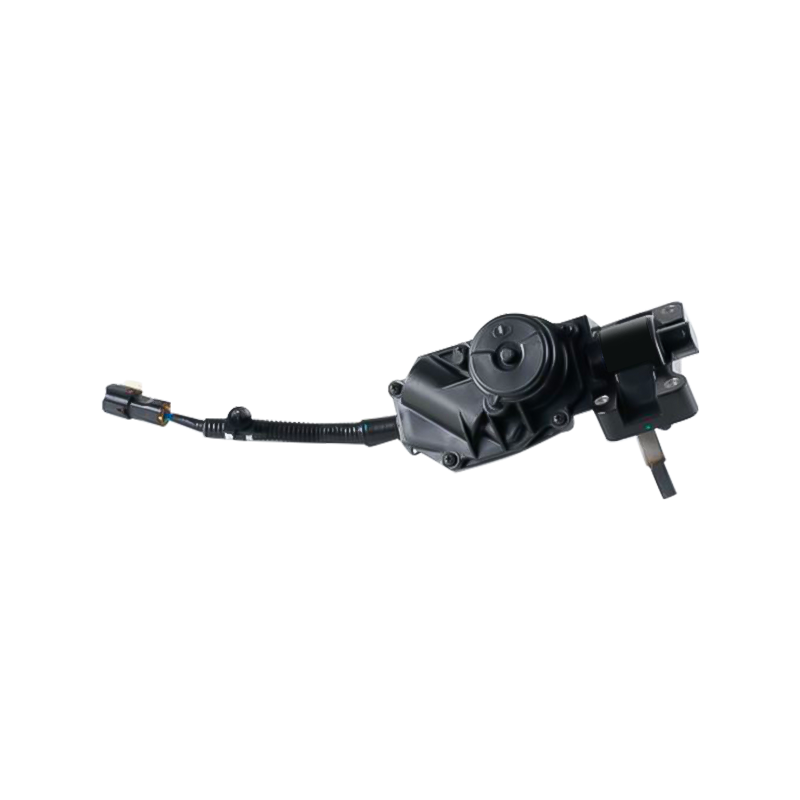
Power Voltage 12V DC, 35W No-load Current Low speed ≦1.5A, high speed ≦2.0A No-loa...
View MoreA Steam Pump Motor is a critical component in driving the flow of fluids in steam-based systems. Two key performance metrics for any pump system are head and flow rate. Head refers to the height or pressure the pump can generate, while flow rate measures the volume of fluid moved per unit of time. Understanding how these metrics relate to the motor and the pump it drives is essential for selecting the right motor-pump combination and ensuring efficient system operation.
The head generated by a steam pump depends largely on the motor’s torque and speed. A motor capable of producing higher torque can overcome greater system resistance, which translates into higher head. However, motor power alone does not determine the exact head; pump design parameters such as impeller diameter, blade geometry, and rotational speed also play significant roles. Matching a Steam Pump Motor with an appropriately designed pump ensures the desired head is achieved without overloading the motor or causing inefficiencies.
Flow rate is directly influenced by both the motor speed and the pump design. Increasing the rotational speed of the motor raises the flow rate to the pump’s hydraulic limits. Similarly, larger or multi-stage impellers can move more fluid, enhancing the system’s overall capacity. It is important to note that excessively increasing motor speed beyond design specifications may cause cavitation, vibration, or premature wear, reducing the long-term reliability of the Steam Pump Motor.
The actual head and flow achieved in operation depend not only on the motor and pump design but also on system resistance. Piping length, diameter, and friction losses, as well as any valves or fittings, affect the pump’s ability to generate the desired pressure and flow. Engineers must calculate the total dynamic head (TDH) for the system to ensure the motor can deliver the required performance without operating under excessive strain.
Efficiency is a key factor in evaluating how effectively a Steam Pump Motor converts electrical energy into hydraulic energy. A well-matched motor and pump operate close to their efficiency point (BEP), reducing energy losses and heat generation. Deviations from BEP due to mismatched flow or head requirements can cause higher energy consumption, mechanical stress, and reduced motor life. Selecting the right motor-pump combination for expected operational conditions is therefore critical for long-term performance and cost-effectiveness.
Manufacturers provide pump performance curves showing the relationship between head, flow, and power consumption for various motor speeds. By analyzing these curves, engineers can select a Steam Pump Motor that meets both the head and flow requirements while operating efficiently. Understanding these curves also helps in troubleshooting performance issues, optimizing system design, and planning maintenance schedules.
The head and flow performance of a Steam Pump Motor-driven system is determined by a combination of motor torque, pump design, and system resistance. Proper selection and coordination between the motor and pump ensure that the desired fluid pressure and volume are achieved efficiently and reliably. By considering these factors and referencing performance curves, engineers can optimize system operation, prolong motor life, and maintain consistent performance under varying load conditions.
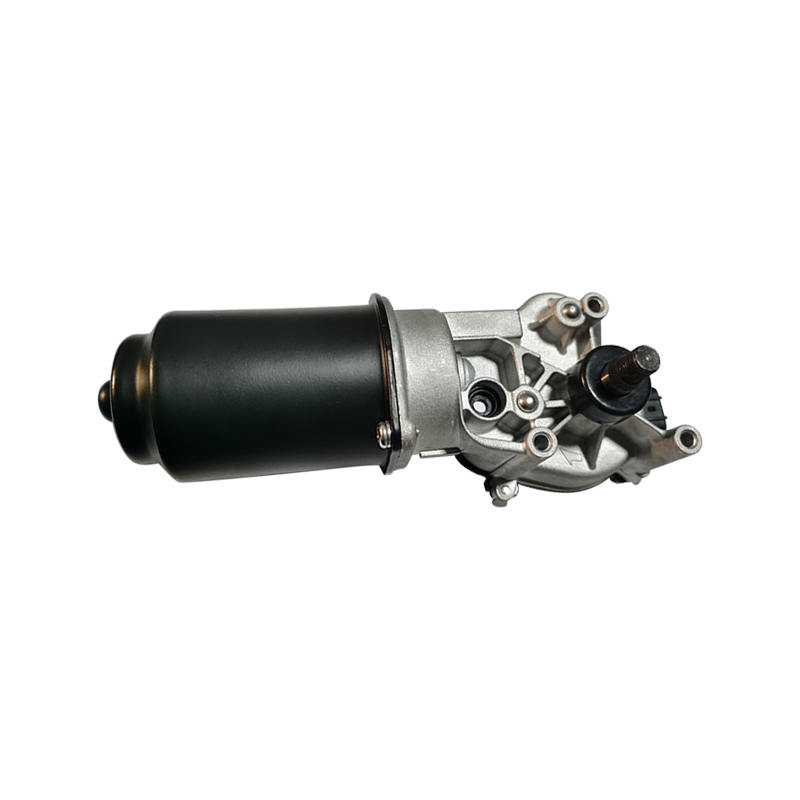
Power Voltage 12V DC, 35W No-load Current Low speed ≦1.5A, high speed ≦2.0A No-loa...
View More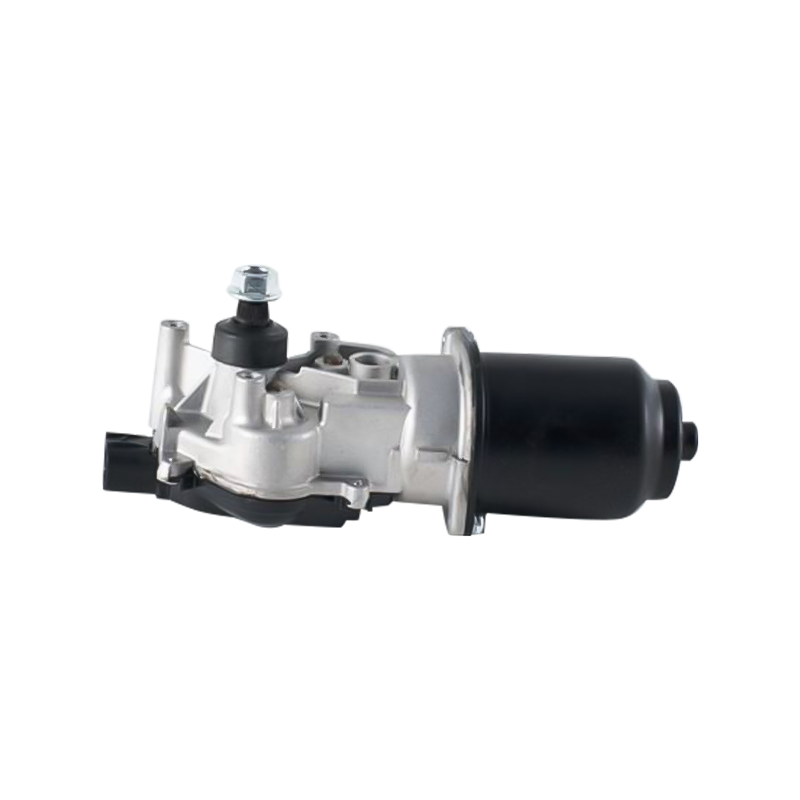
Power Voltage 12V DC, 35W No-load Current Low speed ≦1.5A, high speed ≦2.0A No-loa...
View More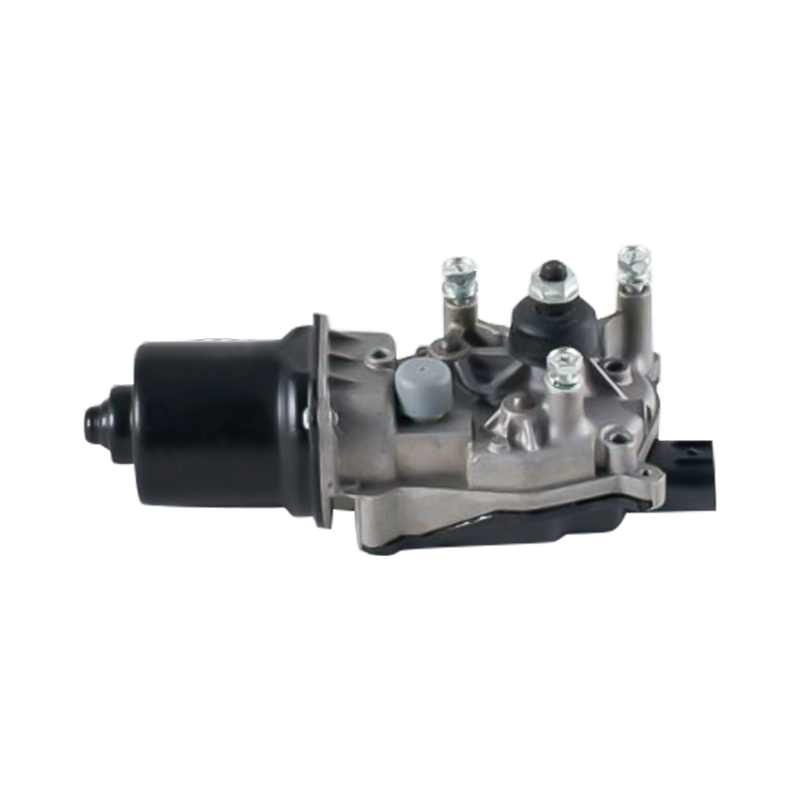
Power Voltage 12V DC, 35W No-load Current Low speed ≦1.5A, high speed ≦2.0A No-loa...
View More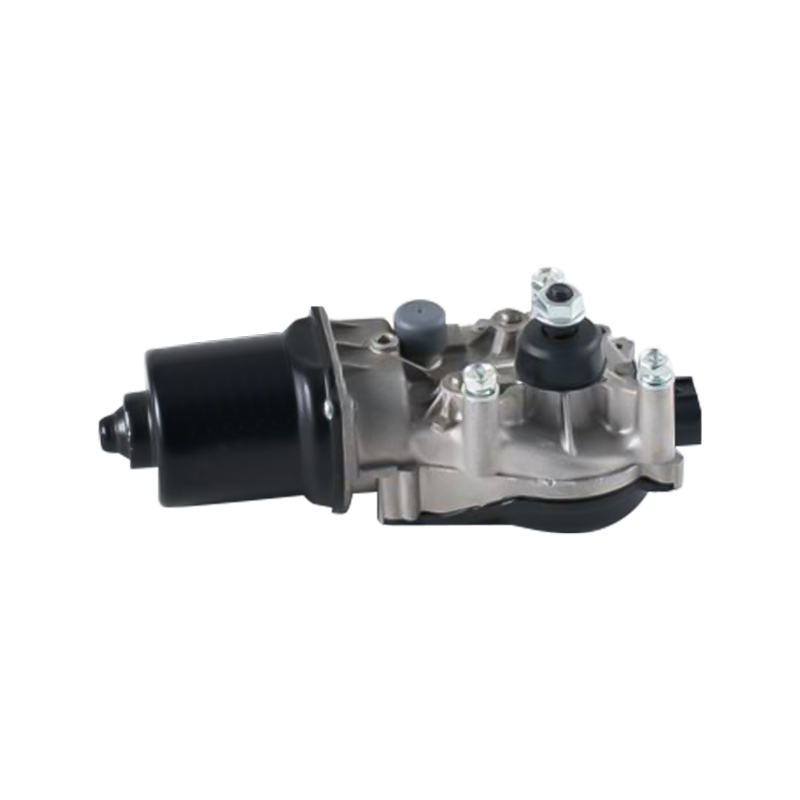
Power Voltage 12V DC, 35W No-load Current Low speed ≦1.5A, high speed ≦2.0A No-loa...
View More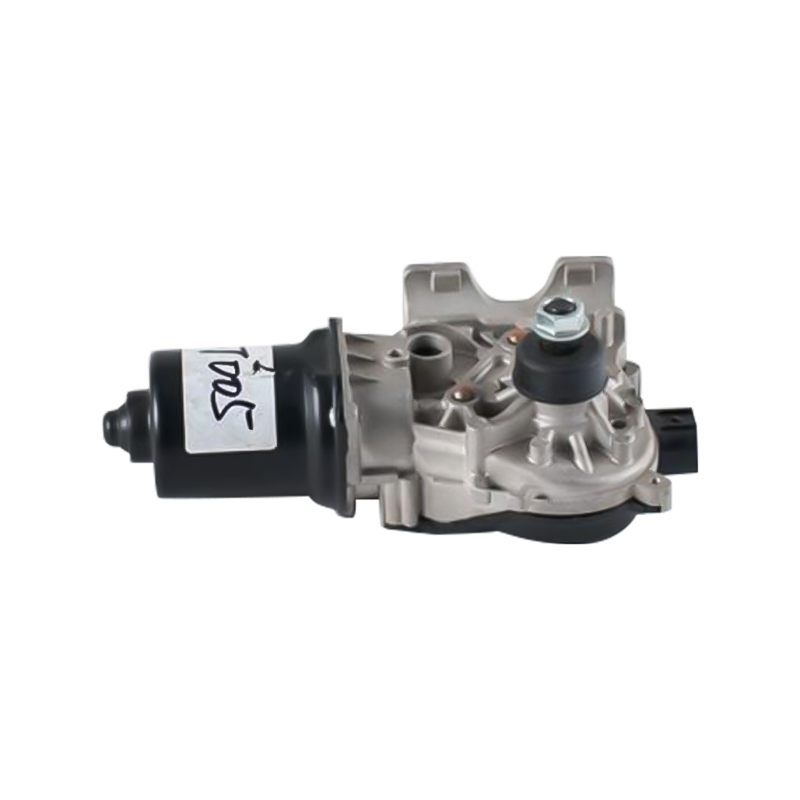
Power Voltage 12V DC, 35W No-load Current Low speed ≦1.5A, high speed ≦2.0A No-loa...
View More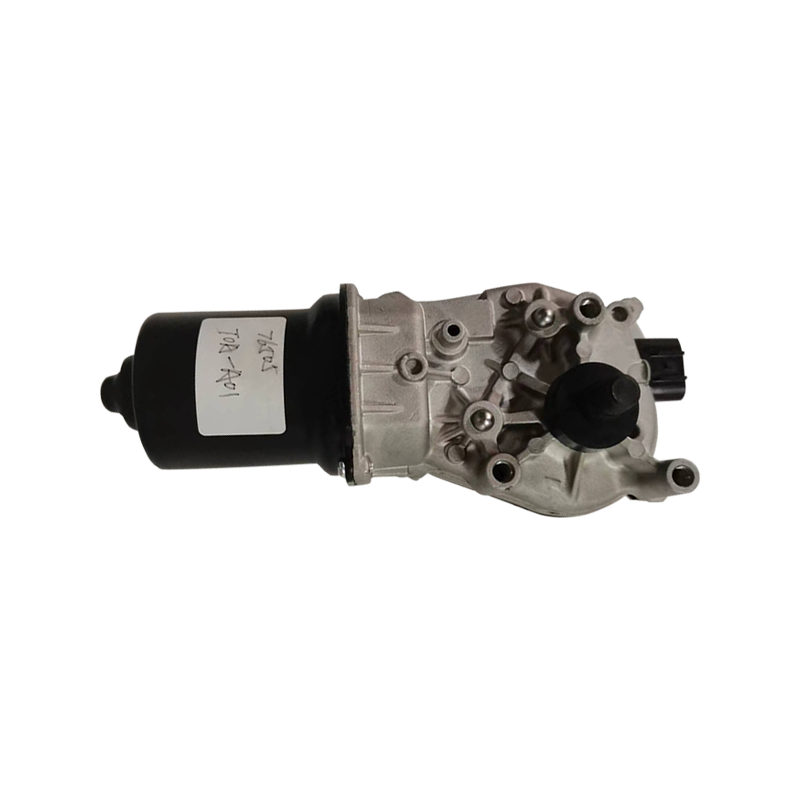
Power Voltage 12V DC, 35W No-load Current Low speed ≦1.5A, high speed ≦2.0A No-loa...
View More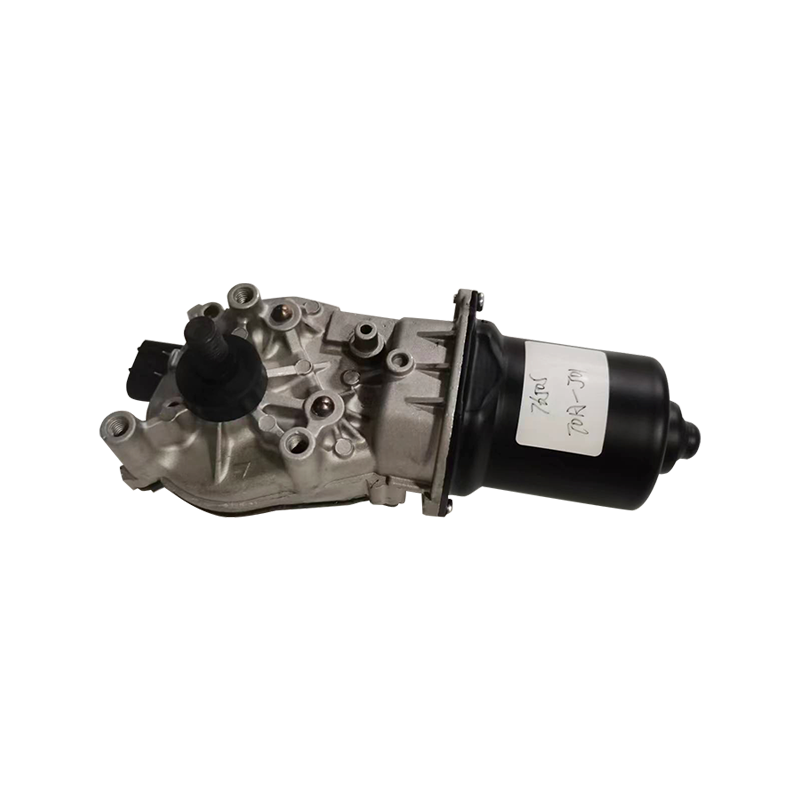
Power Voltage 12V DC, 35W No-load Current Low speed ≦1.5A, high speed ≦2.0A No-loa...
View More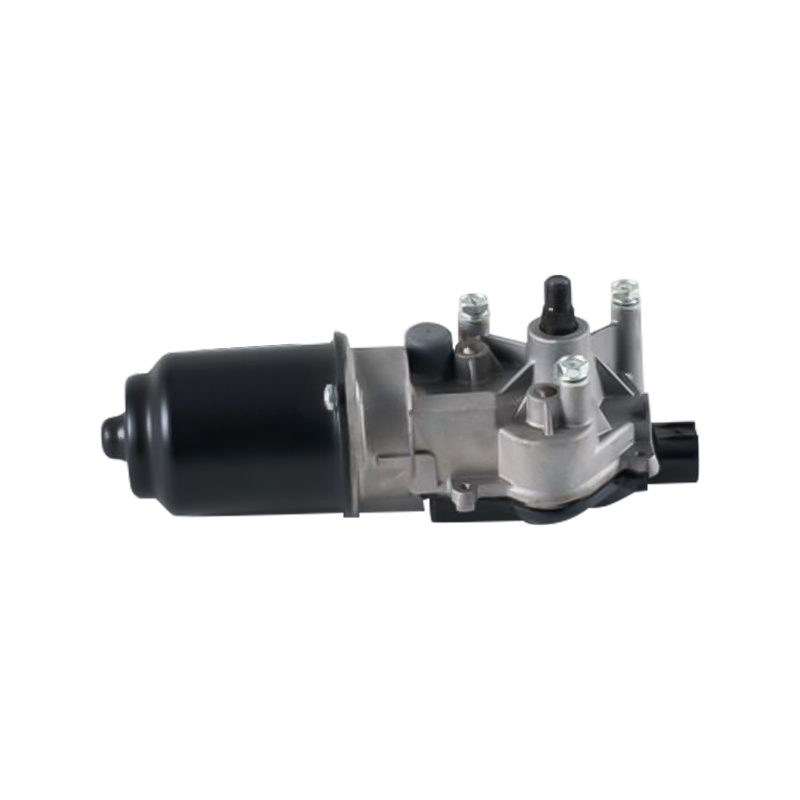
Power Voltage 12V DC, 35W No-load Current Low speed ≦1.5A, high speed ≦2.0A No-loa...
View More