
 LANGUAGE
  English
 Türk
Türk 中文简体
中文简体BT001 Honda Accord Windshield Wiper Motor
Power Voltage 12V DC, 35W No-load Current Low speed ≦1.5A, high speed ≦2.0A No-loa...
View MoreOperating a Steam Pump Motor in a high-temperature and high-pressure steam environment presents unique challenges that can affect performance, reliability, and longevity. Elevated temperatures can accelerate wear on bearings, insulation, and seals, while high steam pressure can increase the risk of leaks and mechanical stress on motor housings and connected piping. Additionally, continuous exposure to these extreme conditions can reduce the efficiency of lubrication and contribute to premature component failure. Understanding these risks is the one step in developing effective protection strategies that ensure safe and efficient operation.
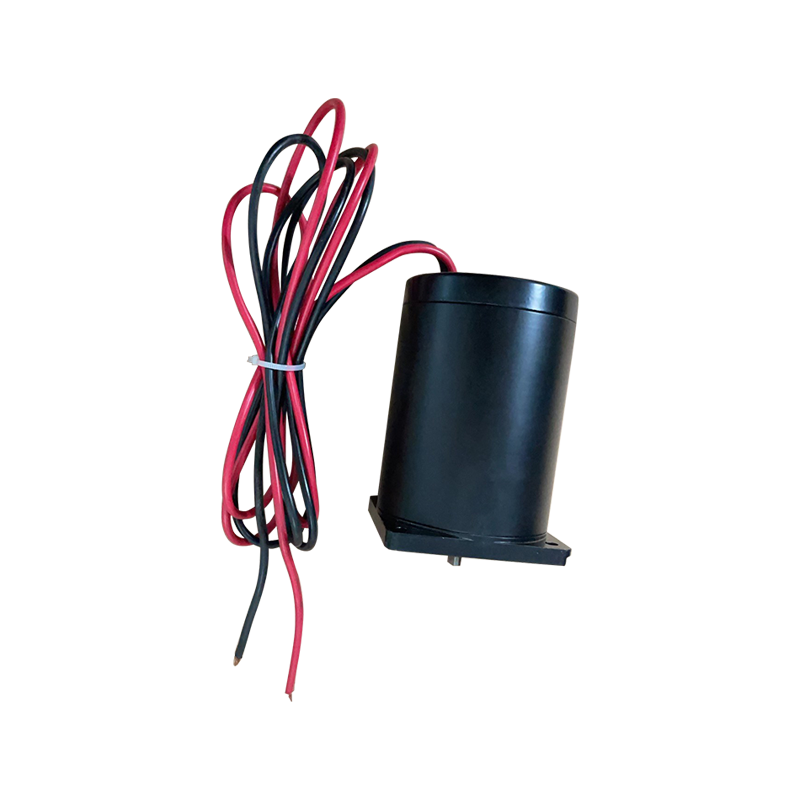
Material selection is critical when protecting a motor in extreme environments. Components such as bearings, seals, and insulation must be rated for high temperatures and capable of withstanding steam pressure without degradation. Stainless steel or high-temperature alloys are often used for housings and shafts to prevent corrosion and maintain structural integrity. High-grade elastomers and mechanical seals designed for steam applications help maintain a reliable barrier against leakage. Using components specifically engineered for high-temperature service ensures that the motor can operate safely without frequent maintenance or unexpected downtime.
Thermal protection is essential for preventing overheating and reducing the risk of motor failure. Temperature sensors can monitor critical points such as windings, bearings, and housing surfaces, providing real-time feedback for early warning of excessive heat. Incorporating automatic shutdown systems or alarms helps prevent damage by interrupting operation when temperature thresholds are exceeded. In some cases, external cooling mechanisms, such as water jackets or air circulation systems, may be employed to dissipate heat and maintain stable operating conditions. These measures collectively help extend the service life of the motor while ensuring reliable performance in demanding conditions.
Maintaining effective sealing under high-pressure steam is crucial to prevent leaks and protect internal motor components. Properly installed mechanical seals or labyrinth seals offer good resistance to steam penetration and maintain pressure containment. Regular inspection and maintenance of seals helps identify wear or deformation before it compromises performance. Additionally, using seal materials compatible with both high temperature and the chemical properties of steam enhances durability and reduces the likelihood of leakage over time.
Ongoing monitoring and proactive maintenance are vital for the longevity of a Steam Pump Motor in harsh environments. Regular inspections of lubrication, bearings, and electrical connections help detect early signs of wear or stress. Implementing a predictive maintenance schedule, supported by condition monitoring technologies, ensures that potential issues are addressed before they escalate into failures. Proper documentation of operating conditions and maintenance activities allows operators to refine protection strategies and continuously improve reliability under high-temperature, high-pressure conditions.
Protecting a Steam Pump Motor in high-temperature and high-pressure steam environments requires a combination of material selection, thermal management, seal integrity, and proactive monitoring. By understanding the specific challenges posed by extreme conditions and implementing targeted protective strategies, operators can enhance motor reliability, prevent premature failure, and maintain efficient operation. A comprehensive approach that integrates design considerations with regular maintenance ensures that the motor continues to perform safely and effectively in demanding industrial applications.
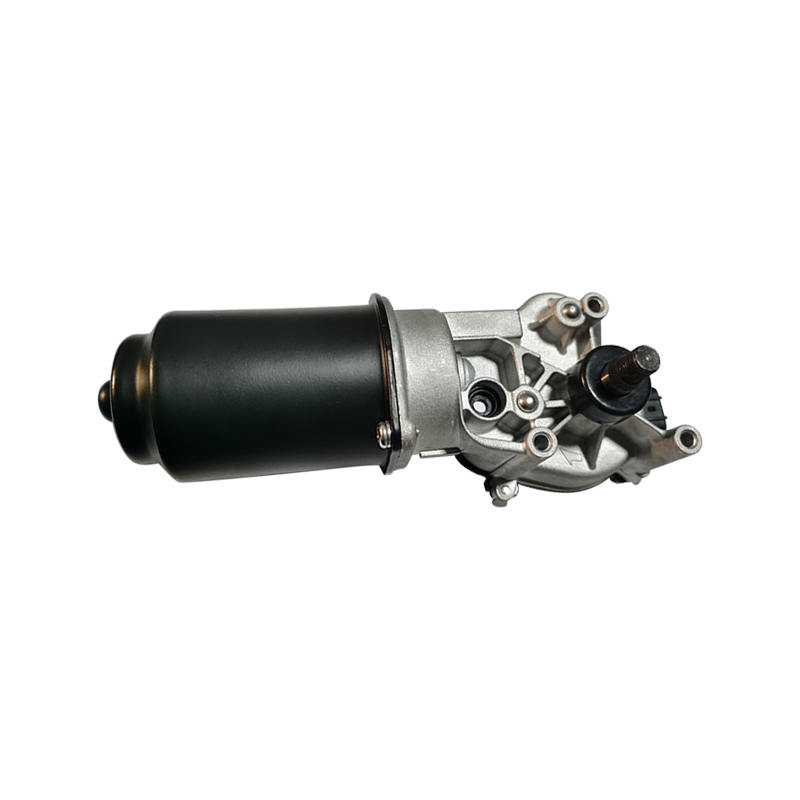
Power Voltage 12V DC, 35W No-load Current Low speed ≦1.5A, high speed ≦2.0A No-loa...
View More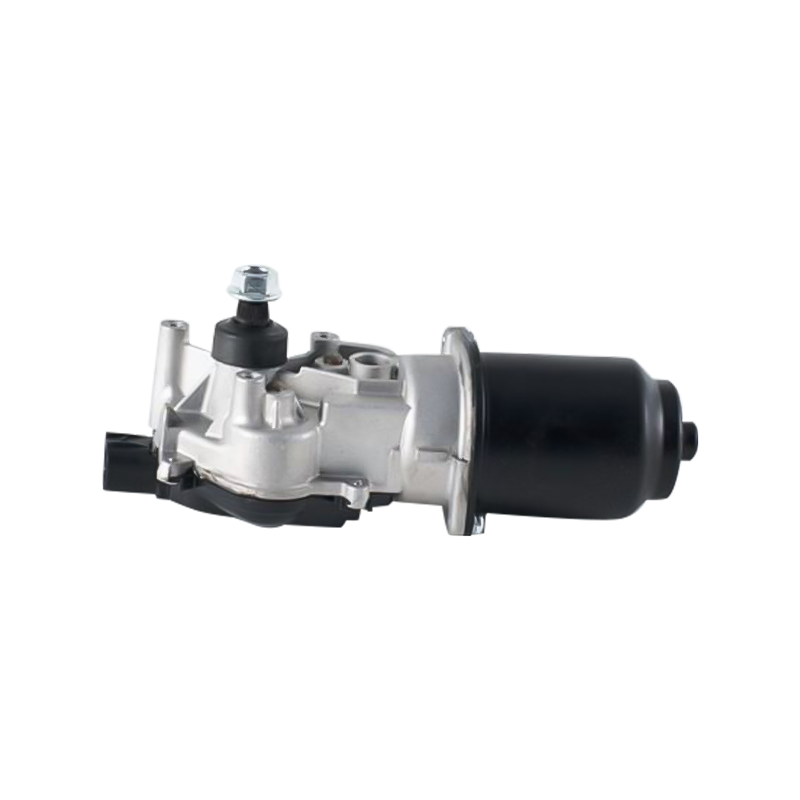
Power Voltage 12V DC, 35W No-load Current Low speed ≦1.5A, high speed ≦2.0A No-loa...
View More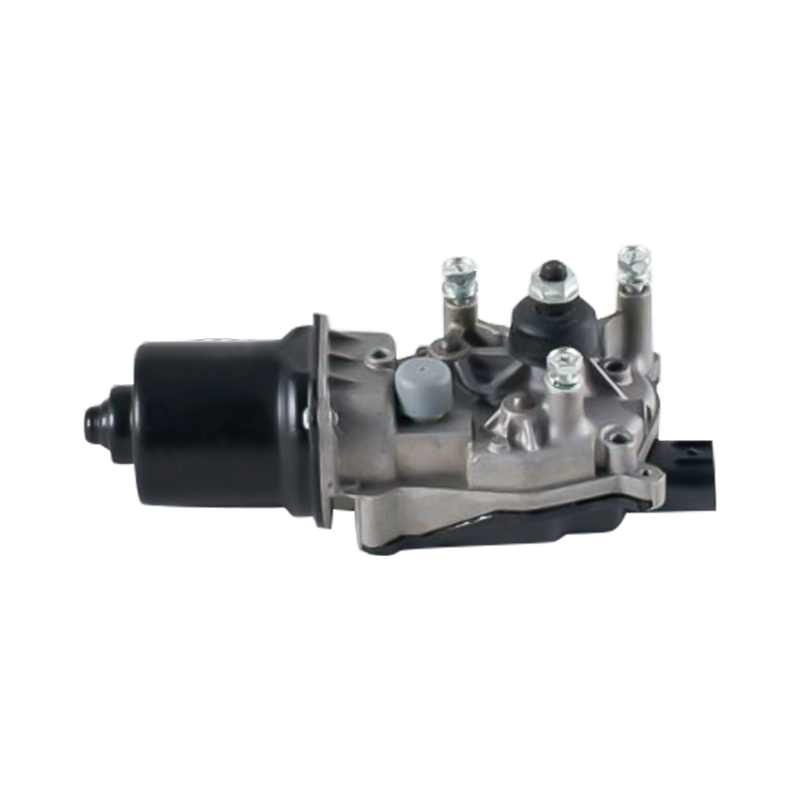
Power Voltage 12V DC, 35W No-load Current Low speed ≦1.5A, high speed ≦2.0A No-loa...
View More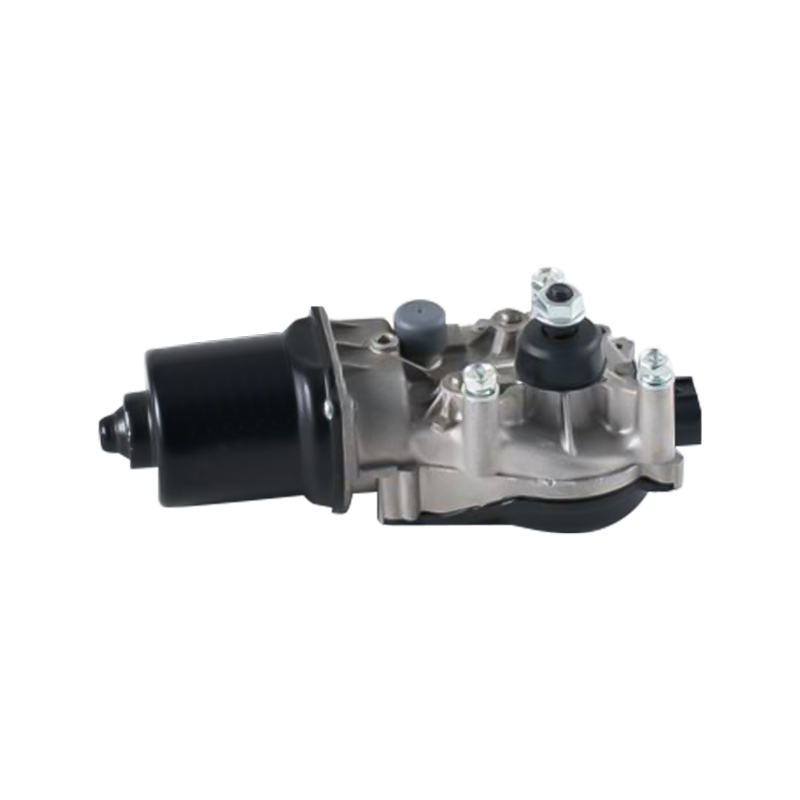
Power Voltage 12V DC, 35W No-load Current Low speed ≦1.5A, high speed ≦2.0A No-loa...
View More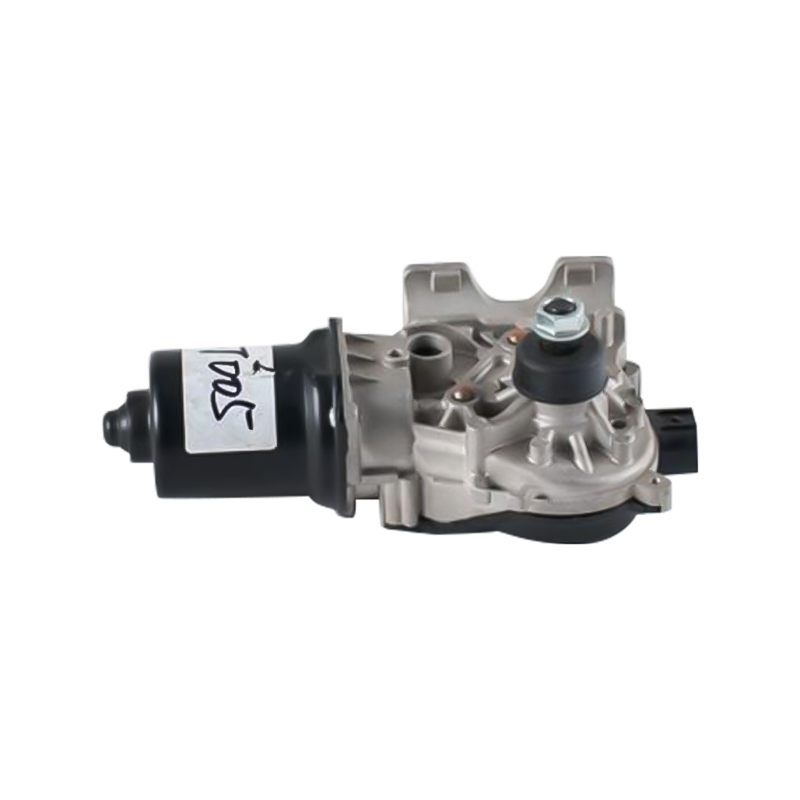
Power Voltage 12V DC, 35W No-load Current Low speed ≦1.5A, high speed ≦2.0A No-loa...
View More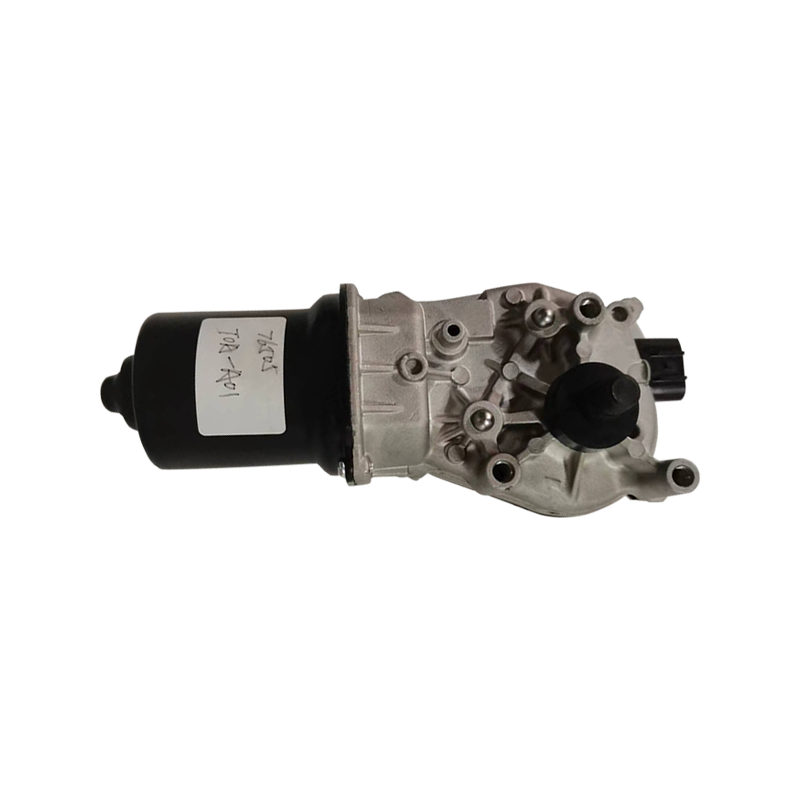
Power Voltage 12V DC, 35W No-load Current Low speed ≦1.5A, high speed ≦2.0A No-loa...
View More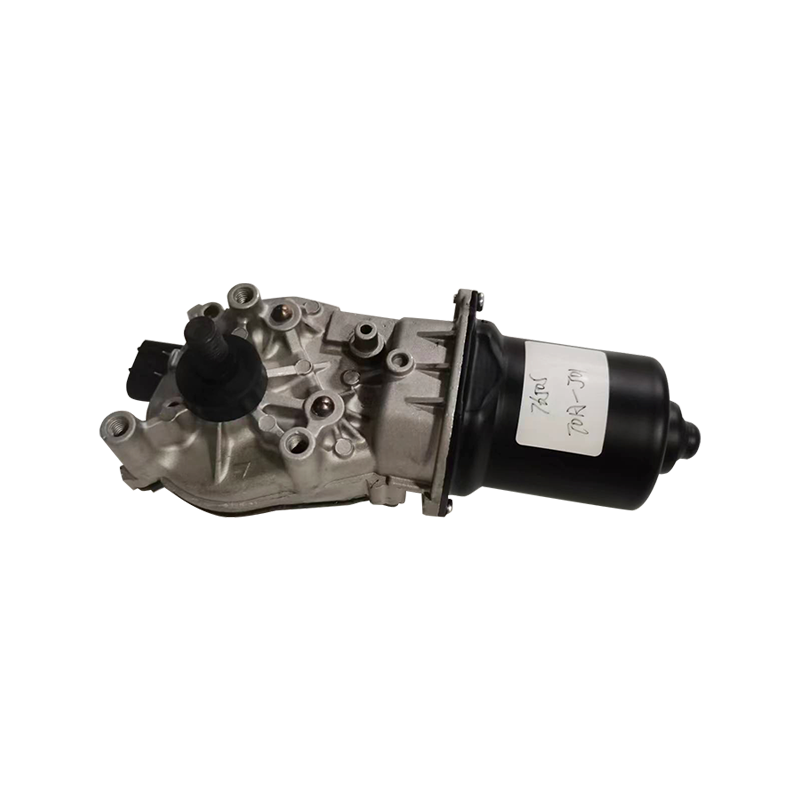
Power Voltage 12V DC, 35W No-load Current Low speed ≦1.5A, high speed ≦2.0A No-loa...
View More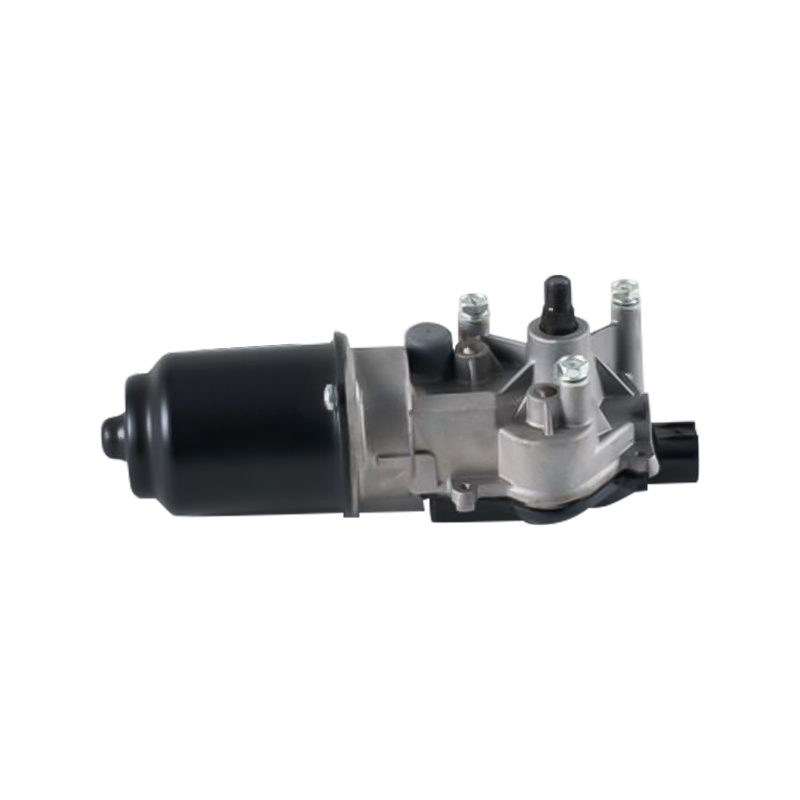
Power Voltage 12V DC, 35W No-load Current Low speed ≦1.5A, high speed ≦2.0A No-loa...
View More