
 LANGUAGE
  English
 Türk
Türk 中文简体
中文简体BT001 Honda Accord Windshield Wiper Motor
Power Voltage 12V DC, 35W No-load Current Low speed ≦1.5A, high speed ≦2.0A No-loa...
View MoreA Steam Pump Motor generates heat during operation due to electrical losses in windings, friction in bearings, and mechanical resistance from the coupled pump. Excessive heat can reduce efficiency, accelerate insulation degradation, and shorten the motor’s service life. Effective heat management is therefore crucial for maintaining reliable performance, especially in continuous or high-load applications. Enhancing cooling efficiency involves both design considerations and operational strategies to ensure the motor remains within safe temperature limits.
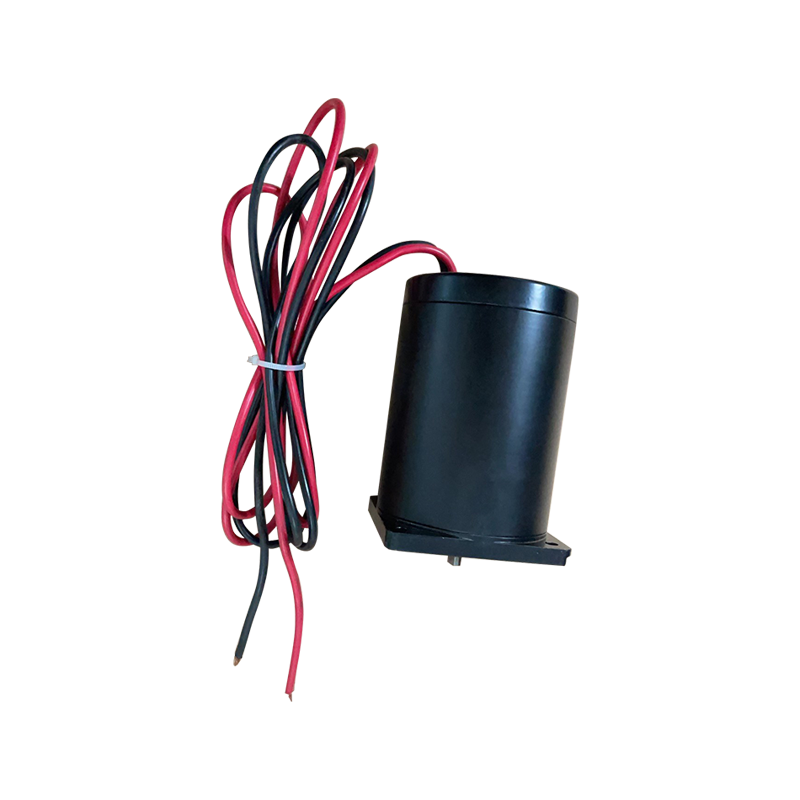
One of the simple and effective ways to improve motor cooling is by optimizing airflow around the housing. Natural or forced ventilation helps dissipate heat generated inside the motor. Installing external fans or ensuring unobstructed airflow around the motor casing can significantly lower operating temperatures. Some motors include built-in fan blades that enhance internal circulation, directing warm air away from sensitive components. Properly positioned vents and airflow channels further facilitate heat transfer, allowing the motor to maintain stable operation even under high load.
The choice of materials in motor construction also affects thermal performance. Motors with aluminum or copper housings conduct heat more efficiently than those made of standard steel or plastic. Conductive housings allow internal heat to transfer quickly to the exterior surface, where it can dissipate into the surrounding environment. Additionally, using high-quality copper windings with low resistance reduces I²R losses, which lowers internal heat generation. Selecting materials with high thermal conductivity is therefore a key strategy for enhancing Steam Pump Motor cooling.
For high-power or continuously operating motors, liquid cooling provides an effective method of heat management. Water jackets or closed-loop cooling systems circulate coolant around the motor casing, absorbing heat and transferring it to an external radiator. This approach maintains consistent operating temperatures even under demanding conditions, preventing thermal stress on insulation and bearings. Liquid cooling is particularly useful in compact installations where natural ventilation is insufficient or where high ambient temperatures limit air cooling efficiency.
While cooling is important, protecting the motor from external heat sources is equally crucial. Heat shields or insulating barriers prevent radiant heat from nearby steam pipes or machinery from increasing motor temperature. Proper insulation reduces the additional thermal load, allowing the motor’s own cooling system to operate more efficiently. Combining heat shielding with effective airflow and material selection results in a comprehensive approach to temperature management.
Regular monitoring of motor temperature ensures that cooling strategies are effective. Installing temperature sensors, thermal imaging, or vibration analysis equipment helps detect hot spots, bearing overheating, or airflow blockages early. Routine maintenance, including cleaning cooling fins, checking fan operation, and ensuring unobstructed airflow, preserves cooling efficiency over time. Preventive maintenance reduces the risk of unexpected motor failures due to overheating.
Enhancing the cooling performance of a Steam Pump Motor requires a combination of design choices, installation strategies, and proactive maintenance. Optimized airflow, high-conductivity materials, liquid cooling options, heat shielding, and continuous monitoring collectively ensure stable operation and long-term reliability. By implementing these measures, engineers can reduce heat-related losses, extend motor lifespan, and maintain suitable performance even under demanding operating conditions.
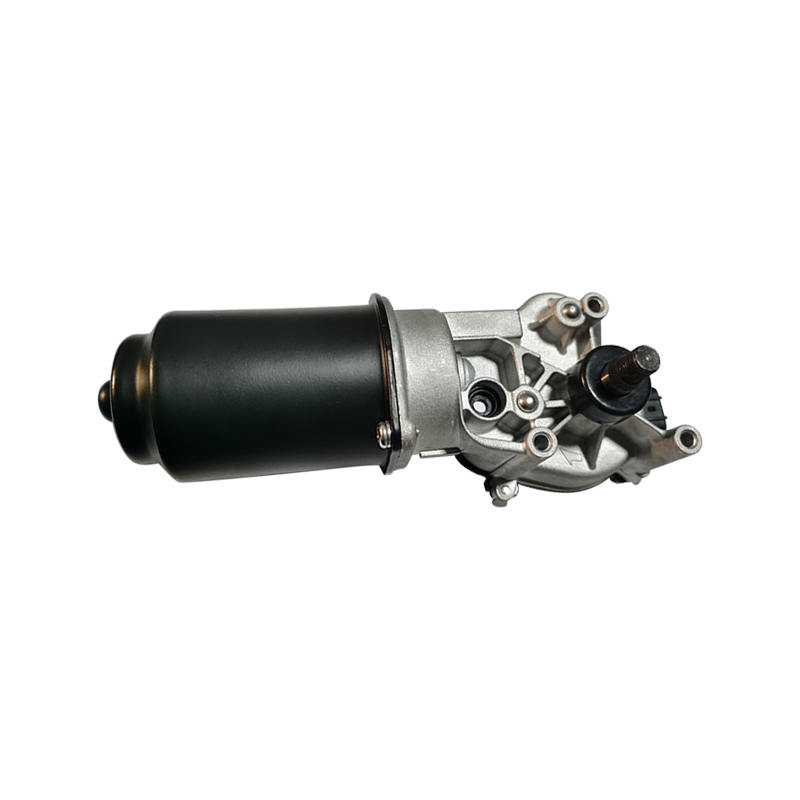
Power Voltage 12V DC, 35W No-load Current Low speed ≦1.5A, high speed ≦2.0A No-loa...
View More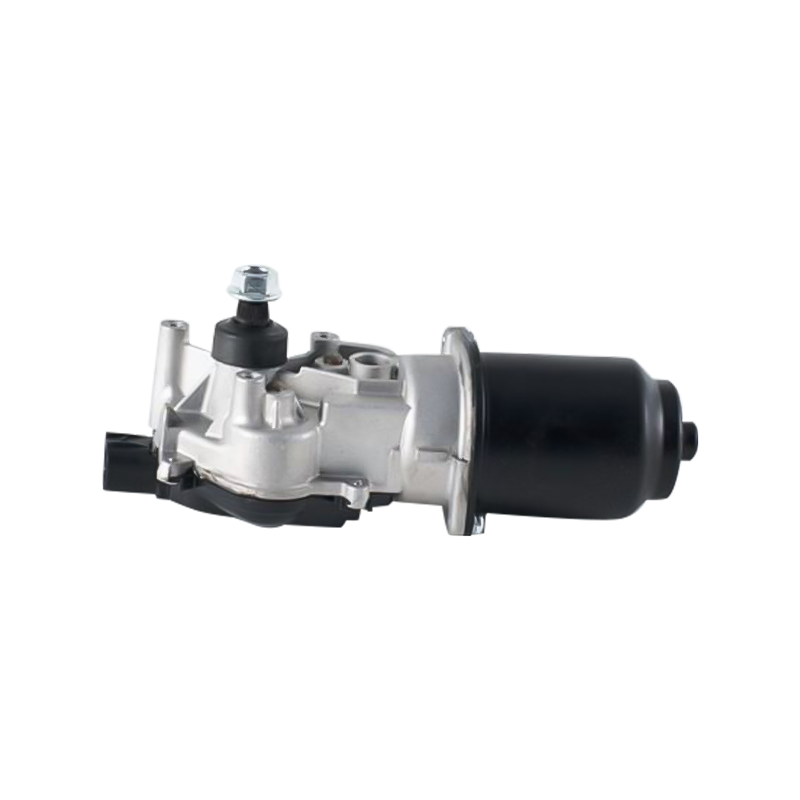
Power Voltage 12V DC, 35W No-load Current Low speed ≦1.5A, high speed ≦2.0A No-loa...
View More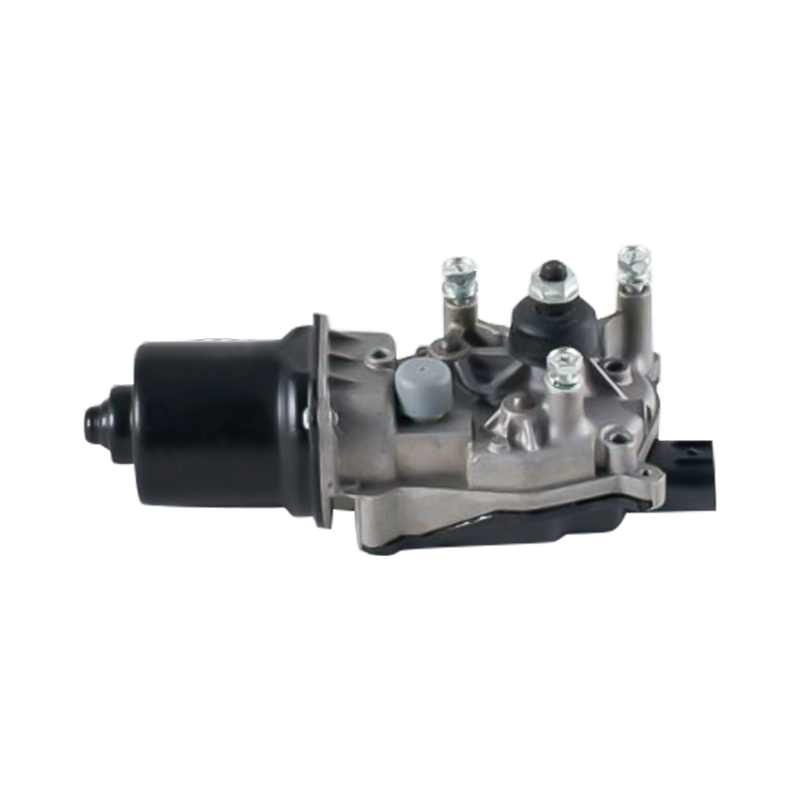
Power Voltage 12V DC, 35W No-load Current Low speed ≦1.5A, high speed ≦2.0A No-loa...
View More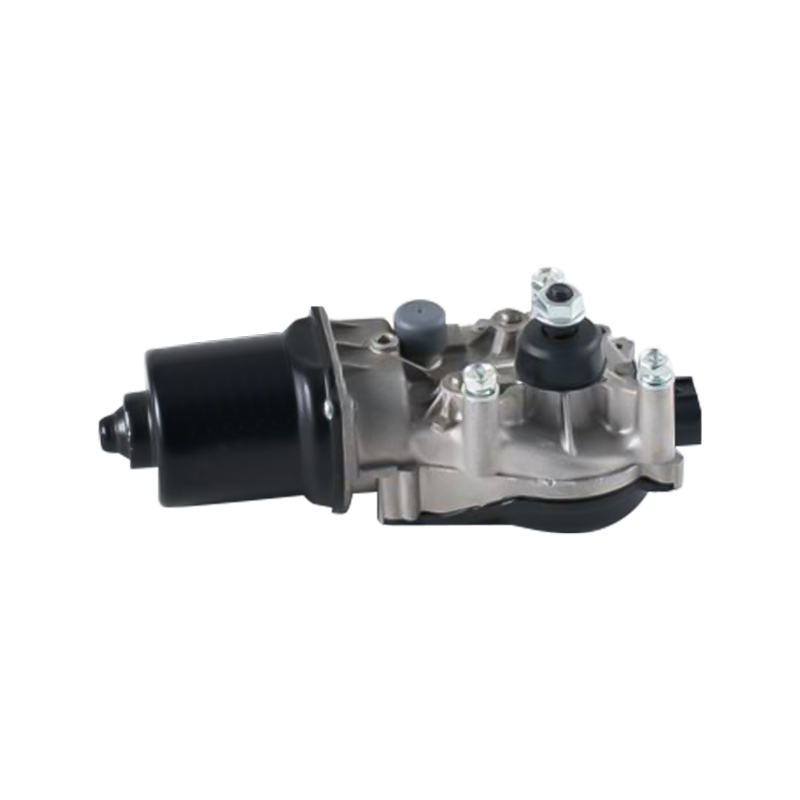
Power Voltage 12V DC, 35W No-load Current Low speed ≦1.5A, high speed ≦2.0A No-loa...
View More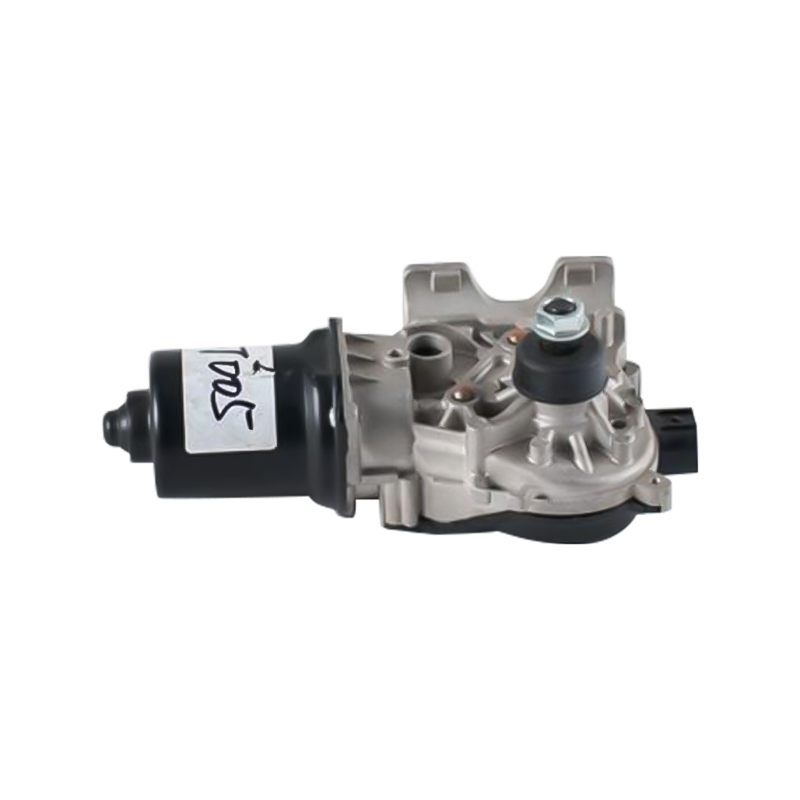
Power Voltage 12V DC, 35W No-load Current Low speed ≦1.5A, high speed ≦2.0A No-loa...
View More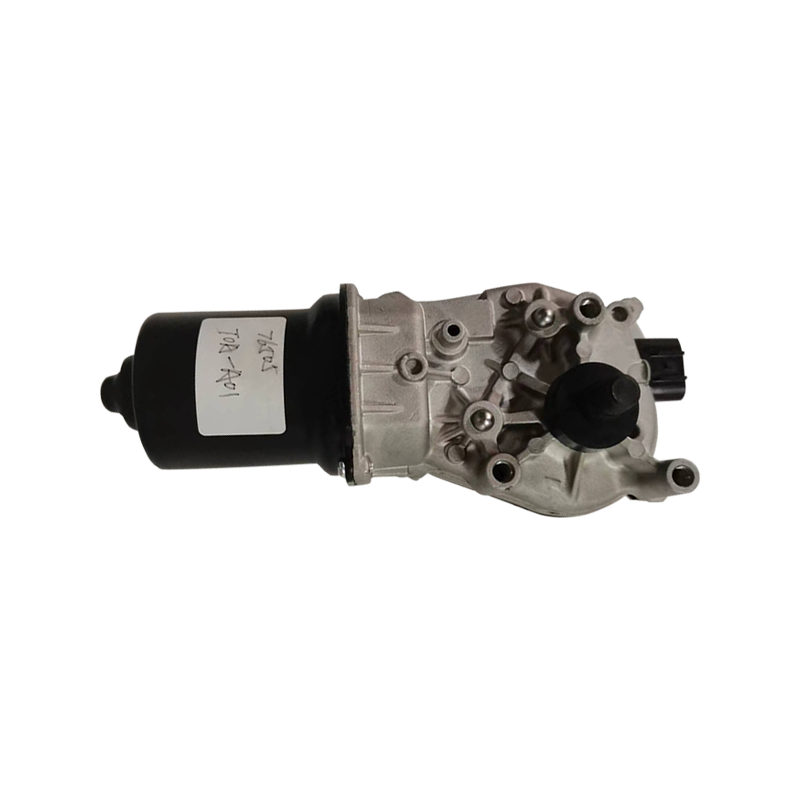
Power Voltage 12V DC, 35W No-load Current Low speed ≦1.5A, high speed ≦2.0A No-loa...
View More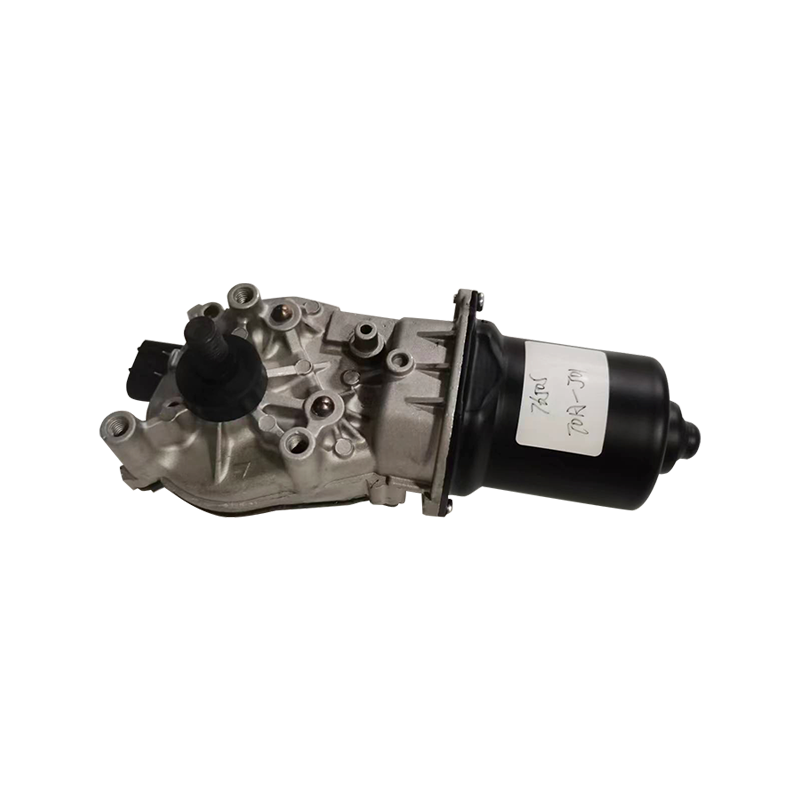
Power Voltage 12V DC, 35W No-load Current Low speed ≦1.5A, high speed ≦2.0A No-loa...
View More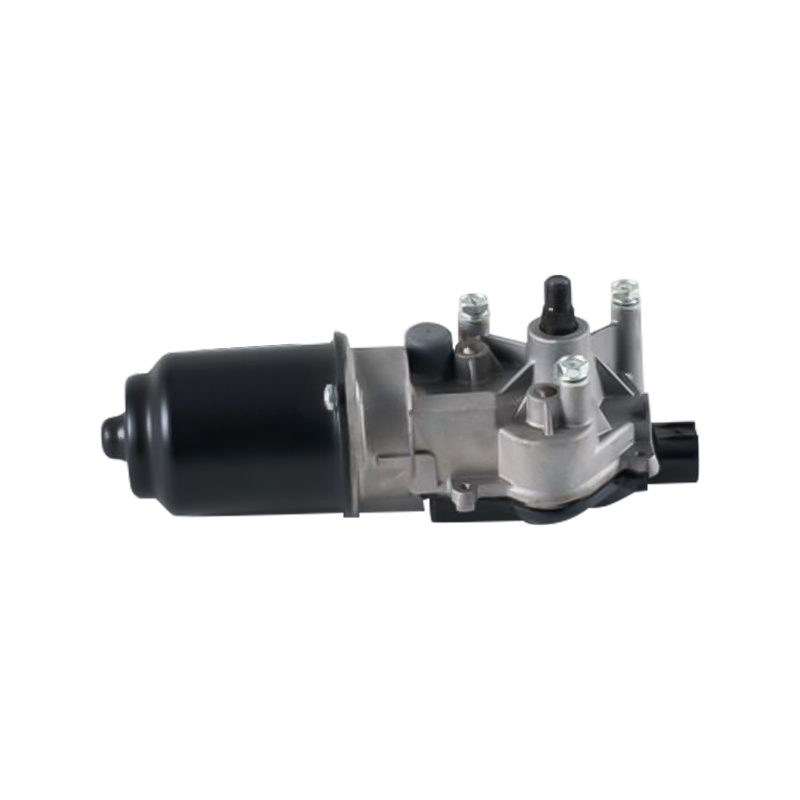
Power Voltage 12V DC, 35W No-load Current Low speed ≦1.5A, high speed ≦2.0A No-loa...
View More