
 LANGUAGE
  English
 Türk
Türk 中文简体
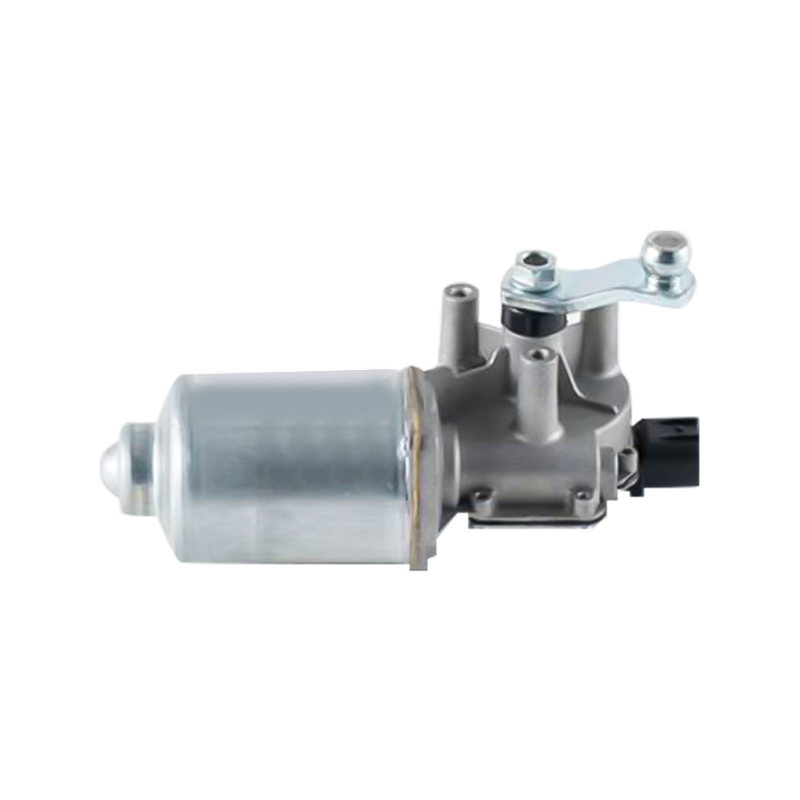
中文简体BT001 Honda Accord Windshield Wiper Motor
Power Voltage 12V DC, 35W No-load Current Low speed ≦1.5A, high speed ≦2.0A No-loa...
View MoreIn modern industrial applications, protection mechanisms play a vital role in ensuring the reliability, safety, and long service life of DC motors. From the perspective of a DC Motor Factory, thermal protection and overload protection are not optional features but essential design considerations. DC motors often operate under varying loads, fluctuating ambient temperatures, and continuous duty cycles, all of which can expose them to overheating or excessive current conditions. Without effective protection, these stresses can cause insulation breakdown, bearing damage, or even catastrophic motor failure. Therefore, integrating robust protection mechanisms is a fundamental responsibility during the manufacturing and design process.
Thermal stress is one of the common threats to DC motor performance. Heat is generated through copper losses in the windings, mechanical friction, and inefficiencies during energy conversion. When a motor operates beyond its rated temperature, the insulation system begins to degrade, reducing dielectric strength and shortening motor lifespan. A DC Motor Factory must account for both internal heat generation and external environmental factors, such as high ambient temperatures or restricted ventilation. Understanding how heat accumulates and dissipates within the motor structure allows manufacturers to design effective thermal management strategies that protect critical components.
Thermal protection mechanisms are designed to detect excessive temperature and respond before damage occurs. Common solutions include embedded temperature sensors, such as thermistors or thermal switches, placed near the windings or bearings. These devices monitor temperature in real time and trigger alarms or shut down the motor when predefined limits are exceeded. Some designs rely on thermal modeling during development to predict heat distribution and optimize cooling paths. Enhanced ventilation, heat-resistant insulation materials, and improved housing designs all contribute to better thermal performance. By combining monitoring and structural design, manufacturers ensure that motors remain within safe operating temperatures under normal and abnormal conditions.
Overload protection addresses a different but equally critical risk. Overloading occurs when a motor is subjected to torque or current levels beyond its rated capacity, often due to mechanical jams, sudden load increases, or improper system design. Excessive current causes rapid heating and can damage windings, commutators, and power supply components. In severe cases, overload conditions may cause permanent deformation or electrical short circuits. Recognizing these risks, a DC Motor Factory must design motors that can tolerate short-term overloads while providing reliable protection against prolonged excessive current.
Overload protection is typically achieved through electrical and electronic methods. Current sensors and overload relays are commonly used to monitor the motor’s operating current and disconnect power when thresholds are exceeded. Advanced controllers can distinguish between temporary startup currents and sustained overload conditions, reducing nuisance trips while maintaining safety. Some motors integrate electronic protection modules that combine overload detection with thermal feedback, creating a coordinated response to abnormal operating conditions. These systems help prevent damage while allowing the motor to operate efficiently under variable load demands.
Effective thermal and overload protection requires careful integration during the manufacturing process. Protection components must be selected for accuracy, reliability, and compatibility with the motor’s electrical characteristics. Testing under simulated overload and high-temperature conditions is essential to validate performance and ensure compliance with industry standards. Manufacturers also provide clear documentation and guidelines to help users correctly install and operate motors within safe limits. This holistic approach strengthens product reliability and builds long-term customer trust.
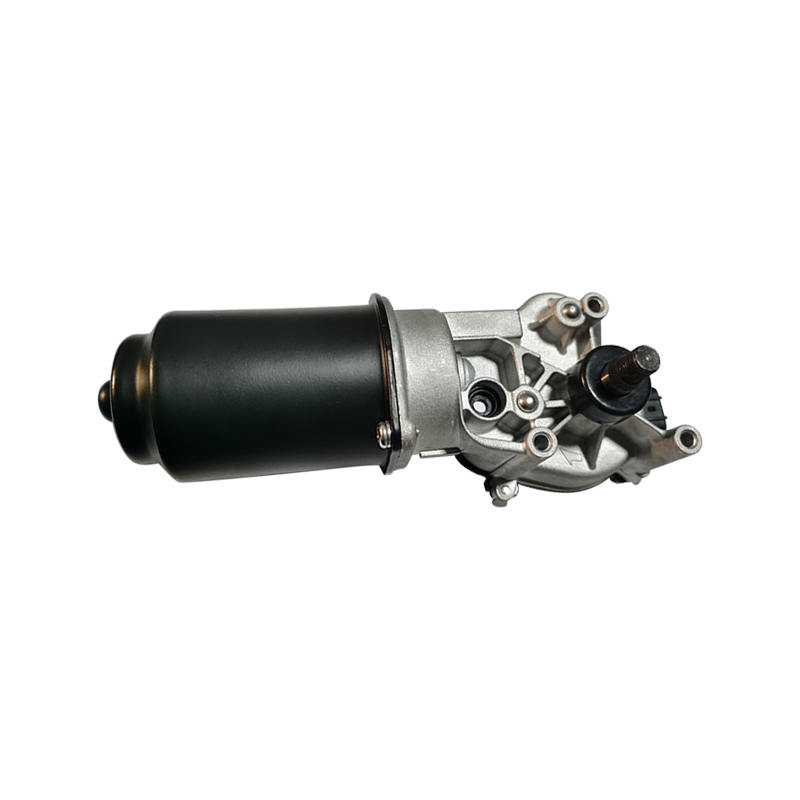
Power Voltage 12V DC, 35W No-load Current Low speed ≦1.5A, high speed ≦2.0A No-loa...
View More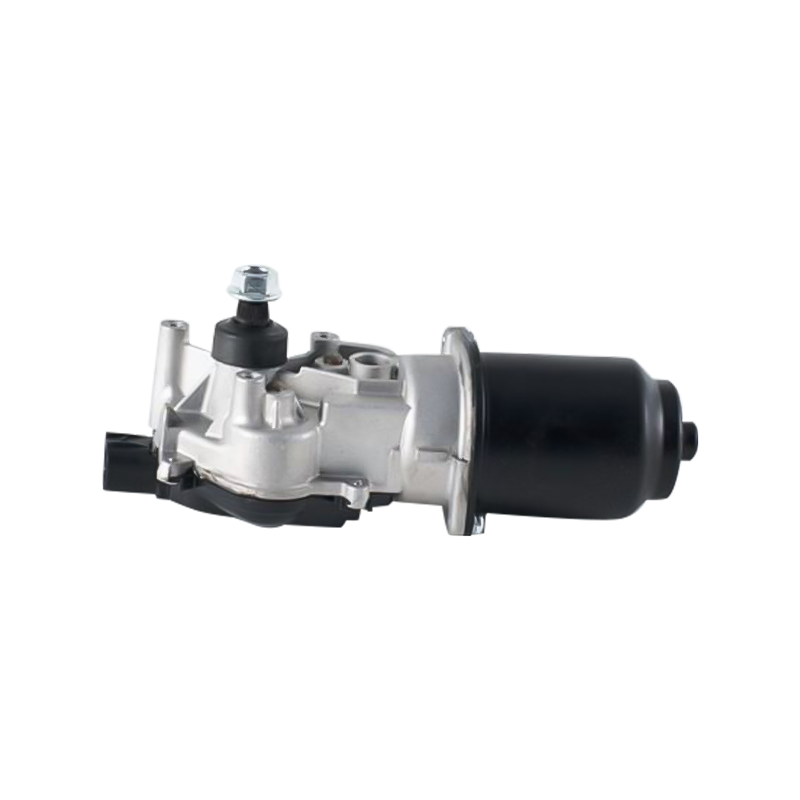
Power Voltage 12V DC, 35W No-load Current Low speed ≦1.5A, high speed ≦2.0A No-loa...
View More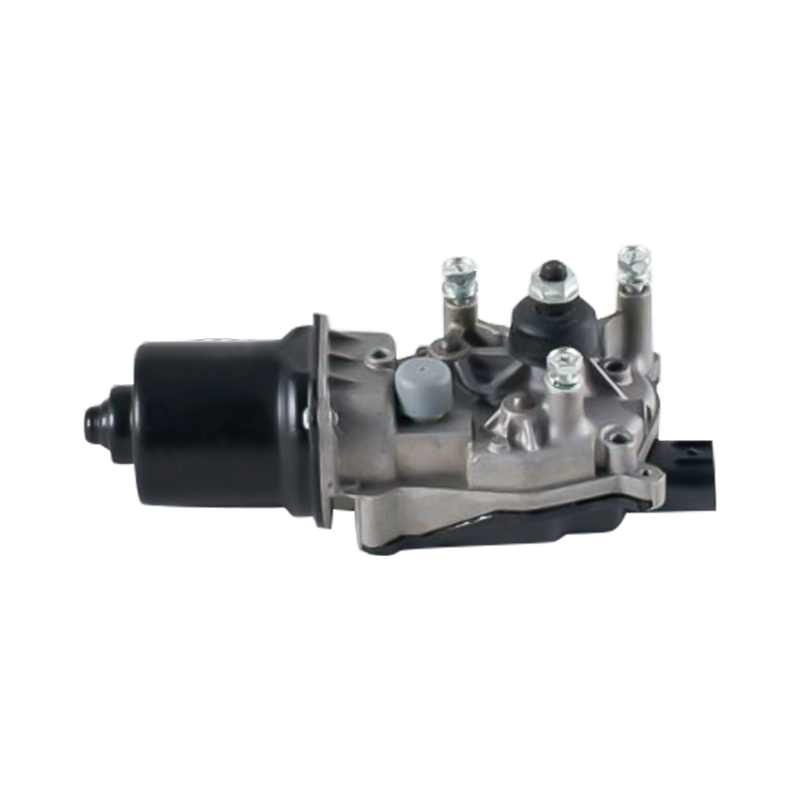
Power Voltage 12V DC, 35W No-load Current Low speed ≦1.5A, high speed ≦2.0A No-loa...
View More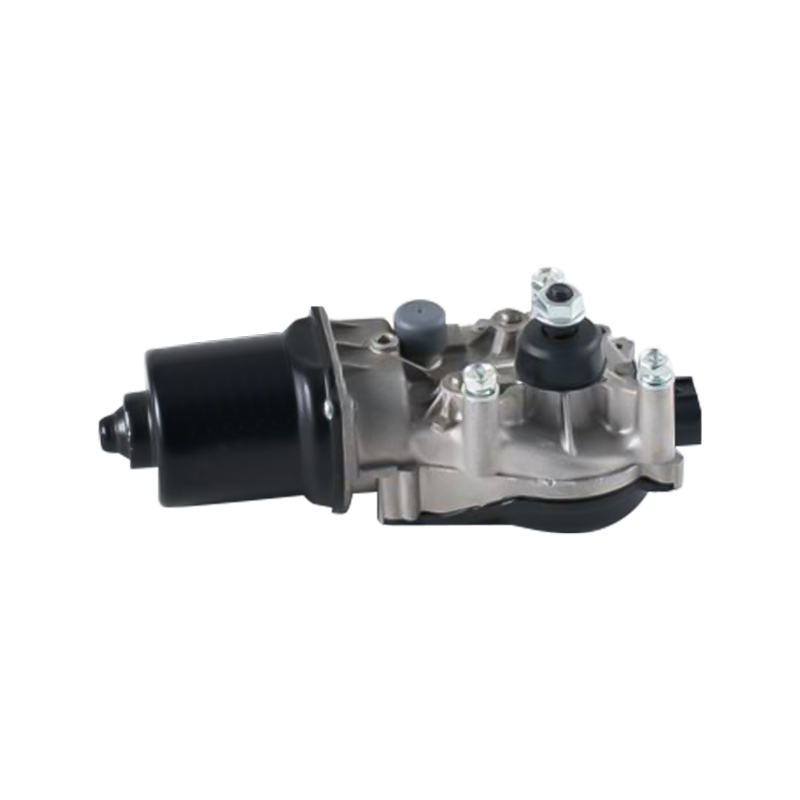
Power Voltage 12V DC, 35W No-load Current Low speed ≦1.5A, high speed ≦2.0A No-loa...
View More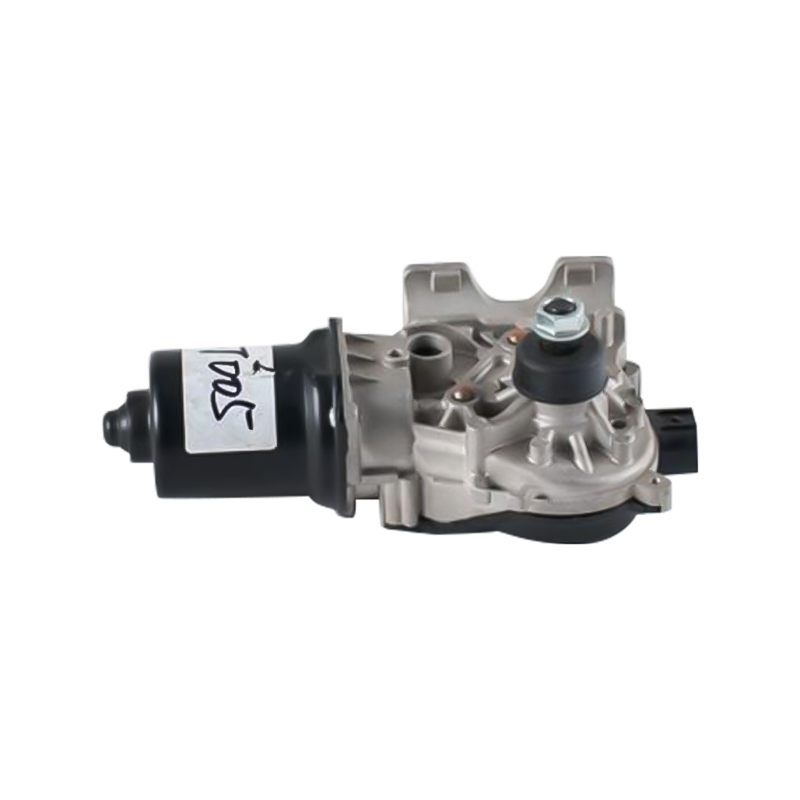
Power Voltage 12V DC, 35W No-load Current Low speed ≦1.5A, high speed ≦2.0A No-loa...
View More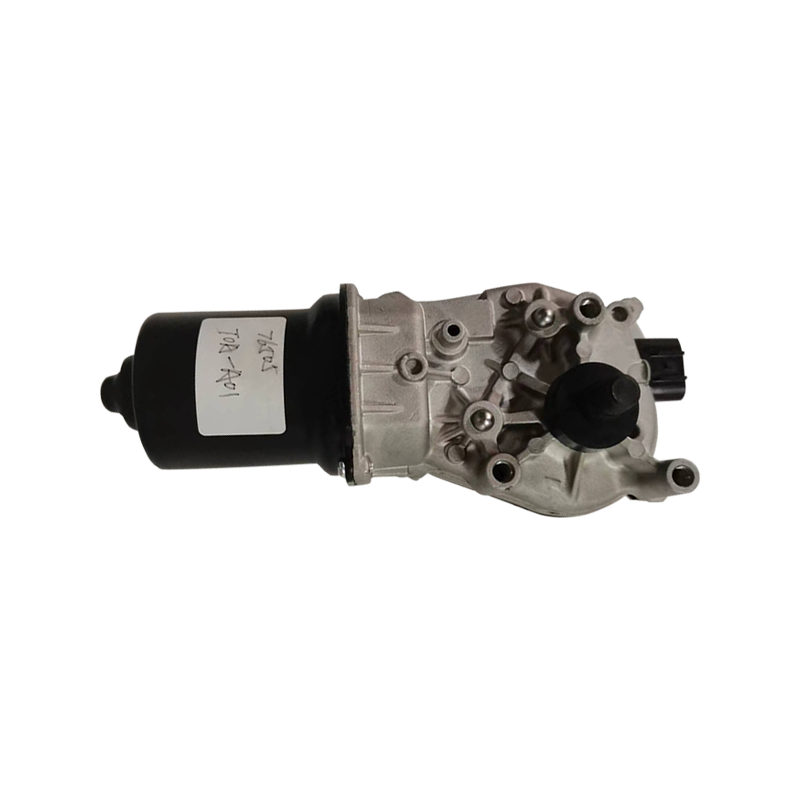
Power Voltage 12V DC, 35W No-load Current Low speed ≦1.5A, high speed ≦2.0A No-loa...
View More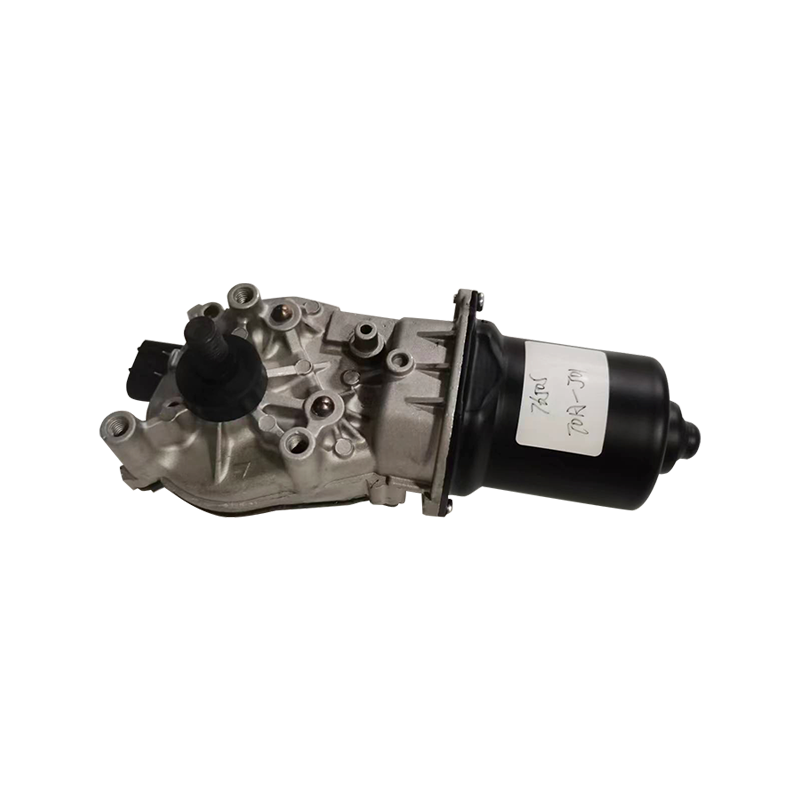
Power Voltage 12V DC, 35W No-load Current Low speed ≦1.5A, high speed ≦2.0A No-loa...
View More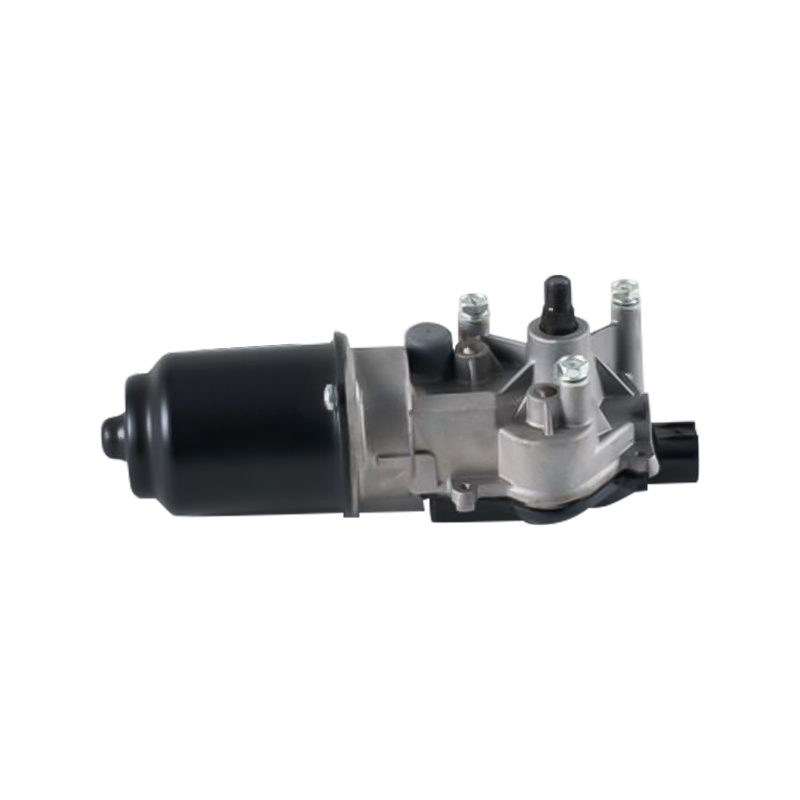
Power Voltage 12V DC, 35W No-load Current Low speed ≦1.5A, high speed ≦2.0A No-loa...
View More