
 LANGUAGE
  English
 Türk
Türk 中文简体
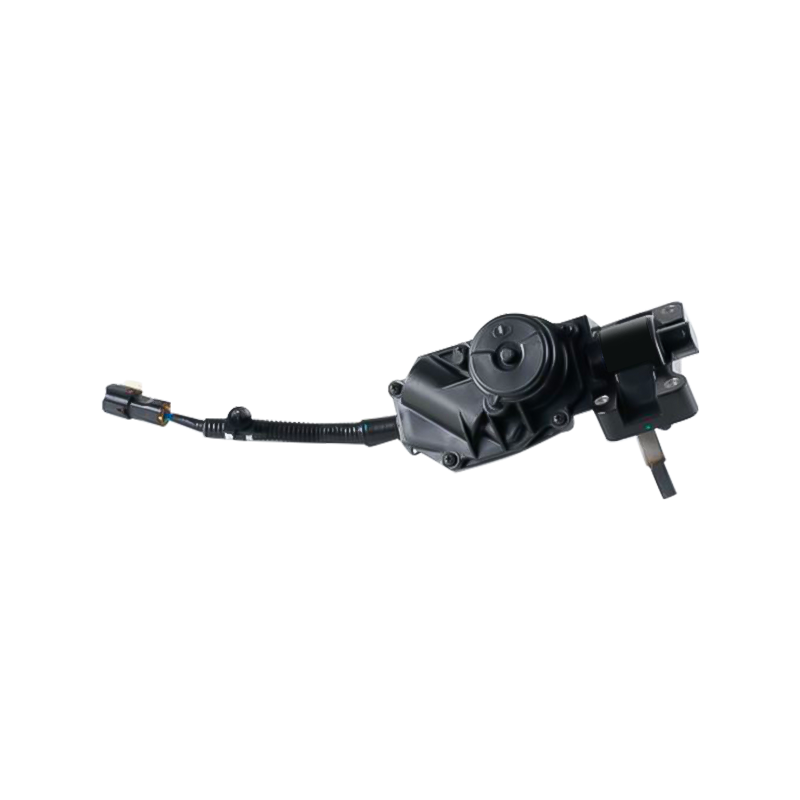
中文简体BT001 Honda Accord Windshield Wiper Motor
Power Voltage 12V DC, 35W No-load Current Low speed ≦1.5A, high speed ≦2.0A No-loa...
View MoreInstalling a Steam Pump Motor properly is essential for the safe and efficient operation of steam systems. The installation process involves more than simply mounting the motor; it requires careful attention to piping alignment, sealing methods, and pressure considerations. Improper installation can cause leaks, reduced efficiency, and even premature damage to the motor or connected equipment.
Proper Alignment: The inlet and outlet pipes must align correctly with the pump’s ports. Misalignment can cause stress on the motor housing, resulting in vibration, wear, or mechanical failure.
Use of Flexible Couplings: Flexible connectors can help accommodate slight misalignments and thermal expansion, reducing stress on the piping and motor.
Adequate Support: Pipes should be supported independently of the motor to prevent the weight of the piping from bearing on the motor, which could damage bearings or seals.
High-Quality Gaskets: Gaskets must be compatible with steam temperature and pressure. Materials such as PTFE, graphite, or metal-reinforced composites are commonly used to ensure a tight seal.
Threaded Connections: If threaded joints are used, proper sealing compounds or tape should be applied to prevent steam leakage while maintaining easy disassembly for maintenance.
Flange Sealing: Flanged connections should be bolted evenly in a star pattern to distribute pressure uniformly and prevent distortion of the seal.
Steam Pressure Rating: The piping and seals must withstand the system pressure to prevent leaks or catastrophic failure.
Thermal Expansion: Steam systems expand significantly when heated. Proper allowance for expansion through flexible joints or loops in the piping is necessary to avoid stressing the motor and seals.
Temperature-Resistant Materials: All sealing materials must tolerate high steam temperatures without degrading, maintaining integrity over time.
Torque Specifications: Bolts and fittings should be tightened according to manufacturer specifications. Over-tightening can deform seals, while under-tightening can result in leaks.
Seal Inspections: Periodic inspection of gaskets and joints ensures that no steam escapes and that the motor operates safely.
Use of Secondary Seals: In high-pressure systems, secondary seals or sealant compounds provide an additional barrier against leakage.
Ease of Disassembly: Proper sealing and alignment allow the Steam Pump Motor to be removed for maintenance without damaging piping or seals.
Regular Checks: Routine monitoring of temperature, pressure, and joint integrity helps detect minor leaks before they develop into serious issues.
Replacement of Worn Components: Gaskets, O-rings, and seals should be replaced according to the maintenance schedule or upon signs of wear.
Preventing Steam Burns: Leaks at joints or poorly sealed connections can pose serious safety hazards. Proper installation reduces the risk of accidental exposure.
Pressure Relief Systems: Always ensure that the system includes appropriate safety valves and pressure relief mechanisms to protect personnel and equipment.
Compliance with Standards: Installation should follow relevant industrial standards and manufacturer guidelines to ensure safe and efficient operation.
Installing a Steam Pump Motor requires meticulous attention to piping alignment, sealing, pressure tolerance, and thermal considerations. Proper alignment prevents mechanical stress, high-quality gaskets and sealing methods prevent leaks, and allowances for thermal expansion ensure long-term reliability. Regular maintenance and inspection further guarantee safe operation and prolonged motor life. By adhering to these requirements, operators can optimize the performance of their steam systems while reducing the risk of damage or safety hazards.
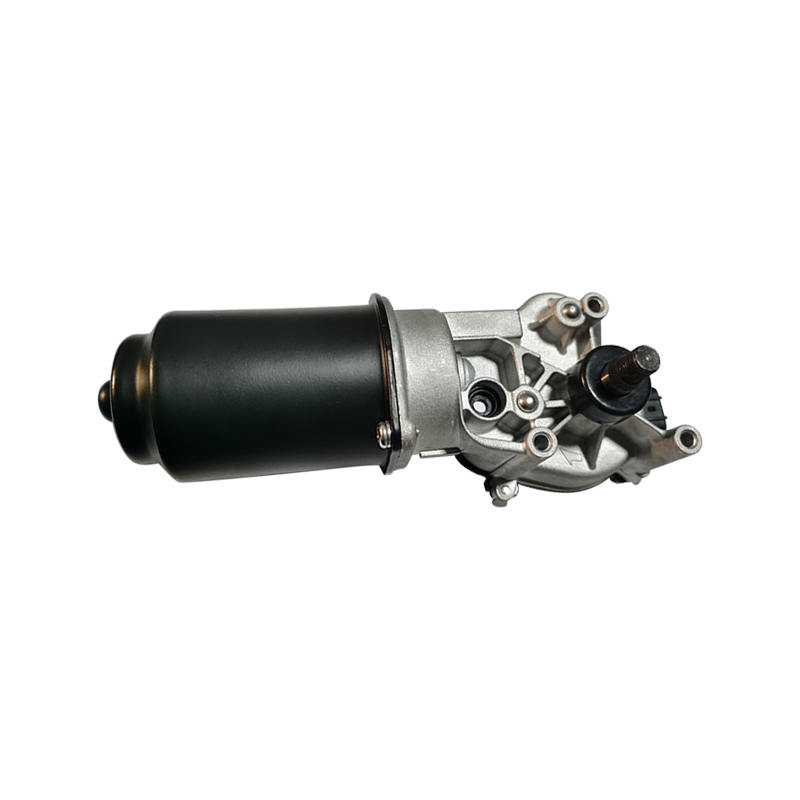
Power Voltage 12V DC, 35W No-load Current Low speed ≦1.5A, high speed ≦2.0A No-loa...
View More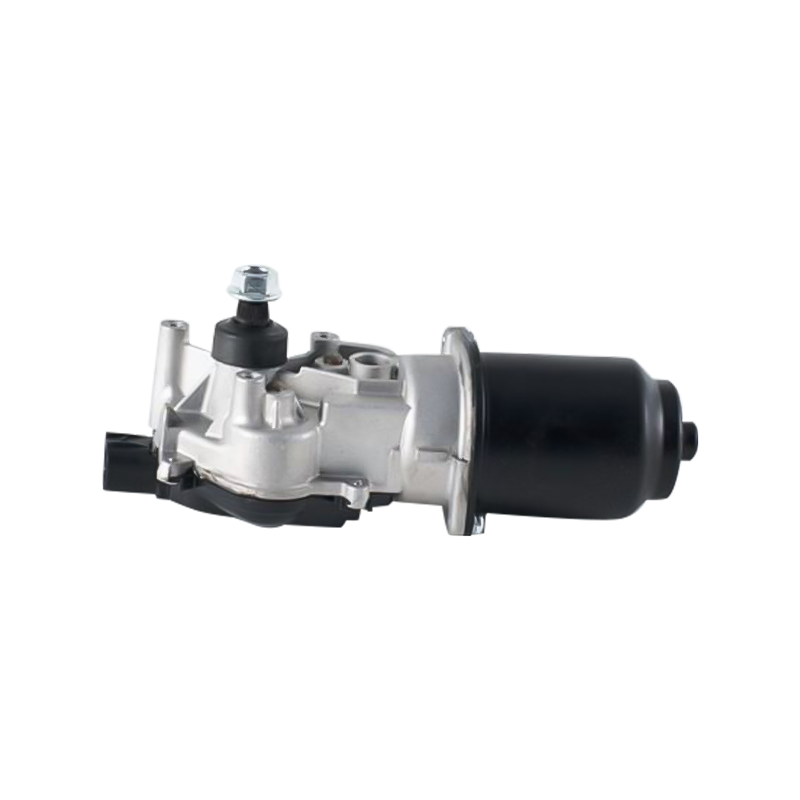
Power Voltage 12V DC, 35W No-load Current Low speed ≦1.5A, high speed ≦2.0A No-loa...
View More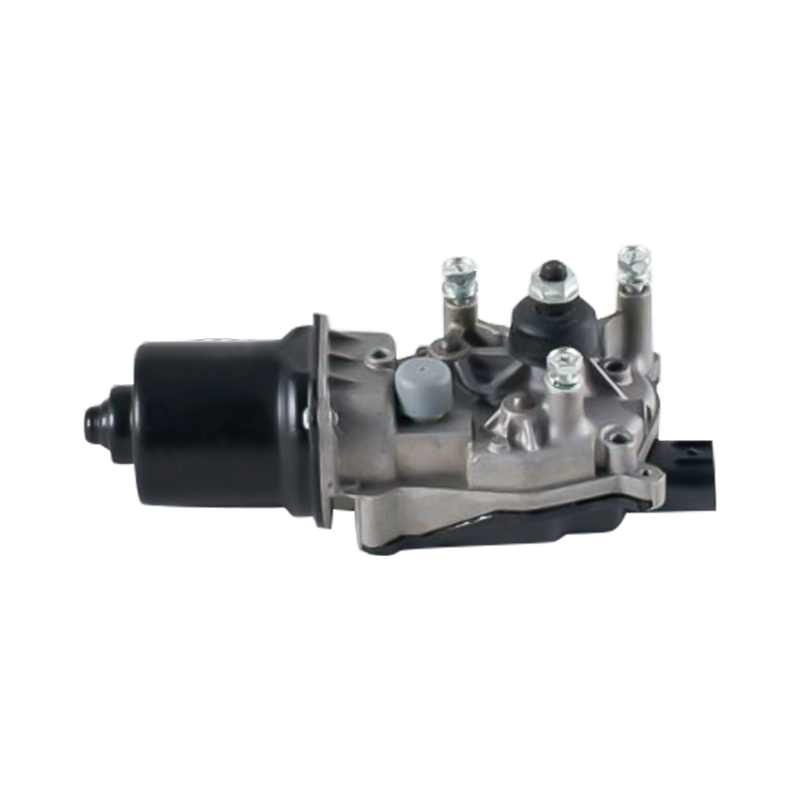
Power Voltage 12V DC, 35W No-load Current Low speed ≦1.5A, high speed ≦2.0A No-loa...
View More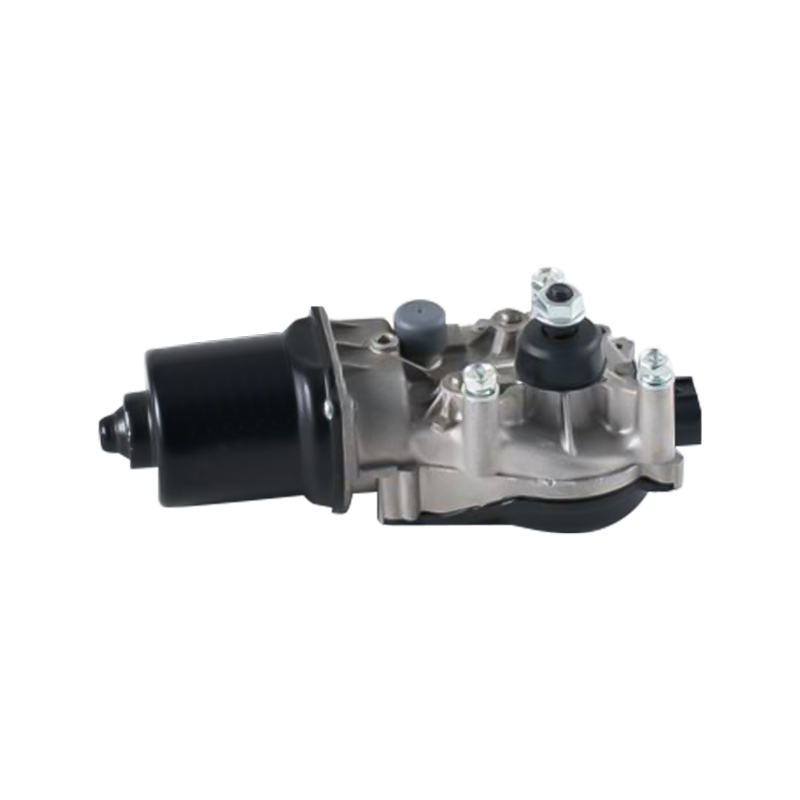
Power Voltage 12V DC, 35W No-load Current Low speed ≦1.5A, high speed ≦2.0A No-loa...
View More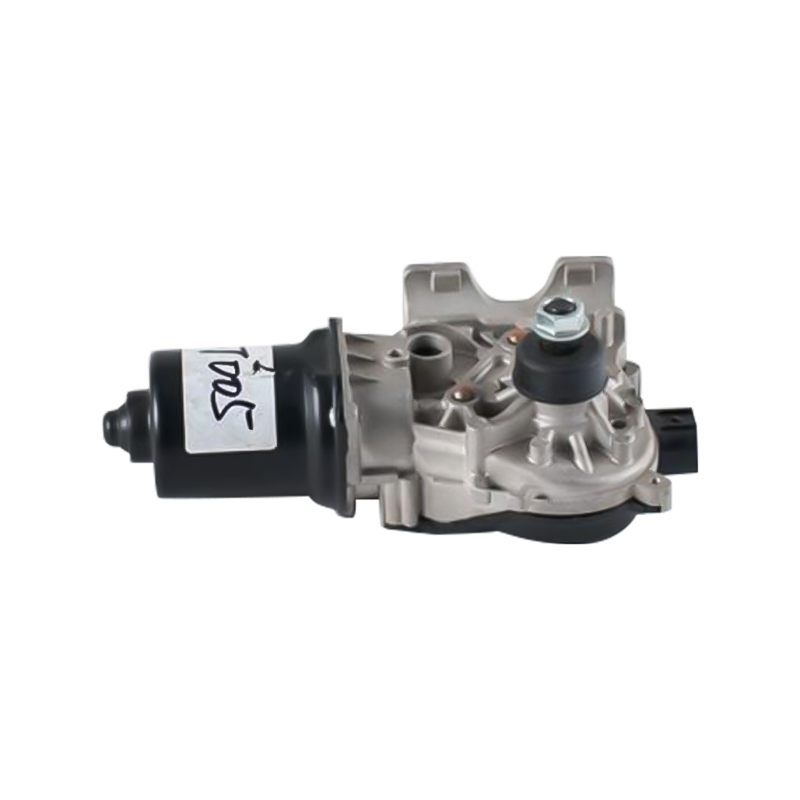
Power Voltage 12V DC, 35W No-load Current Low speed ≦1.5A, high speed ≦2.0A No-loa...
View More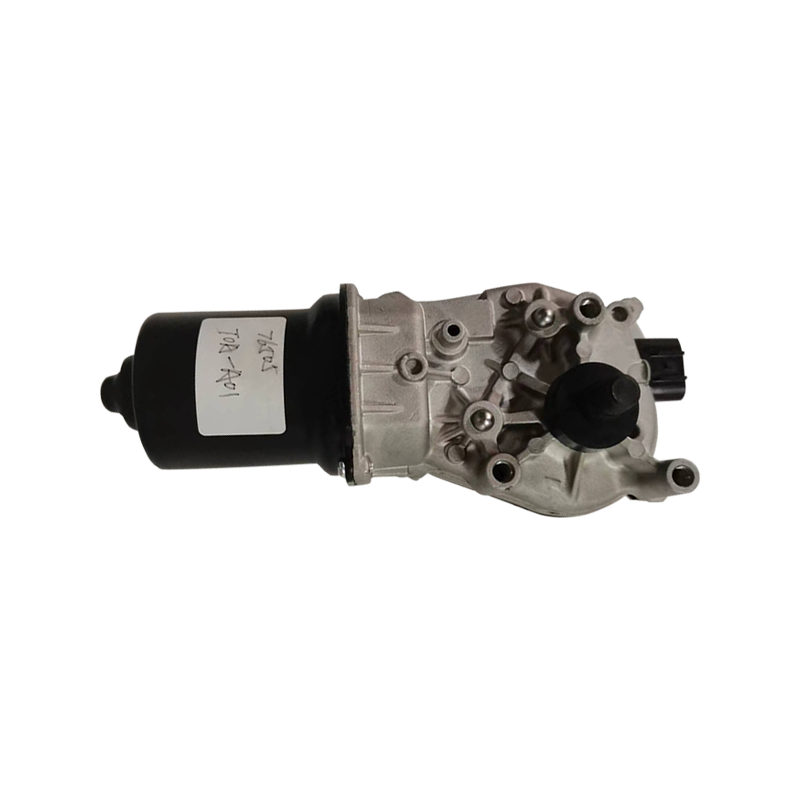
Power Voltage 12V DC, 35W No-load Current Low speed ≦1.5A, high speed ≦2.0A No-loa...
View More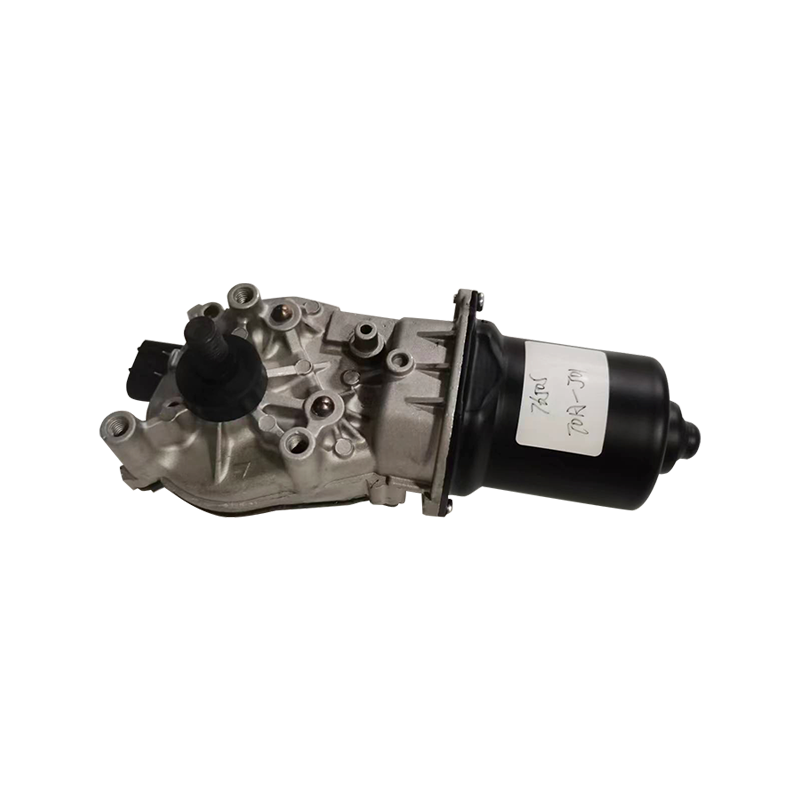
Power Voltage 12V DC, 35W No-load Current Low speed ≦1.5A, high speed ≦2.0A No-loa...
View More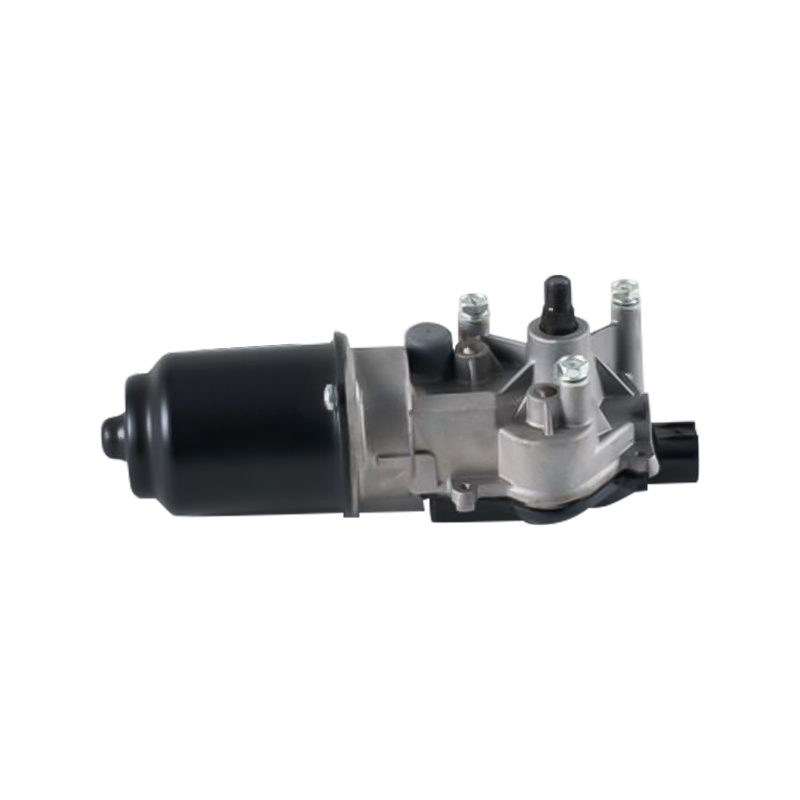
Power Voltage 12V DC, 35W No-load Current Low speed ≦1.5A, high speed ≦2.0A No-loa...
View More