
 LANGUAGE
  English
 Türk
Türk 中文简体
中文简体4001 Automatic Door Motor With Encoder
Rated Voltage 24V DC Rated Power 100W Rated Speed 200rpm No-load Speed 2...
View MoreSelecting the appropriate starting method is a critical decision for any industrial drive system, as it directly affects electrical stability, mechanical stress, and long-term reliability. An Equipment Motor can be started in several ways depending on load characteristics, power supply capacity, and operational requirements. Among the commonly used approaches are direct-on-line starting, reduced-voltage starting, and variable frequency drive starting. Each method has distinct advantages and limitations, making it suitable for specific applications rather than serving as a universal solution.
Direct-on-line starting, often referred to as DOL starting, is a simple and widely used method. In this approach, full supply voltage is applied to the motor terminals at startup. This results in high starting torque, which can be beneficial for loads that require immediate acceleration. However, the sudden application of full voltage also causes a large inrush current, typically several times the rated current. This high current can place stress on electrical components, cause voltage dips in the power network, and increase mechanical shock on shafts, couplings, and driven machinery. Despite these drawbacks, DOL starting remains popular for small to medium-sized motors where the power system can tolerate the current surge and the mechanical load is robust.
Reduced-voltage starting methods are designed to limit the initial current drawn during motor startup. By lowering the voltage applied to the motor during acceleration, these methods reduce electrical and mechanical stress. Common reduced-voltage techniques include star-delta starters, autotransformer starters, and soft starters. While the reduced voltage decreases inrush current, it also lowers starting torque, which may not be suitable for heavy or high-inertia loads. This trade-off means that careful evaluation of load requirements is essential. Reduced-voltage starting is often used in applications where power supply limitations exist or where gradual acceleration helps protect mechanical components from excessive wear.
Variable frequency drive, or VFD, starting represents a more advanced and flexible approach. Instead of applying fixed-frequency power, a VFD gradually increases both voltage and frequency, allowing the motor to accelerate smoothly from zero speed. This method provides precise control over torque and speed, significantly reducing inrush current and mechanical stress. For an Equipment Motor operating under varying load conditions, VFD starting can improve efficiency and extend service life. Additionally, VFDs offer benefits beyond startup, including energy savings during normal operation, improved process control, and built-in protection features such as overload and thermal monitoring. The primary disadvantage of this method is the higher initial cost and increased system complexity.
The differences between direct-on-line, reduced-voltage, and variable frequency drive starting methods highlight the importance of matching the startup strategy to application requirements. An Equipment Motor may perform adequately with a simple DOL starter in basic applications, while more demanding systems benefit from reduced-voltage or VFD solutions. By understanding how each method influences current, torque, and mechanical stress, engineers can make informed decisions that enhance reliability, efficiency, and equipment lifespan. Selecting the right starting method is not only a technical choice but also a strategic investment in system performance and sustainability.
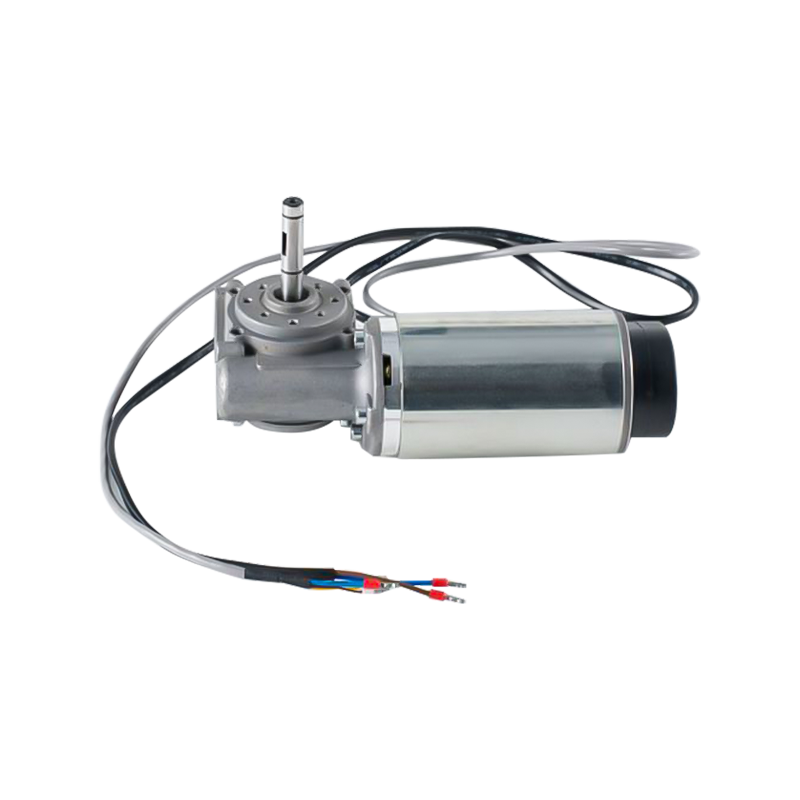
Rated Voltage 24V DC Rated Power 100W Rated Speed 200rpm No-load Speed 2...
View More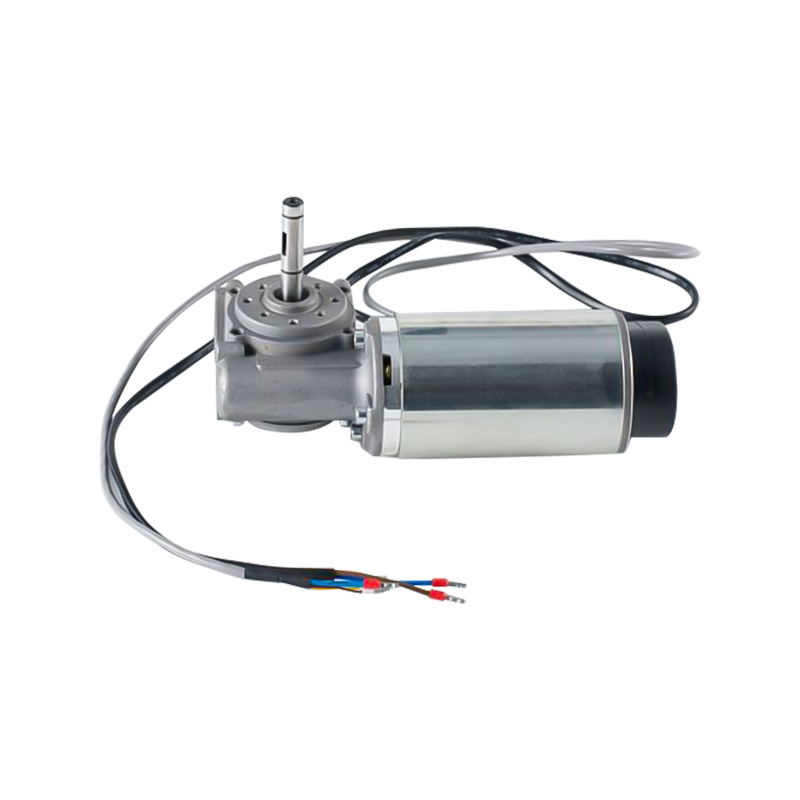
Rated Voltage 24V DC Rated Power 100W Rated Speed 200rpm No-load Speed 2...
View More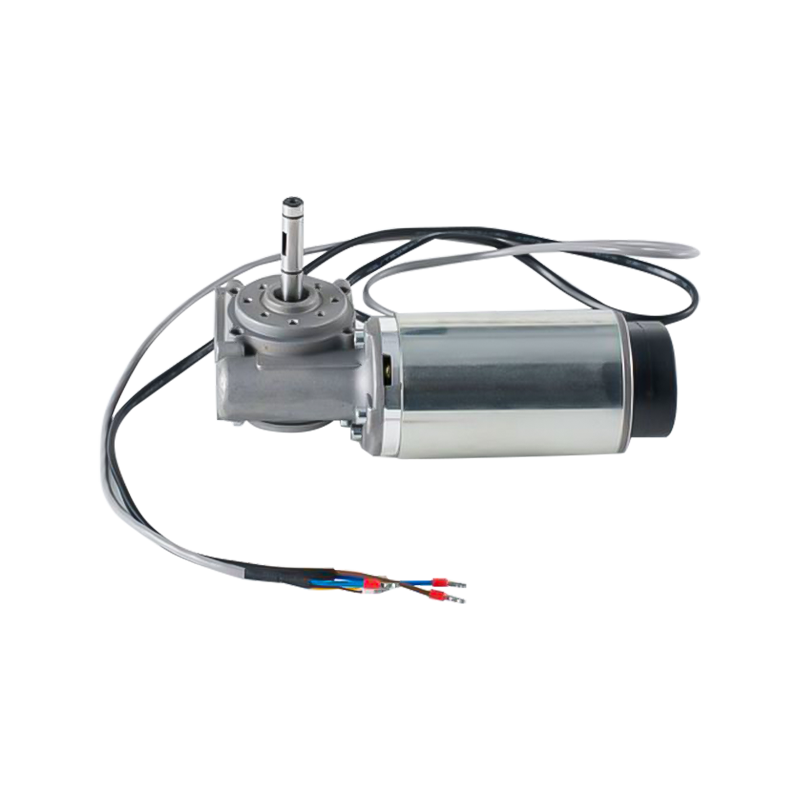
Rated Voltage 24V DC Rated Power 100W Rated Speed 200rpm No-load Speed 2...
View More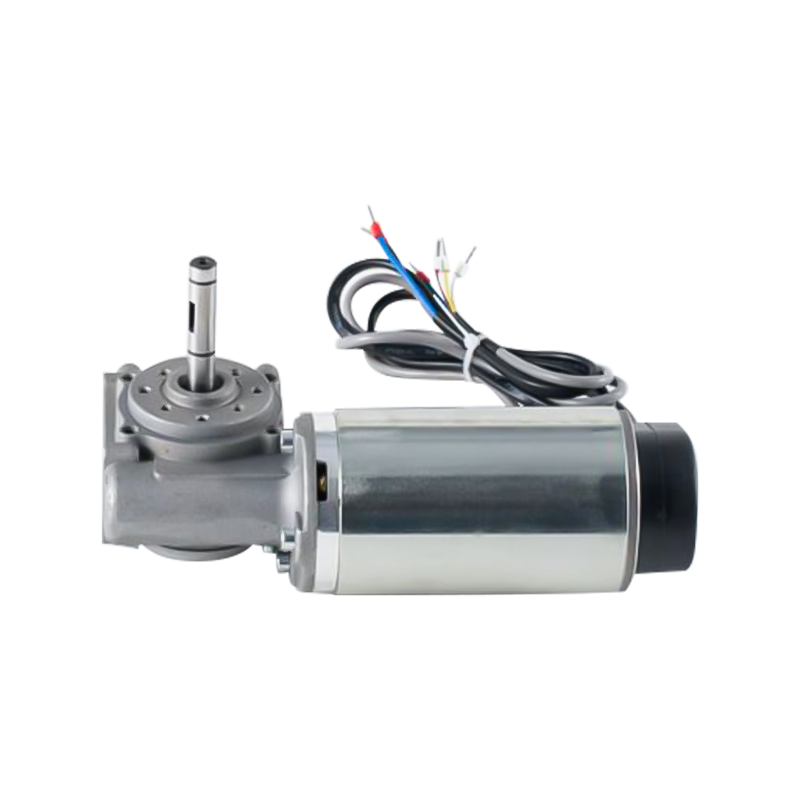
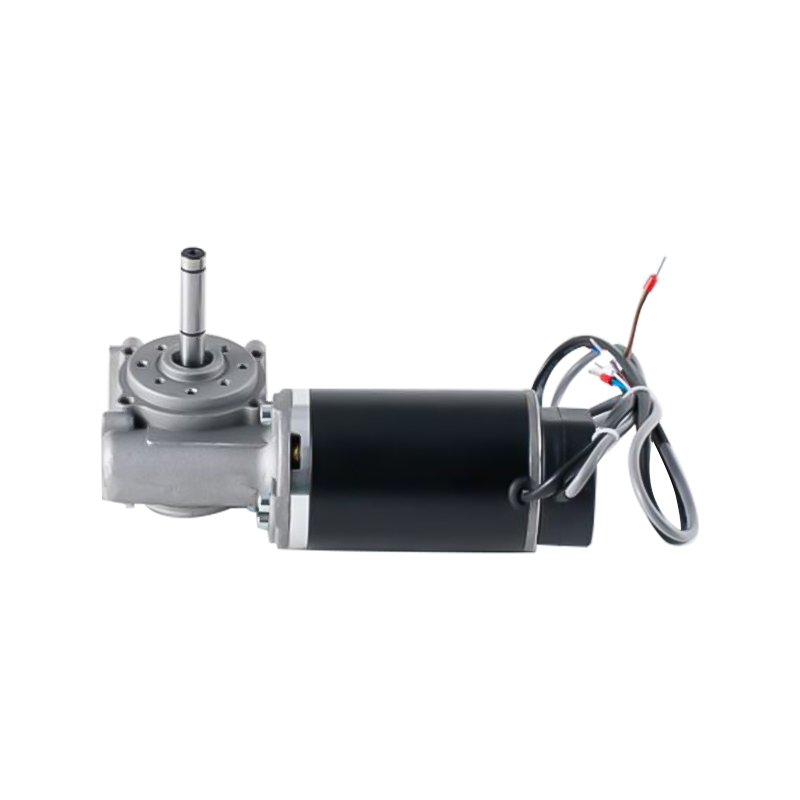
Rated Voltage 24V DC Rated Power 60W Rated Speed 220rpm No-load Speed 24...
View More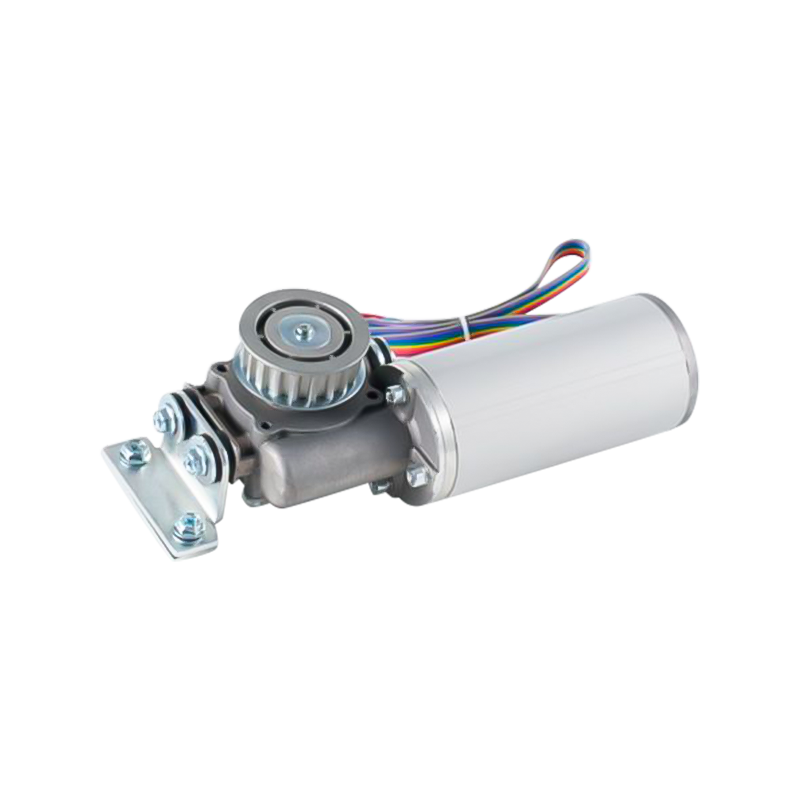
Rated Voltage 24V DC Rated Power 100W Rated Speed 120rpm No-load Speed 1...
View More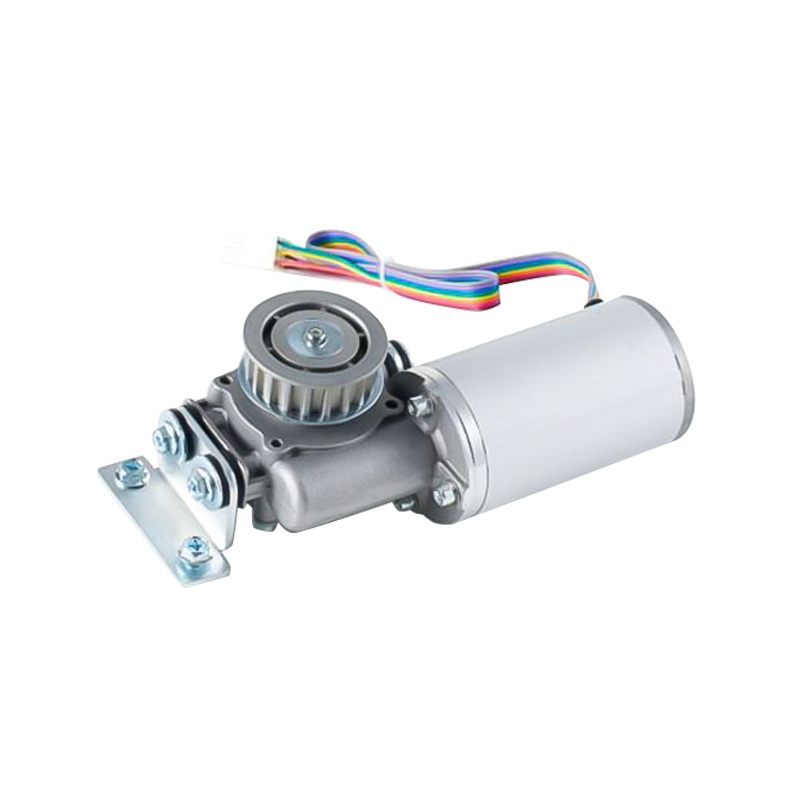
Rated Voltage 24V DC Rated Power 75W Rated Speed 120rpm No-load Speed 15...
View More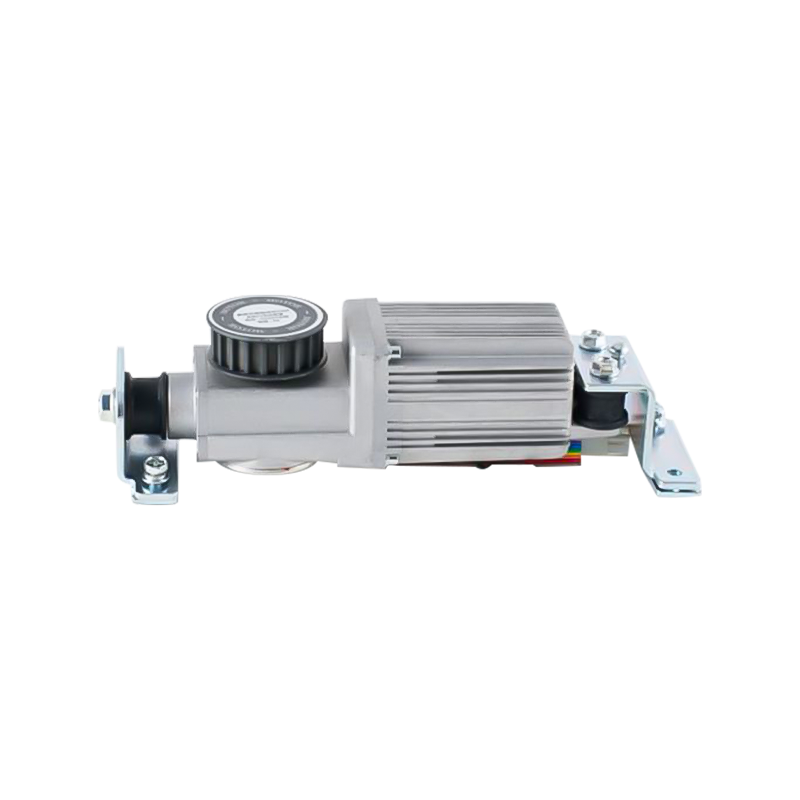
Rated Voltage 24V DC Rated Power 75W Rated Speed 150rpm No-load Speed 18...
View More