
 LANGUAGE
  English
 Türk
Türk 中文简体
中文简体BT001 Honda Accord Windshield Wiper Motor
Power Voltage 12V DC, 35W No-load Current Low speed ≦1.5A, high speed ≦2.0A No-loa...
View MoreA Steam Pump Motor is designed to convert electrical energy into mechanical power to drive pump operations. Efficiency, defined as the ratio of mechanical output to electrical input, is a critical performance indicator. Under high-load conditions, the motor must work harder to maintain the required torque and flow rate, which can cause increased energy consumption and reduced overall efficiency. Understanding how load impacts efficiency helps engineers optimize motor performance and ensure reliable operation in demanding applications.
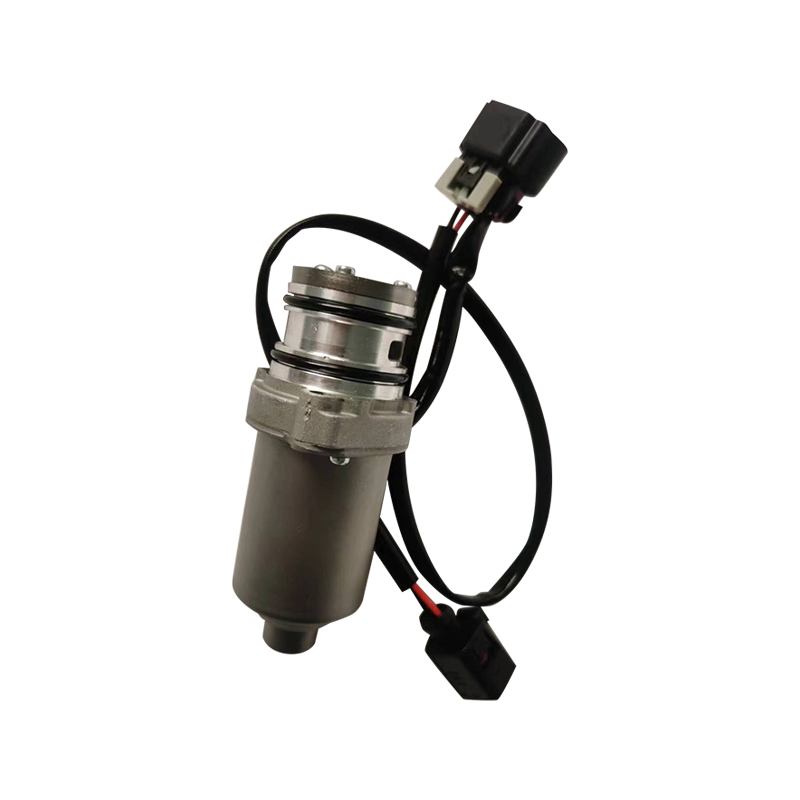
One of the primary reasons a Steam Pump Motor’s efficiency decreases under heavy load is the rise in electrical losses. As load torque increases, the motor draws more current to maintain speed. This elevated current causes higher I²R losses in the windings, generating additional heat. The increase in internal temperature not only reduces energy conversion efficiency but also accelerates insulation aging. These electrical losses are more pronounced in motors operating near their rated capacity, highlighting the importance of selecting a motor with sufficient power margin for anticipated loads.
Efficiency losses under high load are not limited to electrical factors. The coupling between the motor and the pump introduces mechanical resistance, which increases with load. Friction in bearings, seals, and the pump impeller consumes part of the motor’s output power. Additionally, misalignment or wear in the mechanical system can exacerbate energy losses. Proper maintenance, including lubrication and alignment checks, helps decrease these losses, ensuring that the motor operates closer to its suitable efficiency even under demanding conditions.
As a Steam Pump Motor operates under high load, internal temperatures rise due to combined electrical and mechanical losses. Elevated temperatures increase winding resistance and may reduce magnet strength in permanent magnet designs. This thermal effect further diminishes efficiency by requiring more electrical input to achieve the same mechanical output. Motors with effective cooling systems, such as fan-assisted or water-cooled designs, can mitigate efficiency drops by maintaining a lower operating temperature during high-load operation.
Efficiency retention under high load begins with proper motor selection and design. Motors designed for heavy-duty applications often incorporate larger cross-sectional conductors, higher-grade insulation, and robust bearings to handle increased currents and torque without significant efficiency loss. Adjusting the gear ratio or pump impeller size can also help distribute the load more evenly, reducing stress on the motor and maintaining a higher proportion of electrical energy converted to useful mechanical work.
Regular monitoring and maintenance are essential to sustain efficiency under high load. Techniques such as vibration analysis, temperature tracking, and current monitoring allow early detection of issues like excessive friction, worn bearings, or insulation degradation. Timely maintenance prevents incremental efficiency losses and extends the motor’s service life. Ensuring proper lubrication, cleaning, and alignment of coupled pump components further contributes to consistent high-load performance.
A Steam Pump Motor’s efficiency decreases under high-load conditions due to increased electrical and mechanical losses, as well as thermal effects. However, careful design, proper motor sizing, and routine maintenance can mitigate these efficiency reductions. By understanding the relationship between load and performance, engineers can ensure that steam pump motors operate reliably and efficiently even in demanding, high-torque applications.
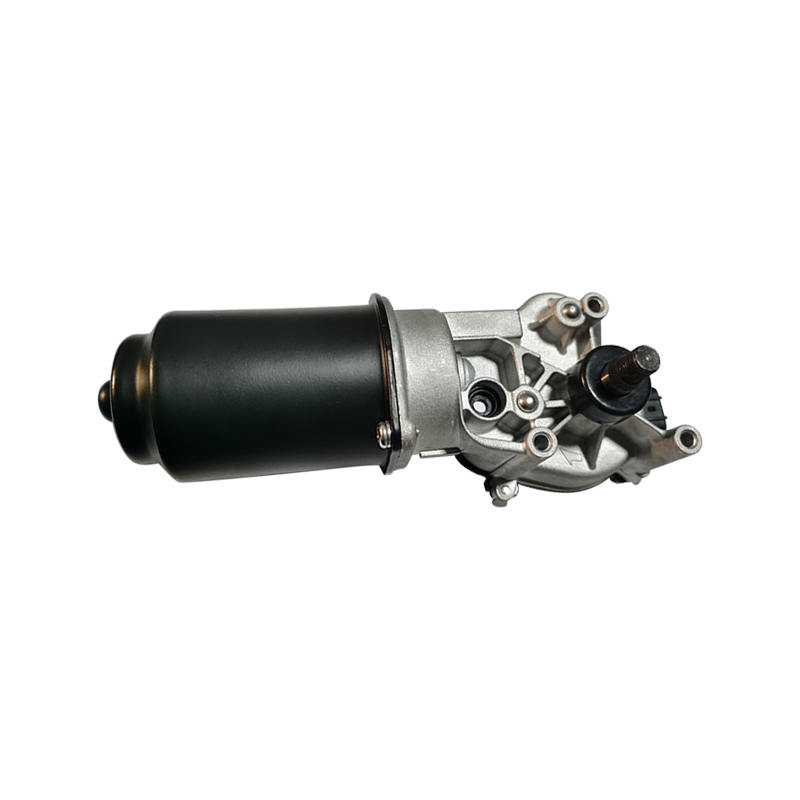
Power Voltage 12V DC, 35W No-load Current Low speed ≦1.5A, high speed ≦2.0A No-loa...
View More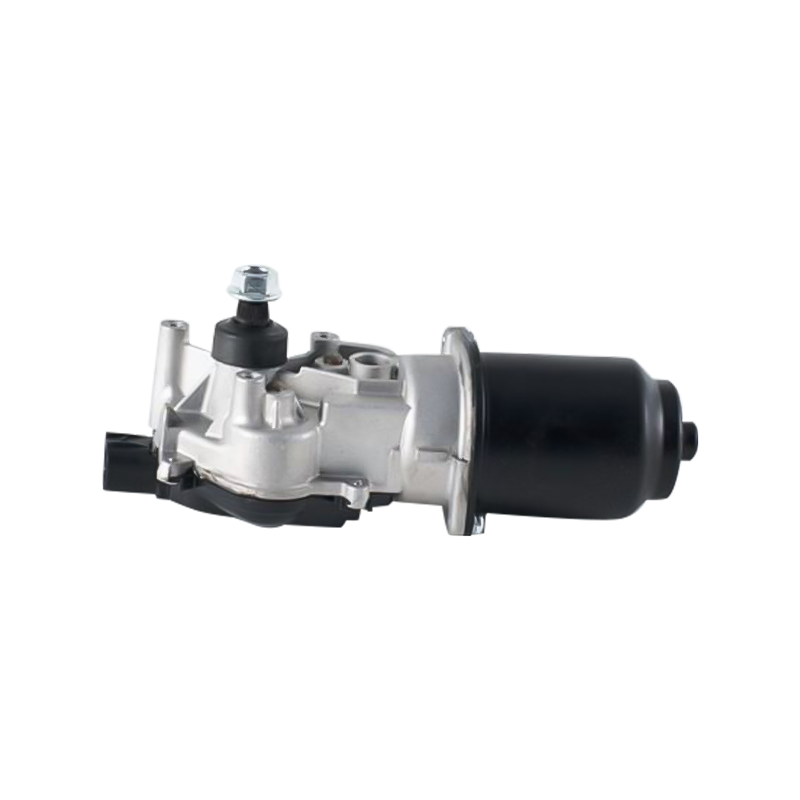
Power Voltage 12V DC, 35W No-load Current Low speed ≦1.5A, high speed ≦2.0A No-loa...
View More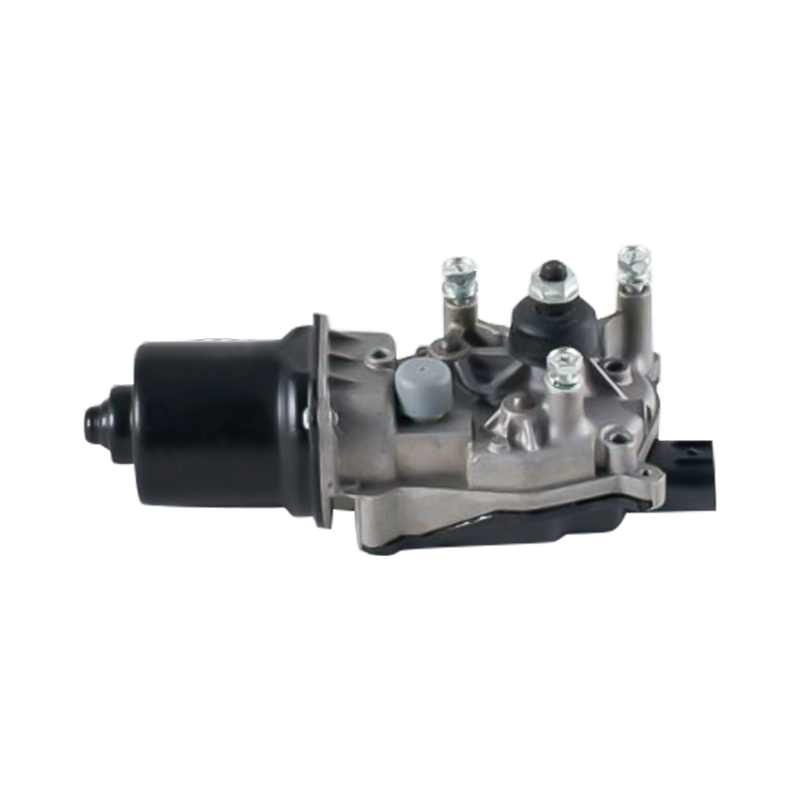
Power Voltage 12V DC, 35W No-load Current Low speed ≦1.5A, high speed ≦2.0A No-loa...
View More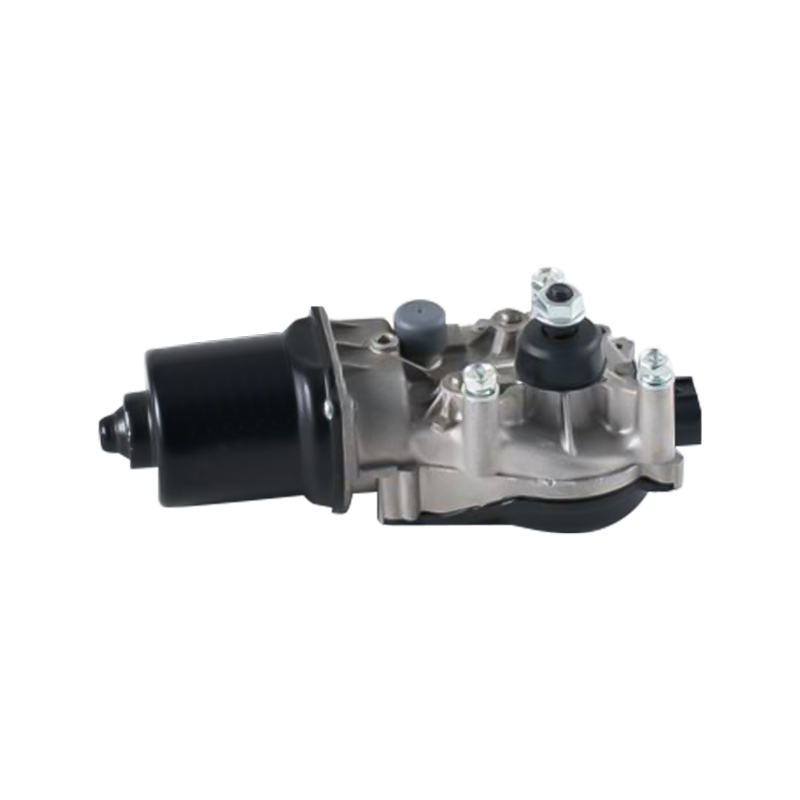
Power Voltage 12V DC, 35W No-load Current Low speed ≦1.5A, high speed ≦2.0A No-loa...
View More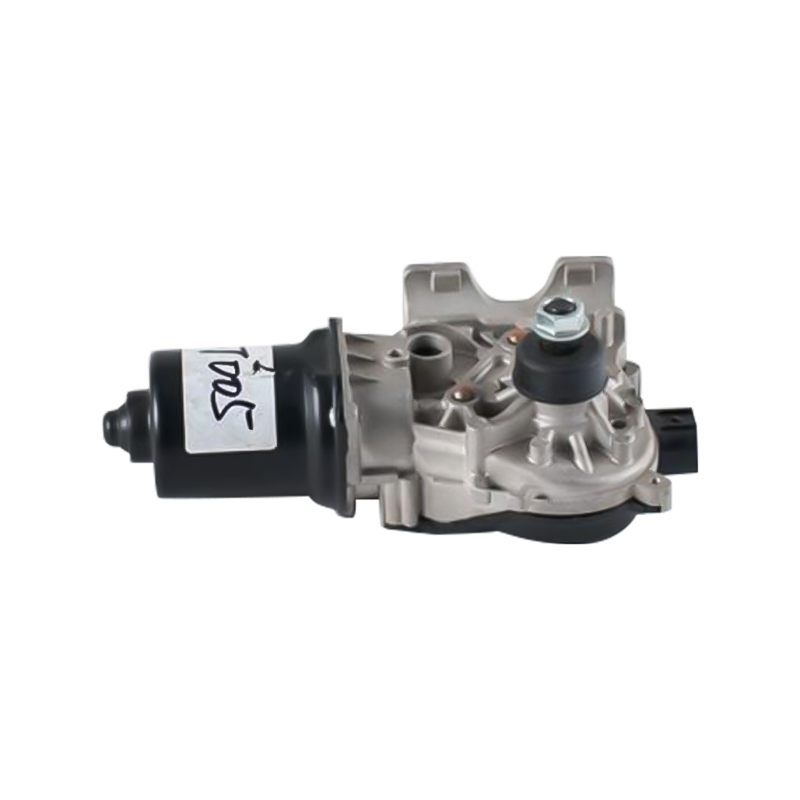
Power Voltage 12V DC, 35W No-load Current Low speed ≦1.5A, high speed ≦2.0A No-loa...
View More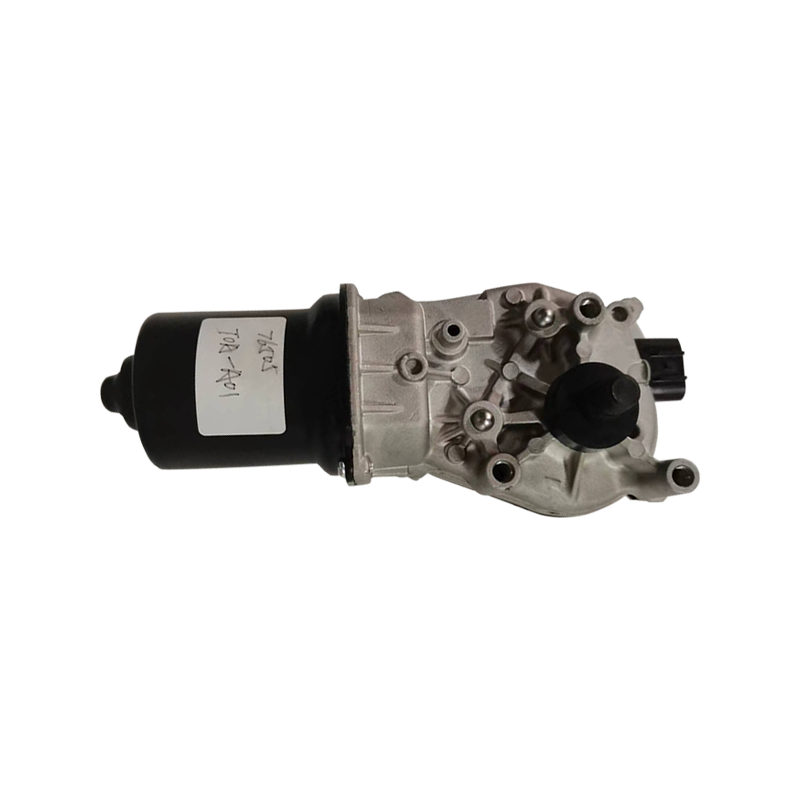
Power Voltage 12V DC, 35W No-load Current Low speed ≦1.5A, high speed ≦2.0A No-loa...
View More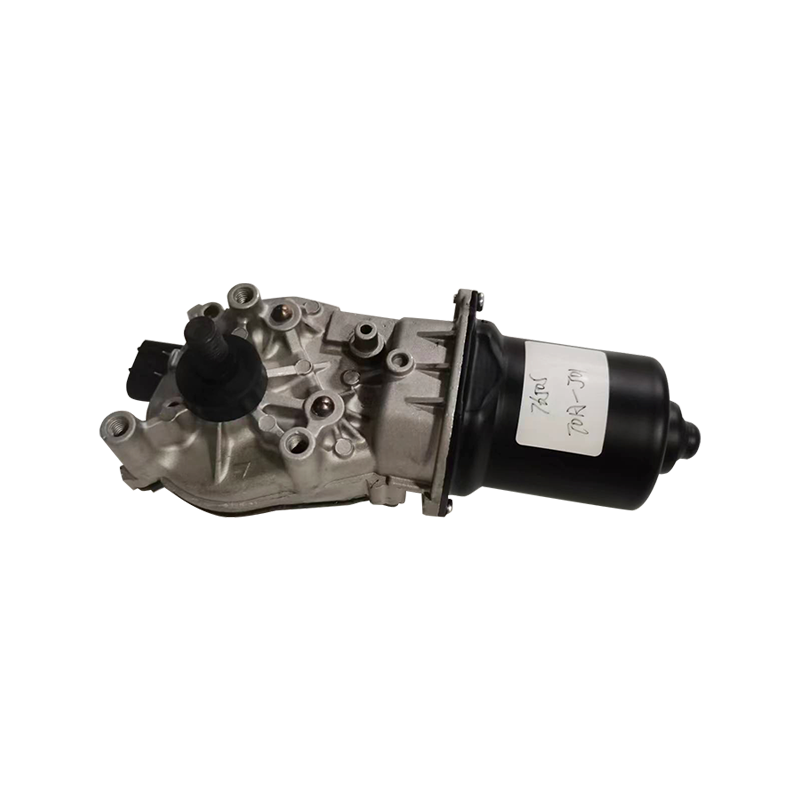
Power Voltage 12V DC, 35W No-load Current Low speed ≦1.5A, high speed ≦2.0A No-loa...
View More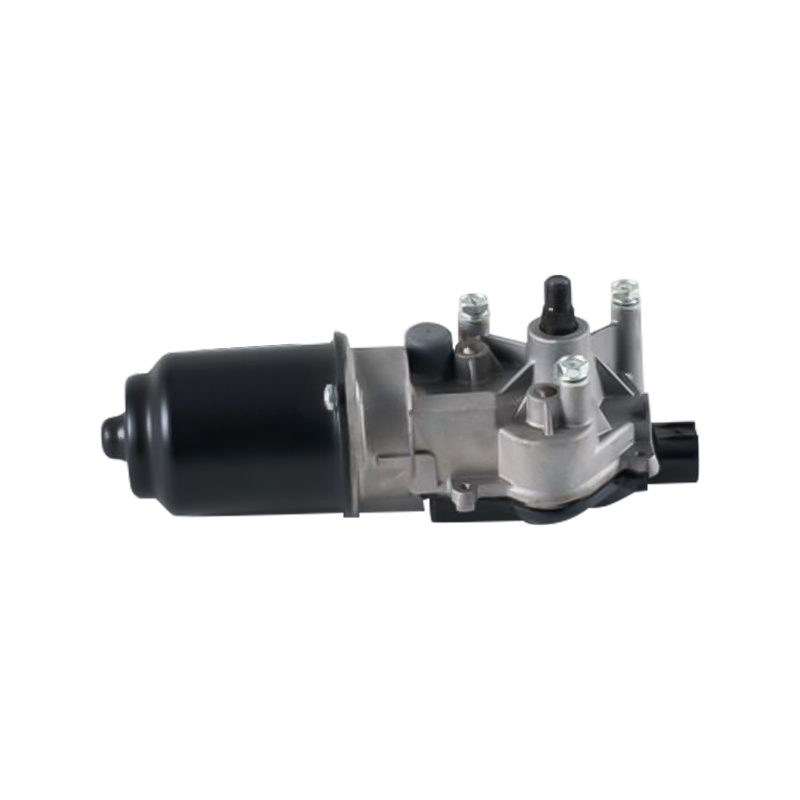
Power Voltage 12V DC, 35W No-load Current Low speed ≦1.5A, high speed ≦2.0A No-loa...
View More