
 LANGUAGE
  English
 Türk
Türk 中文简体
中文简体BT001 Honda Accord Windshield Wiper Motor
Power Voltage 12V DC, 35W No-load Current Low speed ≦1.5A, high speed ≦2.0A No-loa...
View MoreA Steam Pump Motor experiences inrush current during startup, which is significantly higher than its normal operating current. This sudden surge occurs as the motor accelerates from a standstill to full speed, drawing excessive electrical current to overcome initial inertia and system load. Similarly, stopping the motor can induce transient electrical and mechanical stresses if deceleration is not properly managed. Controlling these current surges is crucial to prevent damage to the motor windings, reduce stress on power supply systems, and extend the overall lifespan of the motor.
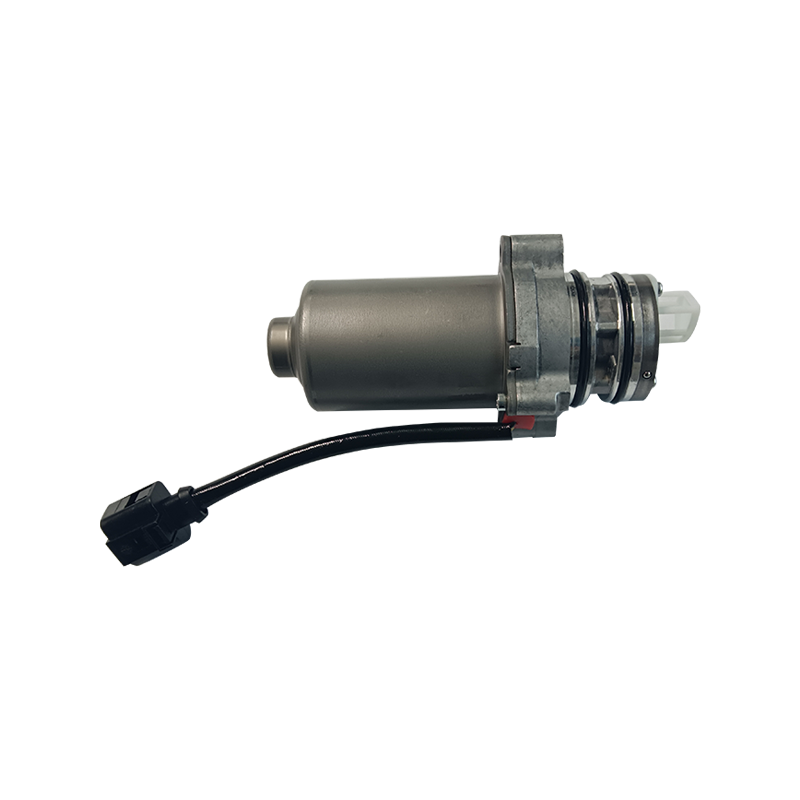
The inrush current in a Steam Pump Motor is primarily caused by the low initial back electromotive force (EMF) when the rotor is stationary. At this moment, the motor behaves almost like a pure resistive load, allowing high current to flow through the windings. Mechanical load on the pump also contributes to higher startup currents, especially if the pump impeller is large or viscous fluids are involved. The combination of electrical and mechanical factors results in transient stresses that, if uncontrolled, can cause overheating, tripping of circuit breakers, and mechanical wear.
One common method to manage inrush current is using a soft starter. Soft starters gradually ramp up the voltage applied to the motor, allowing the rotor to accelerate smoothly. By controlling the voltage and current during startup, the motor experiences a reduced initial surge, which protects the windings and connected electrical components. Soft starters also provide adjustable ramp-up times and torque limits, enabling operators to tailor the startup process based on pump load, fluid viscosity, and other system-specific parameters.
Variable Frequency Drives (VFDs) offer an advanced solution for both starting and stopping a Steam Pump Motor. VFDs control the motor’s speed by adjusting the supply frequency and voltage, allowing precise management of acceleration and deceleration profiles. By gradually increasing frequency from zero, the motor avoids high inrush currents while maintaining controlled torque. During stopping, the VFD can apply dynamic braking or ramp-down techniques, preventing sudden current spikes and reducing mechanical stress on the pump and motor shaft.
Traditional methods such as star-delta starting or autotransformer reduced voltage starting also help control inrush currents. In a star-delta configuration, the motor initially connects in a star configuration, reducing the voltage applied to each winding and lowering the current. After reaching a predetermined speed, it switches to delta configuration for normal operation. These methods are effective for larger motors but require additional switching equipment and may be less flexible compared to soft starters or VFDs.
In addition to controlling the startup, monitoring systems and protective devices play a critical role. Thermal overload relays, circuit breakers, and current sensors help detect excessive current or prolonged high-load conditions, preventing motor damage. By combining controlled startup techniques with real-time monitoring, operators can reduce the impact of inrush currents and improve overall reliability.
Controlling the inrush current during startup and managing deceleration during stopping are essential for maintaining the performance and longevity of a Steam Pump Motor. Methods such as soft starters, VFDs, and reduced voltage starting, combined with protective devices and monitoring systems, allow safe and efficient operation. By implementing these strategies, engineers can reduce electrical and mechanical stress, optimize energy consumption, and ensure the motor operates reliably under various load conditions.
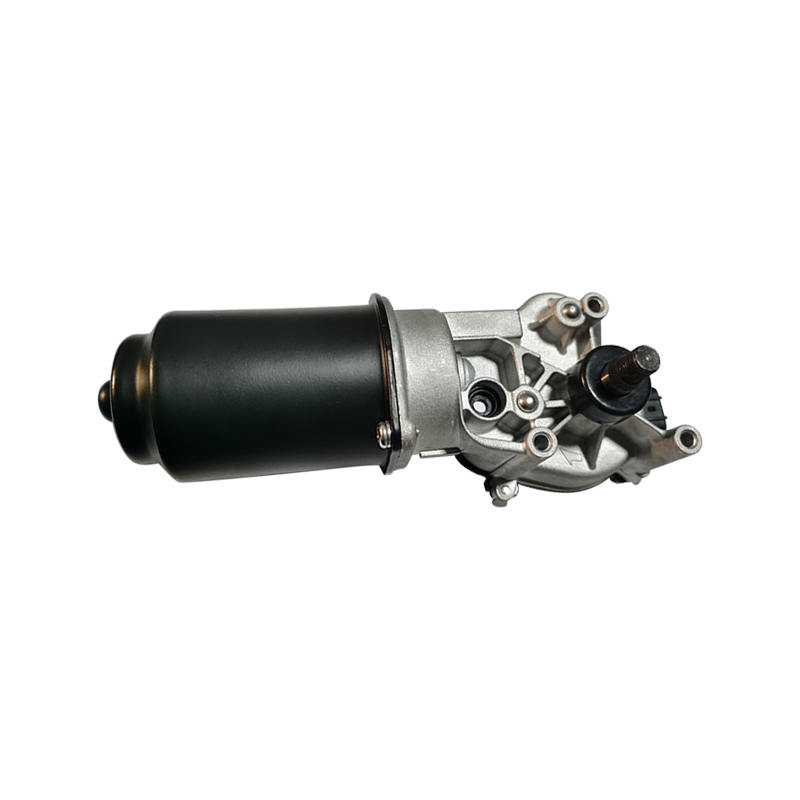
Power Voltage 12V DC, 35W No-load Current Low speed ≦1.5A, high speed ≦2.0A No-loa...
View More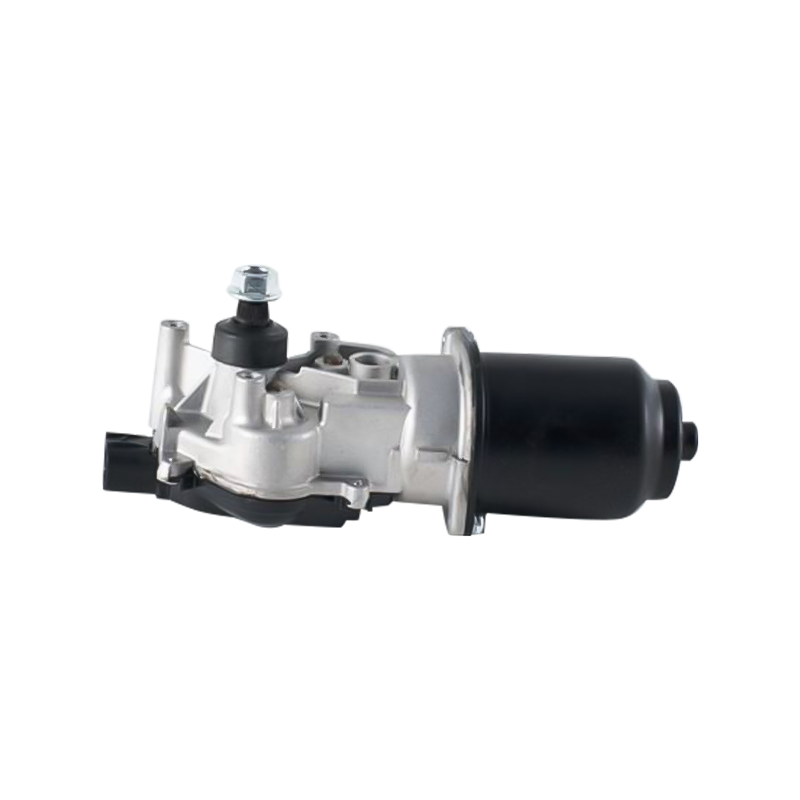
Power Voltage 12V DC, 35W No-load Current Low speed ≦1.5A, high speed ≦2.0A No-loa...
View More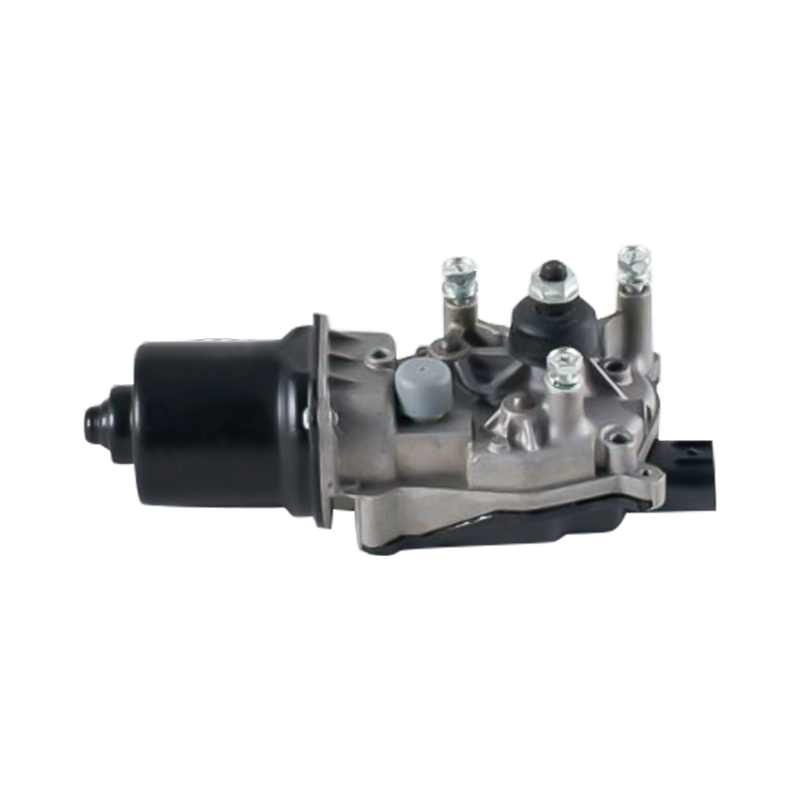
Power Voltage 12V DC, 35W No-load Current Low speed ≦1.5A, high speed ≦2.0A No-loa...
View More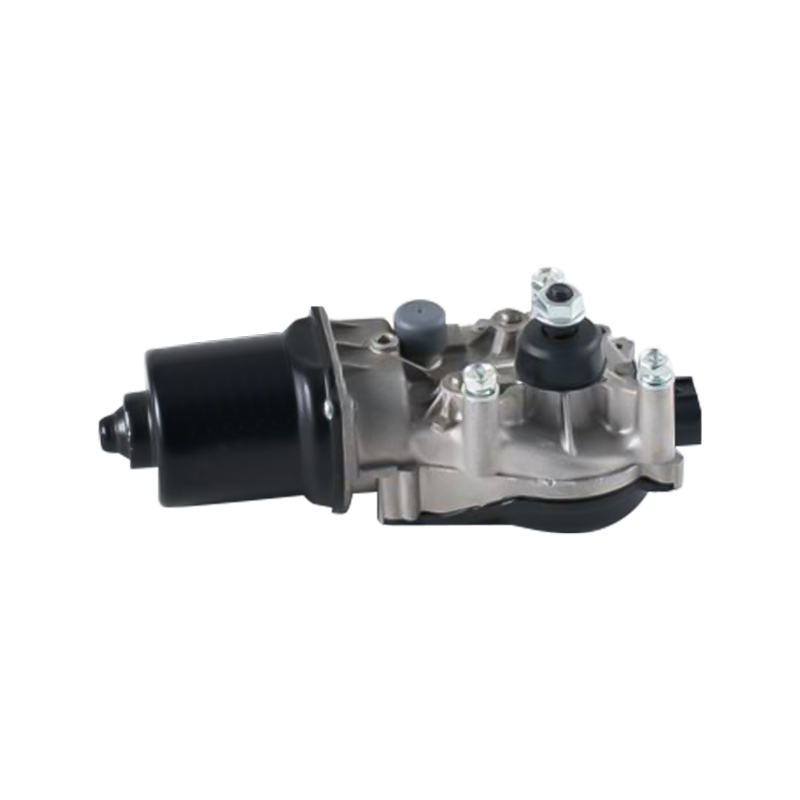
Power Voltage 12V DC, 35W No-load Current Low speed ≦1.5A, high speed ≦2.0A No-loa...
View More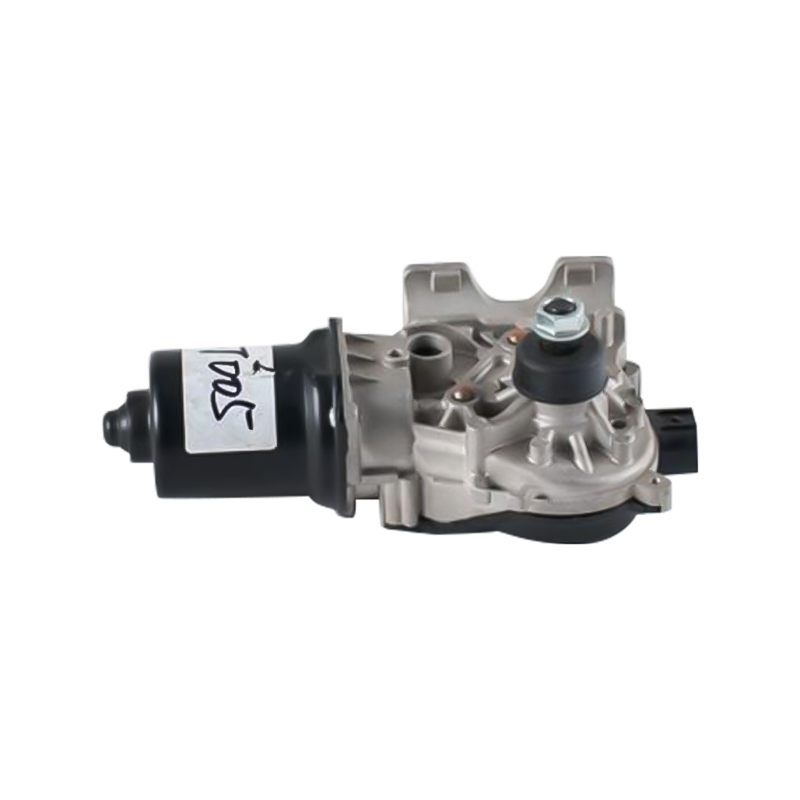
Power Voltage 12V DC, 35W No-load Current Low speed ≦1.5A, high speed ≦2.0A No-loa...
View More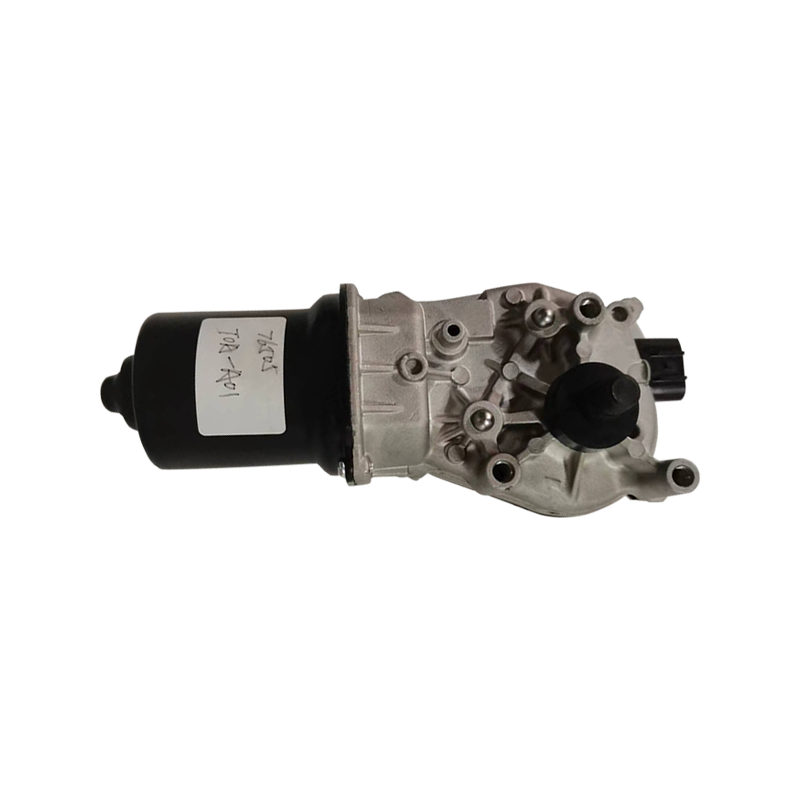
Power Voltage 12V DC, 35W No-load Current Low speed ≦1.5A, high speed ≦2.0A No-loa...
View More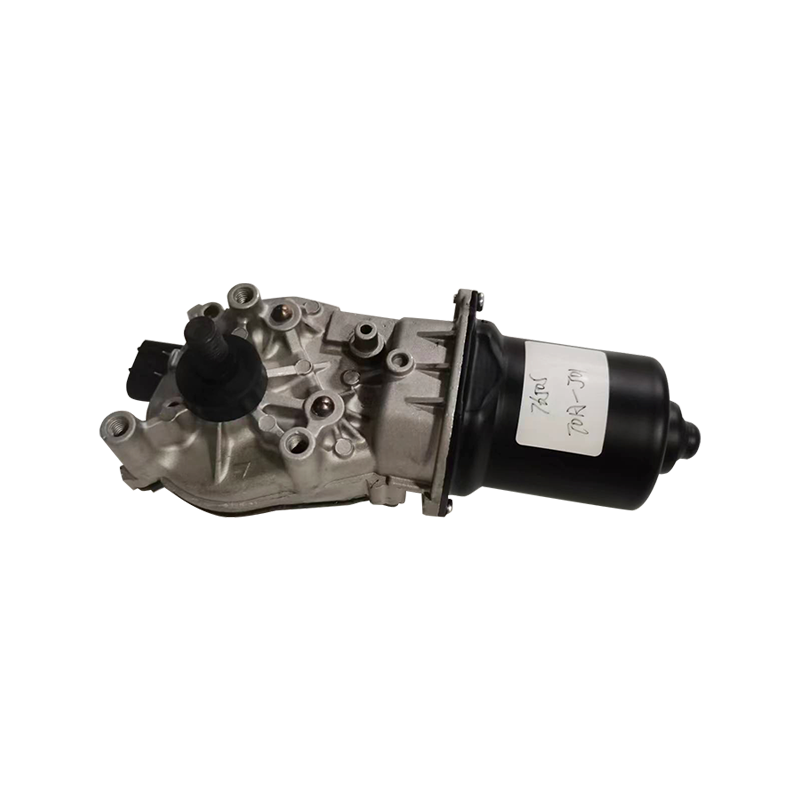
Power Voltage 12V DC, 35W No-load Current Low speed ≦1.5A, high speed ≦2.0A No-loa...
View More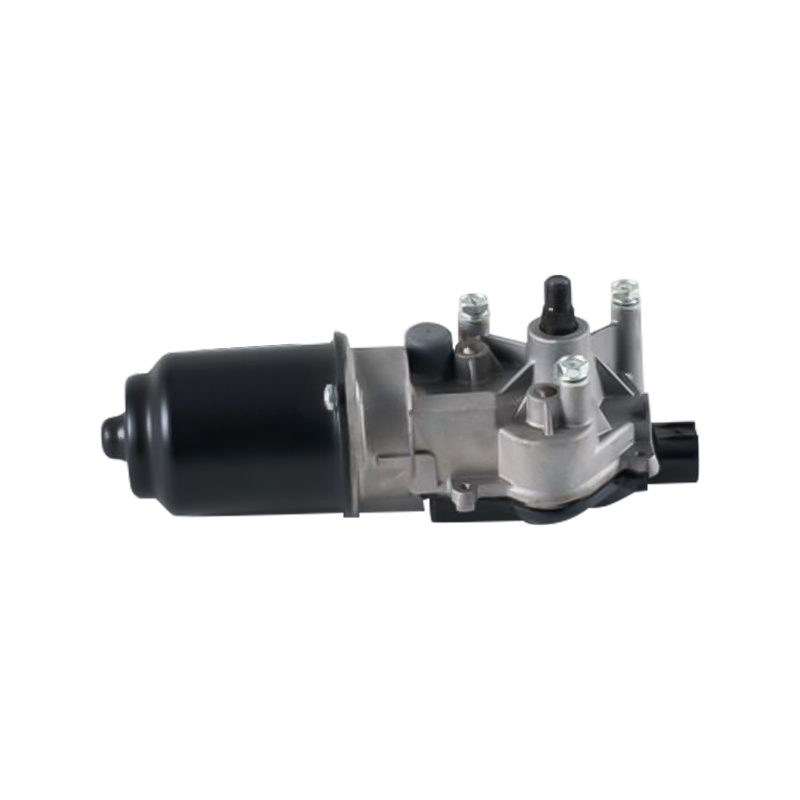
Power Voltage 12V DC, 35W No-load Current Low speed ≦1.5A, high speed ≦2.0A No-loa...
View More