
 LANGUAGE
  English
 Türk
Türk 中文简体
中文简体4001 Automatic Door Motor With Encoder
Rated Voltage 24V DC Rated Power 100W Rated Speed 200rpm No-load Speed 2...
View MoreA Steam Pump Motor operating in high-temperature steam environments faces unique challenges that can affect its long-term stability. Unlike standard electric motors, steam pump applications expose the motor to elevated ambient temperatures, humidity, and potentially corrosive condensate. These conditions place increased stress on insulation materials, bearings, and other critical components. Ensuring stable operation over extended periods requires careful consideration of materials, cooling systems, installation practices, and maintenance procedures to prevent premature failure or efficiency loss.
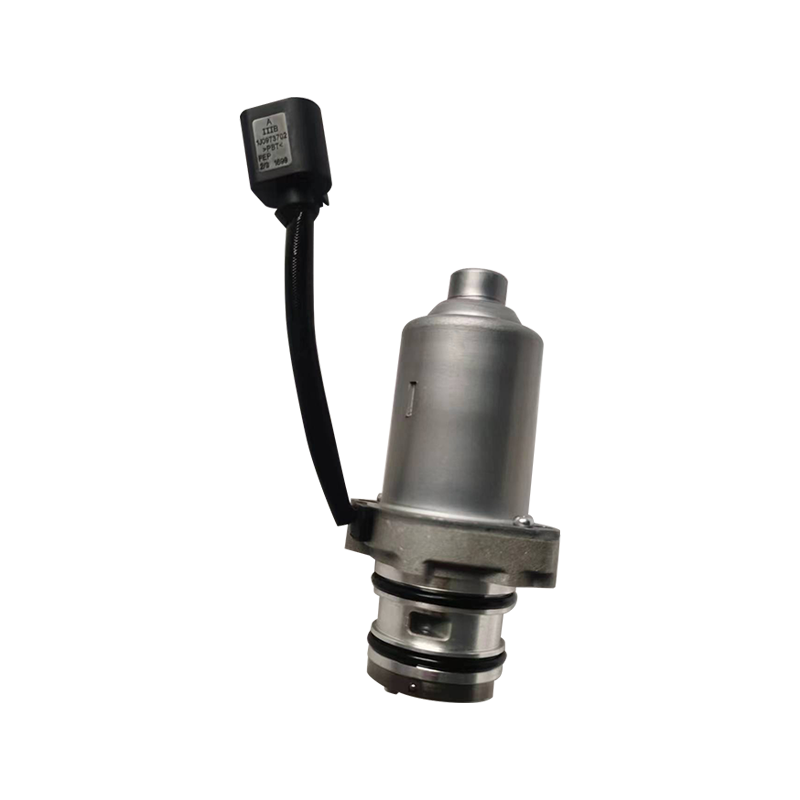
The critical factor influencing a Steam Pump Motor’s longevity in high-temperature environments is the thermal stress on its insulation. Prolonged exposure to heat accelerates the aging of insulation materials, potentially causing short circuits or winding failures. Motors designed for high-temperature applications often utilize specialized insulation classes, such as Class H or higher, capable of withstanding continuous operation at elevated temperatures. Selecting a motor with appropriate insulation materials ensures that thermal degradation does not compromise the motor’s performance over time.
Bearings are another crucial component affected by high temperatures in steam pump applications. Elevated heat can accelerate lubricant breakdown and increase friction, causing wear, vibration, or even bearing seizure. High-quality Steam Pump Motors typically use bearings rated for high-temperature operation and lubricants specifically formulated to retain viscosity and performance under steam exposure. In some cases, bearings may include external cooling or shields to reduce thermal stress and extend service life.
The motor housing design plays a significant role in stability under steam conditions. Materials must resist corrosion from moisture and steam condensate, and adequate ventilation or forced cooling mechanisms are necessary to dissipate internal heat. Some motors include finned housings or water-cooled jackets to maintain suitable internal temperatures. Proper installation, ensuring unobstructed airflow around the motor, helps prevent localized overheating, which is essential for maintaining long-term reliability in harsh steam environments.
Steam exposure introduces moisture, which can condense inside motor components, causing corrosion and electrical shorts. To combat this, Steam Pump Motors often feature high IP (Ingress Protection) ratings, using seals and gaskets that prevent moisture ingress while allowing for thermal expansion. Motors with IP55 or higher protection are commonly recommended for steam applications. Additionally, protective coatings on internal components can further enhance resistance to corrosive effects, maintaining consistent performance over time.
Even motors designed for high-temperature steam environments require proactive maintenance to ensure long-term stability. Regular inspection of bearings, lubrication schedules, cleaning condensate or residue, and monitoring insulation resistance are critical. Predictive maintenance techniques, such as vibration analysis or thermal imaging, can help identify potential issues before failure occurs, ensuring uninterrupted operation and preventing costly downtime.
A Steam Pump Motor can achieve stable, long-term operation in high-temperature steam environments if designed with appropriate insulation, bearings, housing, and environmental protection. Proper material selection, thermal management, sealing, and maintenance are all essential to withstand the unique stresses imposed by continuous steam exposure. By addressing these factors, engineers can ensure that steam pump motors remain reliable, efficient, and safe, even under demanding high-temperature operating conditions.
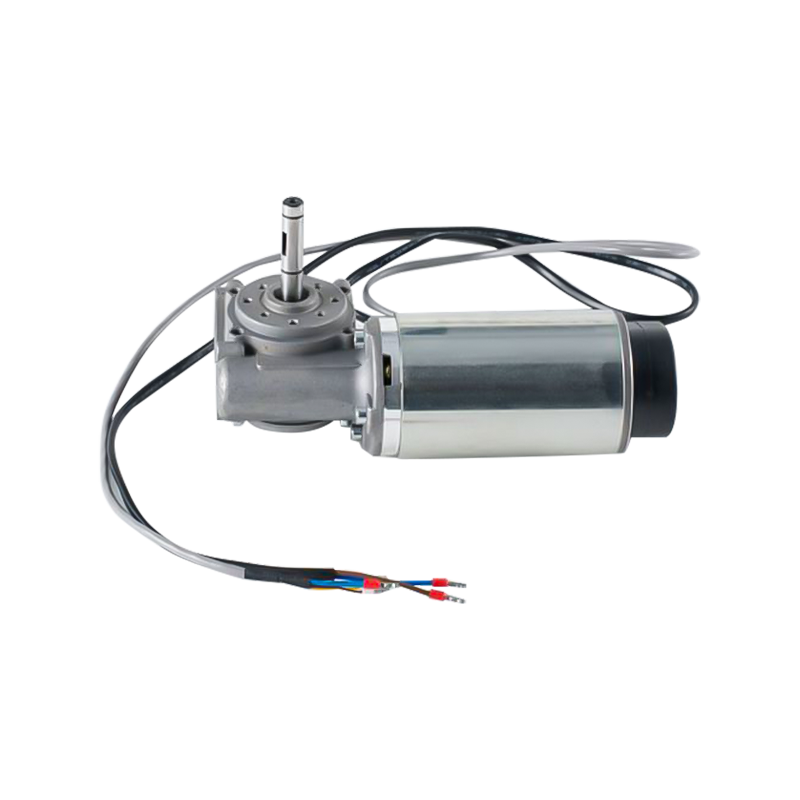
Rated Voltage 24V DC Rated Power 100W Rated Speed 200rpm No-load Speed 2...
View More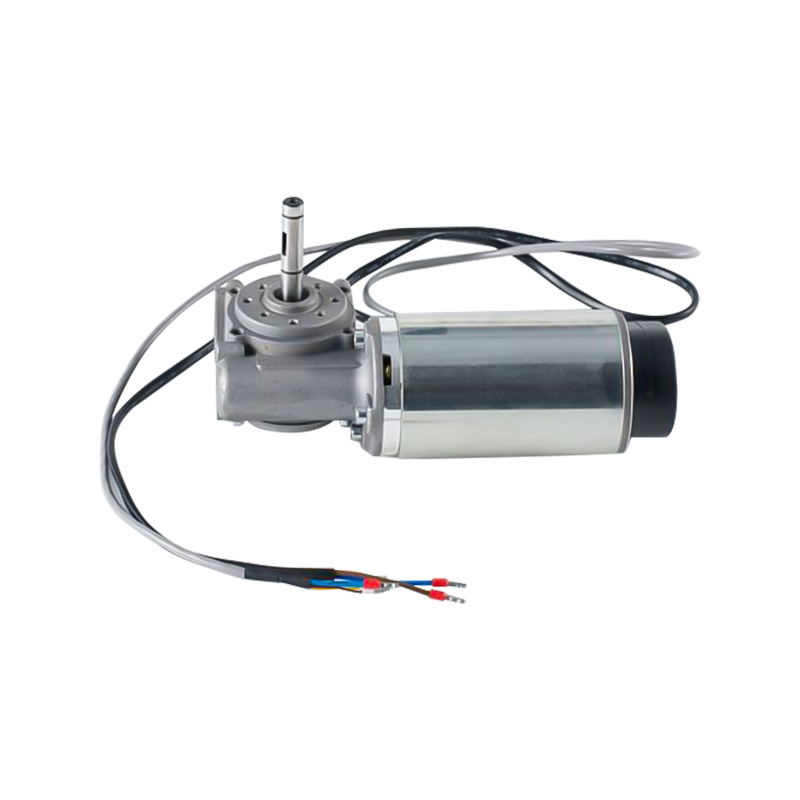
Rated Voltage 24V DC Rated Power 100W Rated Speed 200rpm No-load Speed 2...
View More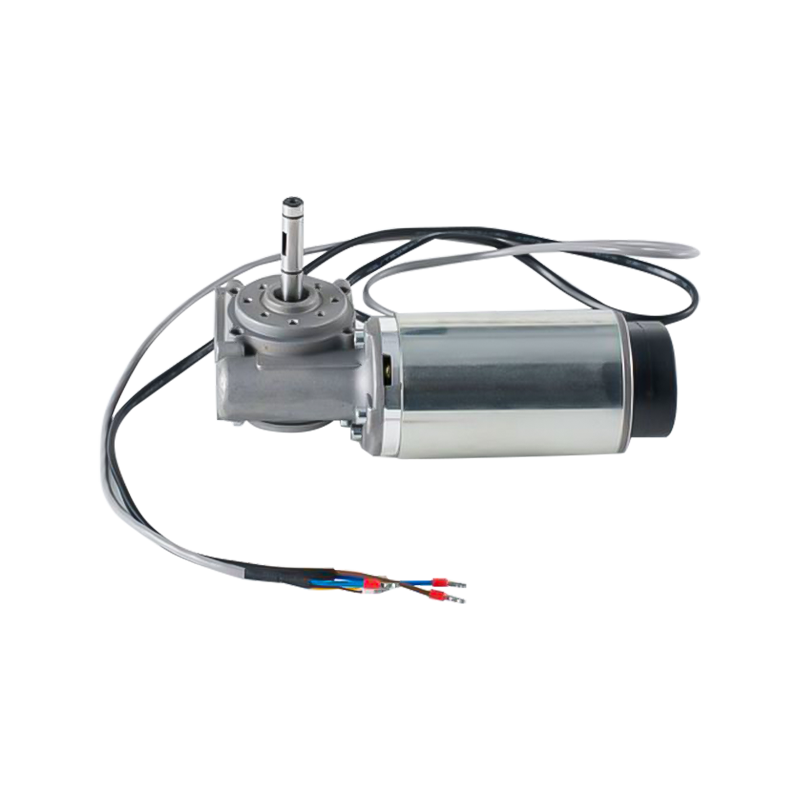
Rated Voltage 24V DC Rated Power 100W Rated Speed 200rpm No-load Speed 2...
View More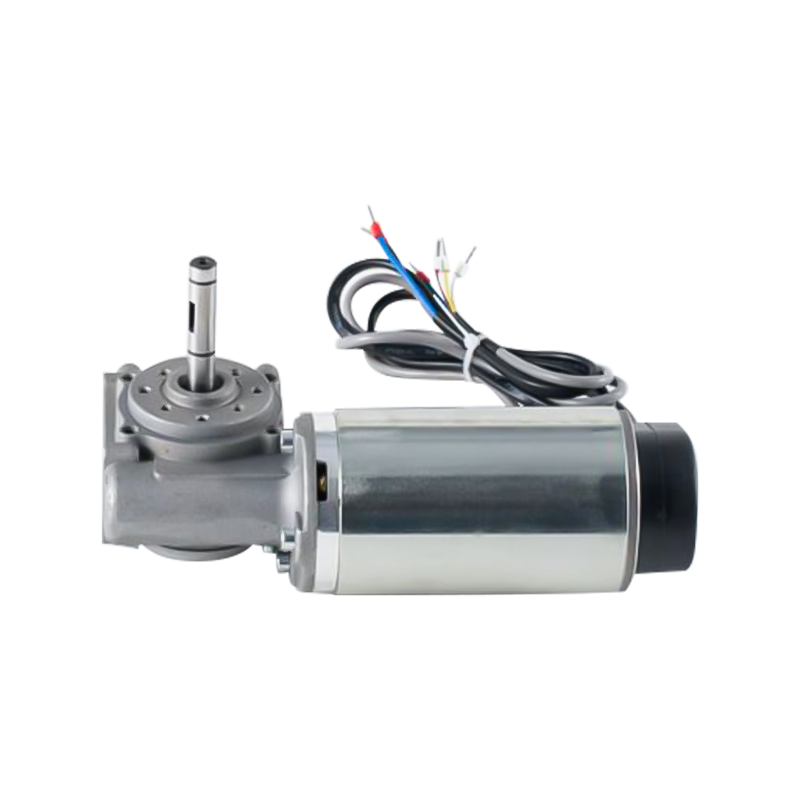
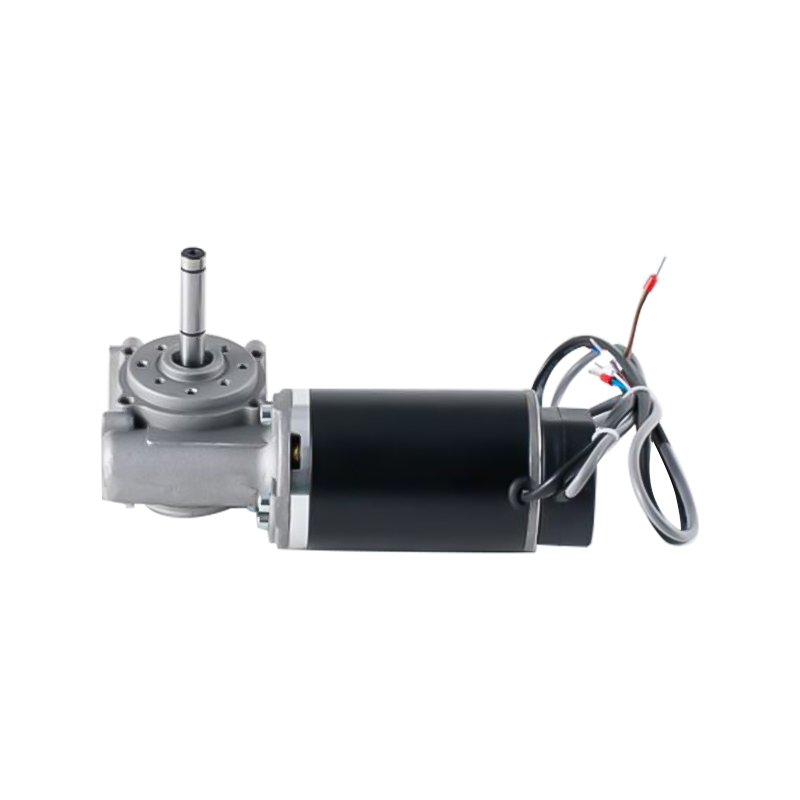
Rated Voltage 24V DC Rated Power 60W Rated Speed 220rpm No-load Speed 24...
View More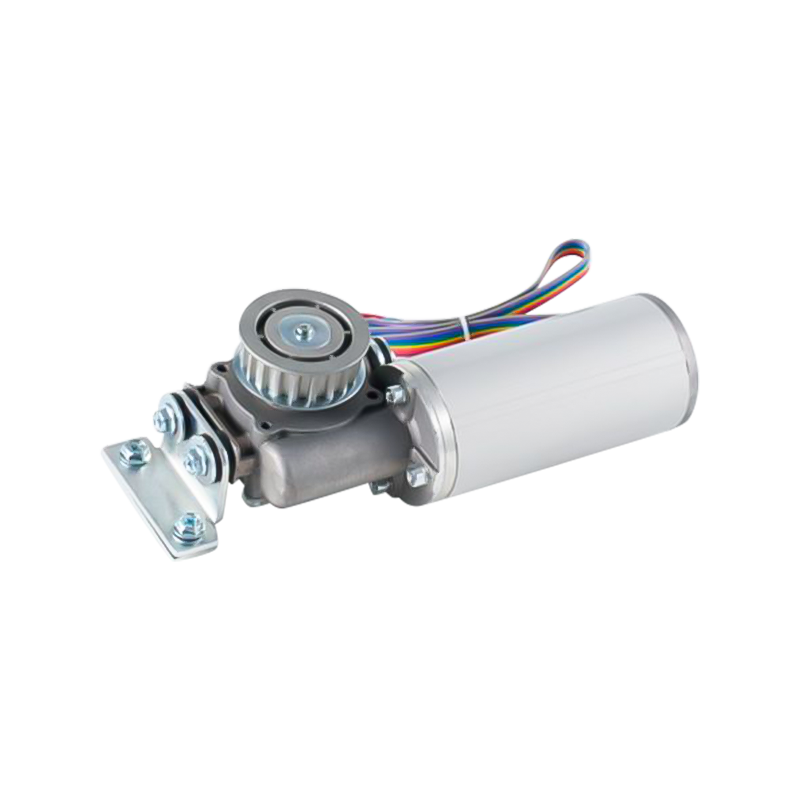
Rated Voltage 24V DC Rated Power 100W Rated Speed 120rpm No-load Speed 1...
View More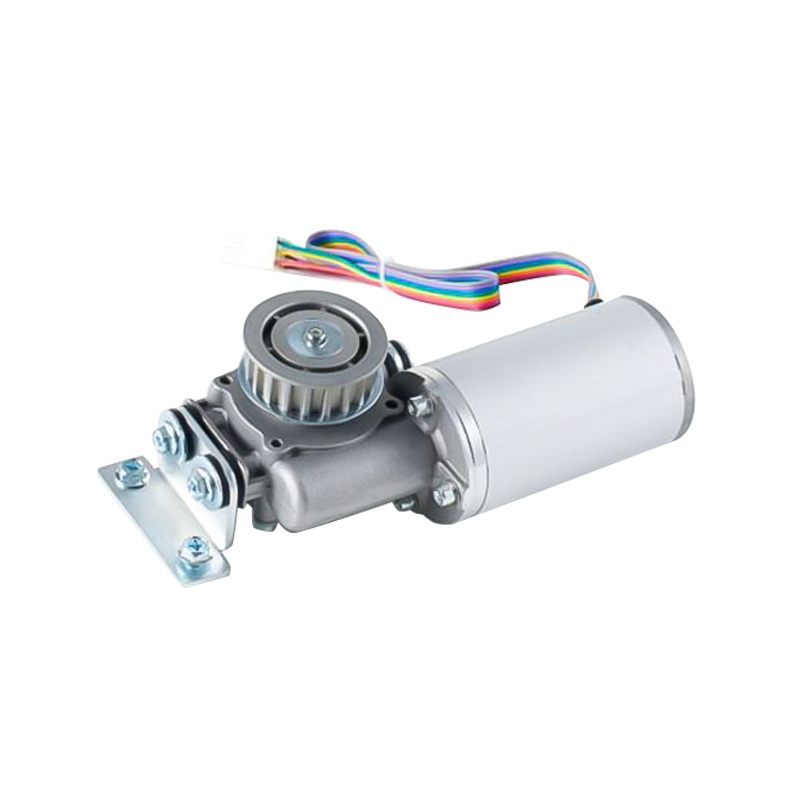
Rated Voltage 24V DC Rated Power 75W Rated Speed 120rpm No-load Speed 15...
View More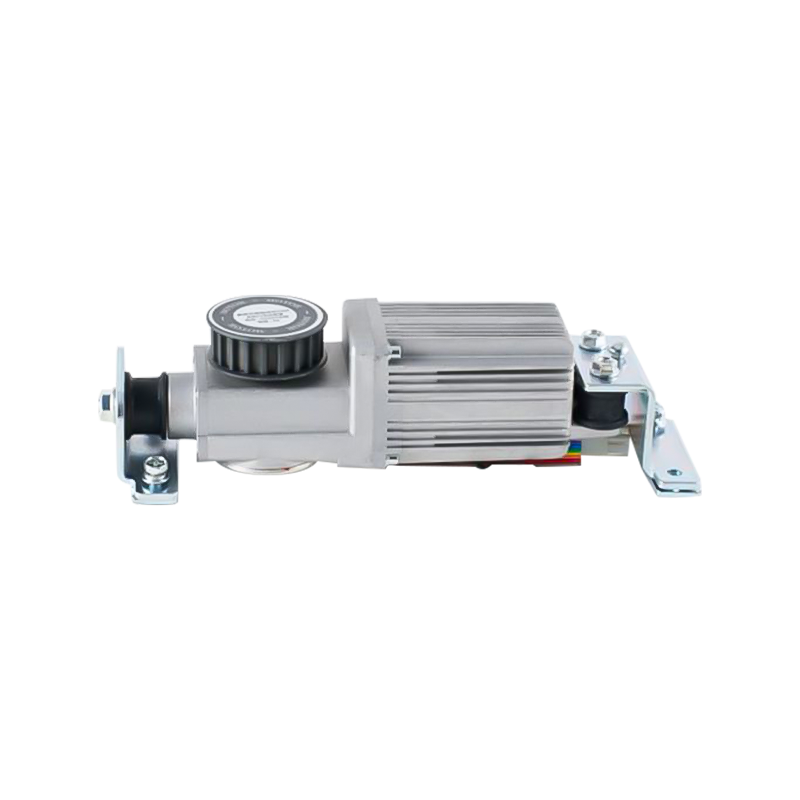
Rated Voltage 24V DC Rated Power 75W Rated Speed 150rpm No-load Speed 18...
View More