
 LANGUAGE
  English
 Türk
Türk 中文简体
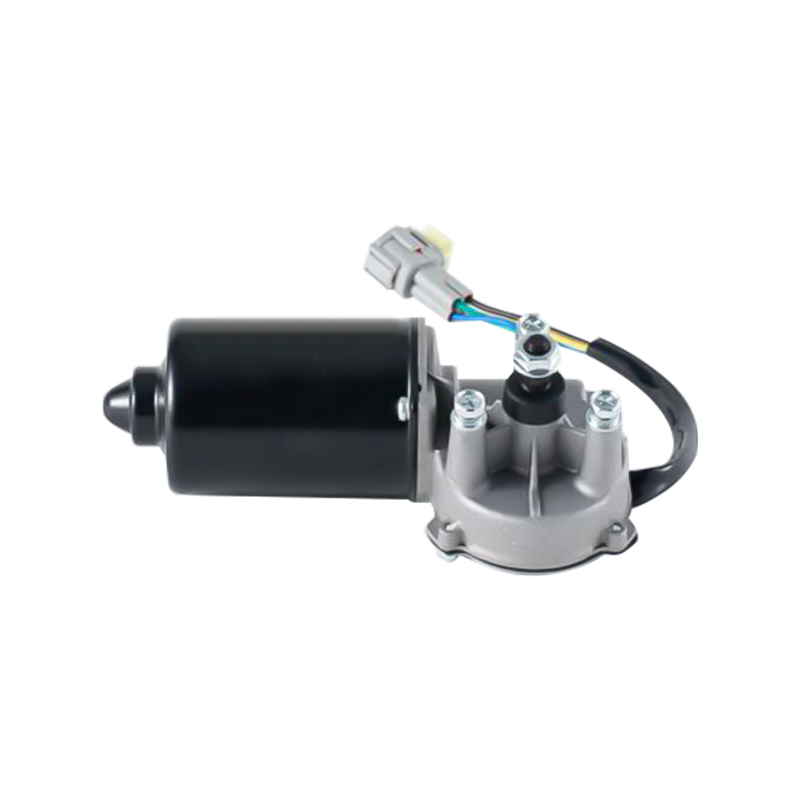
中文简体BT001 Honda Accord Windshield Wiper Motor
Power Voltage 12V DC, 35W No-load Current Low speed ≦1.5A, high speed ≦2.0A No-loa...
View MoreProper installation is crucial for ensuring the longevity and reliable performance of a DC Motor. Incorrect mounting or alignment can introduce excessive bearing loads and vibrations, causing premature wear, increased maintenance, and potential motor failure. DC Motor Factory emphasizes careful planning and adherence to installation guidelines to prevent these issues. Understanding how to reduce bearing stress and control vibration during installation is essential for engineers, technicians, and system designers.
Axial and Radial Loads: Bearings are designed to handle specific radial (perpendicular) and axial (parallel) forces. Exceeding these limits during installation can cause deformation, friction, and early failure.
Proper Shaft Alignment: Ensuring that the motor shaft aligns precisely with the load or driven equipment prevents uneven forces on the bearings. Misalignment can create high localized stresses and vibration.
Mounting Surface Preparation: Flat, level, and rigid mounting surfaces reduce bearing stress by preventing motor housing distortion and uneven load distribution.
Balanced Rotors: Motors from reputable DC Motor Factories are dynamically balanced to reduce vibrations. Verifying rotor balance before installation ensures smooth operation.
Flexible Couplings: Using flexible couplings between the motor and driven load absorbs minor misalignments and reduces transmitted vibration.
Secure Fastening: Properly torqued mounting bolts prevent movement during operation, reducing vibrational energy and associated wear on bearings.
Laser or Dial Indicators: Precise alignment tools can measure shaft position and angular deviation, ensuring misalignment.
Soft Foot Correction: Adjusting motor mounting feet to eliminate uneven contact with the base prevents bending stresses that can affect bearings.
Parallelism Check: Ensuring that shafts are parallel reduces uneven load distribution and extends bearing life.
Proper Greasing: Bearings require the correct type and amount of lubrication. Over- or under-lubrication can increase friction and vibration.
Sealed Bearings: Many DC motors come with sealed bearings to prevent contamination from dust, moisture, or debris, which can exacerbate vibration issues.
Temperature Monitoring: Bearings operating at high temperatures due to excessive load or misalignment can degrade faster. Monitoring and controlling operational temperature protects the motor.
Base Isolation Pads: Installing vibration-damping pads or mounts beneath the motor reduces the transmission of mechanical vibrations to the surrounding structure.
Soft Start Controllers: Gradual acceleration reduces sudden torque spikes, reducing vibration and bearing stress during startup.
Regular Maintenance Checks: Periodic inspections ensure that fasteners remain tight, bearings are properly lubricated, and alignment remains accurate over time.
Follow Manufacturer Guidelines: DC Motor Factories provide detailed installation instructions to prevent common errors that cause vibration or bearing damage.
Technician Training: Properly trained installation personnel are more likely to recognize potential alignment issues and prevent motor damage.
Documentation and Records: Keeping detailed records of installation and maintenance activities helps identify trends and address issues before they cause failure.
Preventing bearing stress and excessive vibration is critical for improving the lifespan and efficiency of a DC Motor. By ensuring precise alignment, using flexible couplings, maintaining proper lubrication, and following manufacturer guidance, engineers can reduce mechanical stress and vibration-related problems. Adopting these practices, along with routine inspections and proper installation techniques, helps maintain suitable motor performance and reliability. DC Motor Factories emphasize that careful attention to installation details not only protects the motor but also ensures consistent and safe operation in industrial and commercial applications.
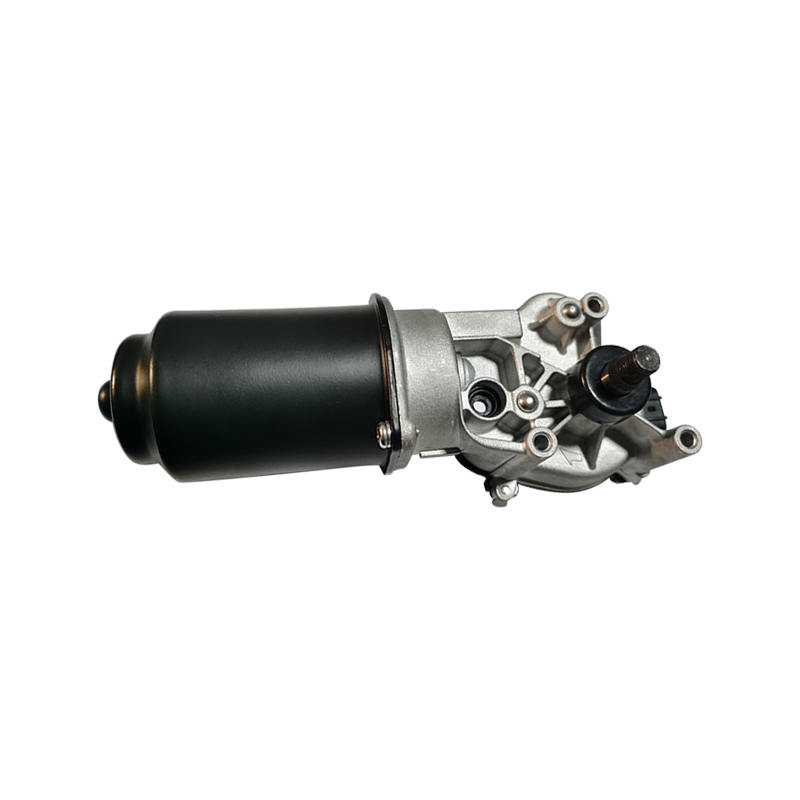
Power Voltage 12V DC, 35W No-load Current Low speed ≦1.5A, high speed ≦2.0A No-loa...
View More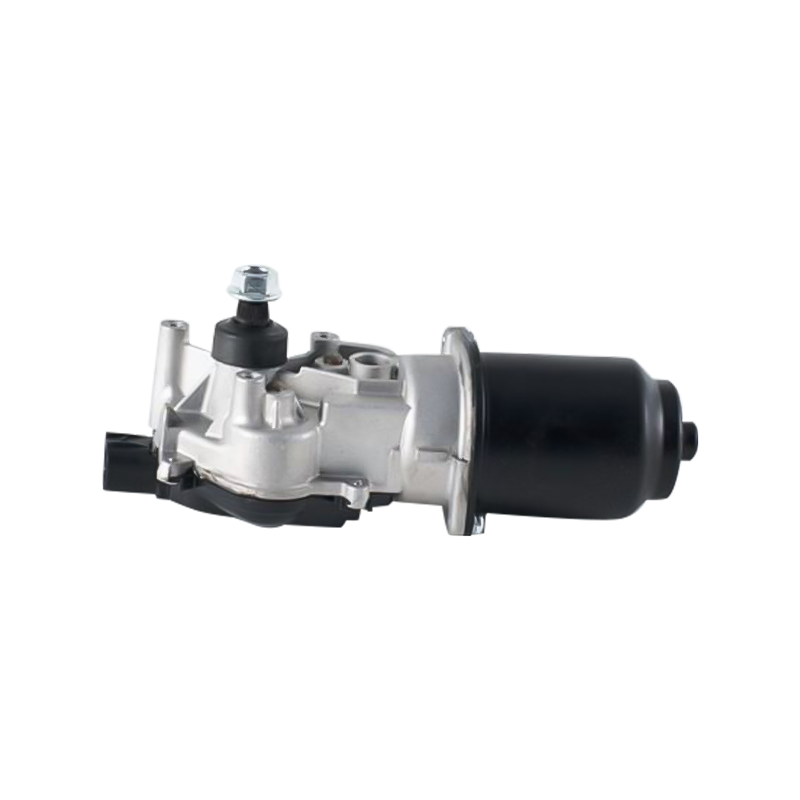
Power Voltage 12V DC, 35W No-load Current Low speed ≦1.5A, high speed ≦2.0A No-loa...
View More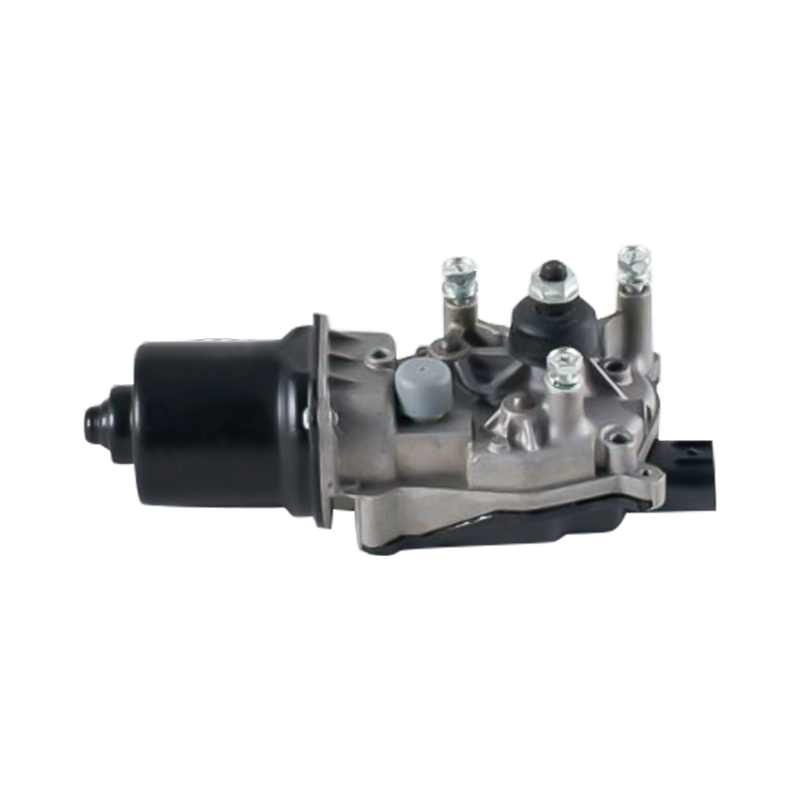
Power Voltage 12V DC, 35W No-load Current Low speed ≦1.5A, high speed ≦2.0A No-loa...
View More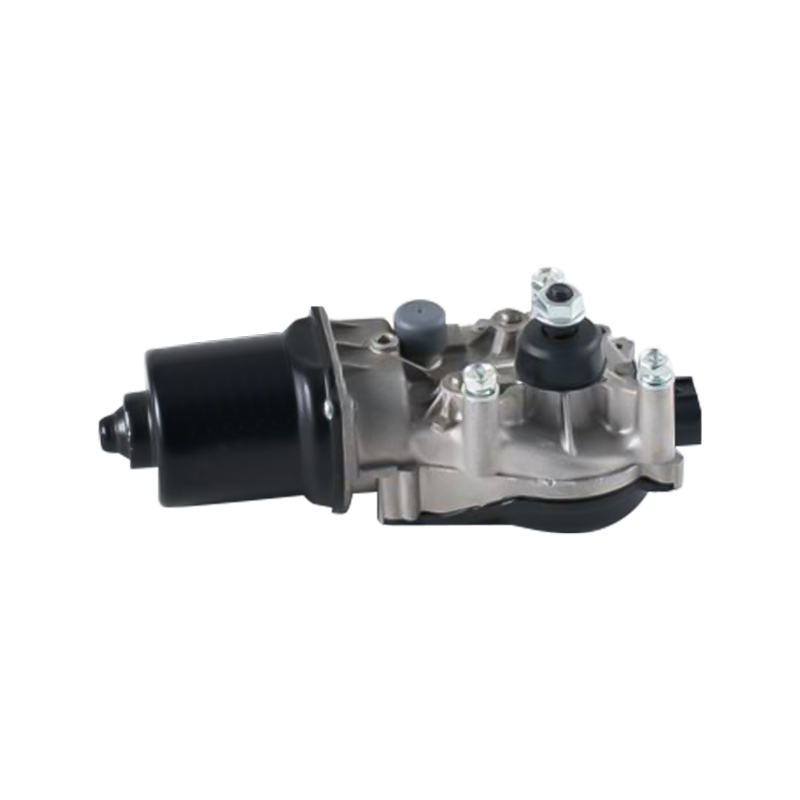
Power Voltage 12V DC, 35W No-load Current Low speed ≦1.5A, high speed ≦2.0A No-loa...
View More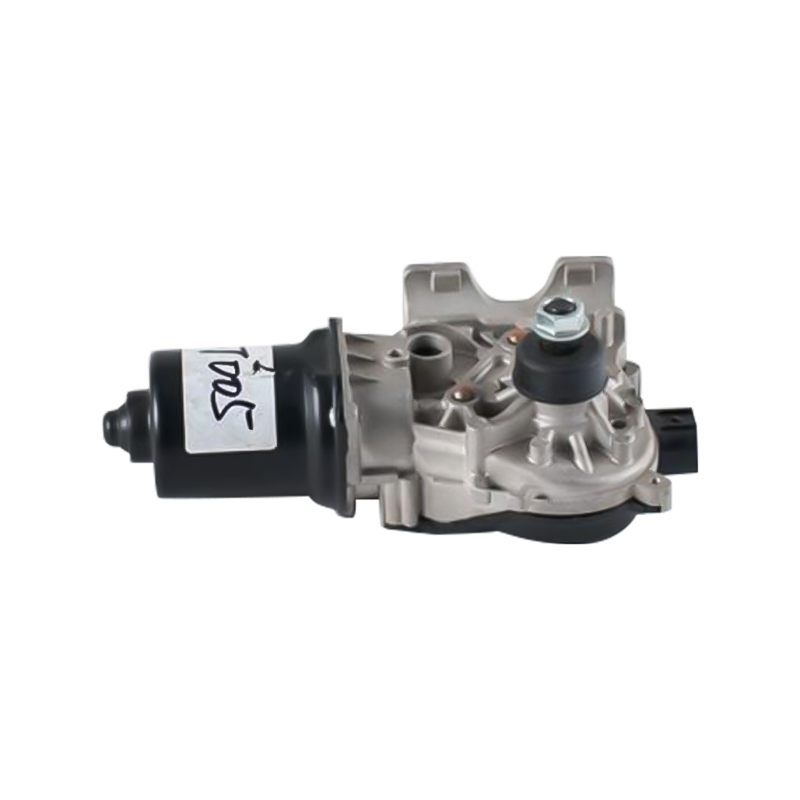
Power Voltage 12V DC, 35W No-load Current Low speed ≦1.5A, high speed ≦2.0A No-loa...
View More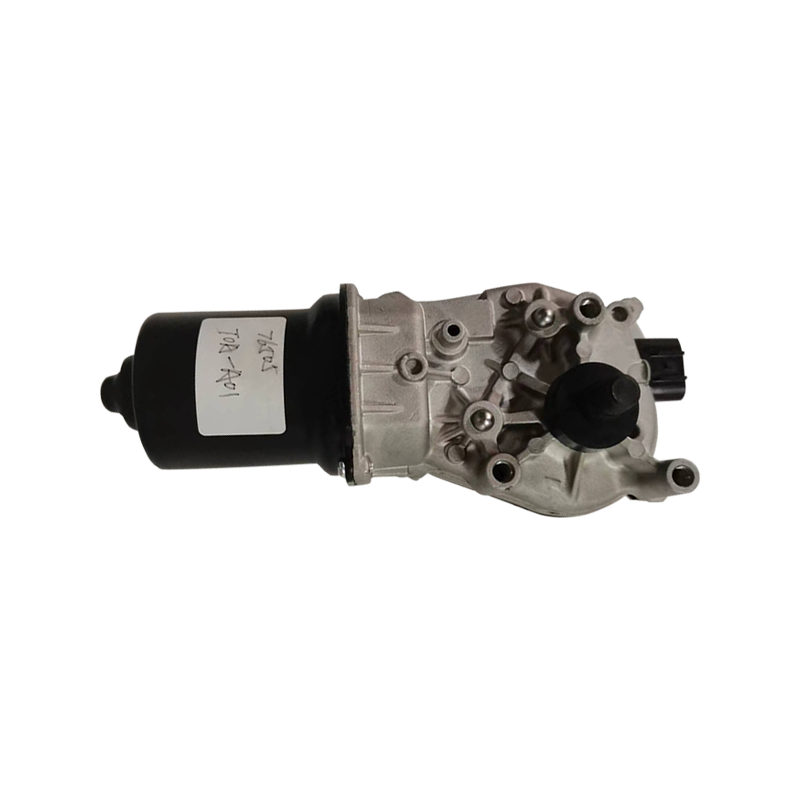
Power Voltage 12V DC, 35W No-load Current Low speed ≦1.5A, high speed ≦2.0A No-loa...
View More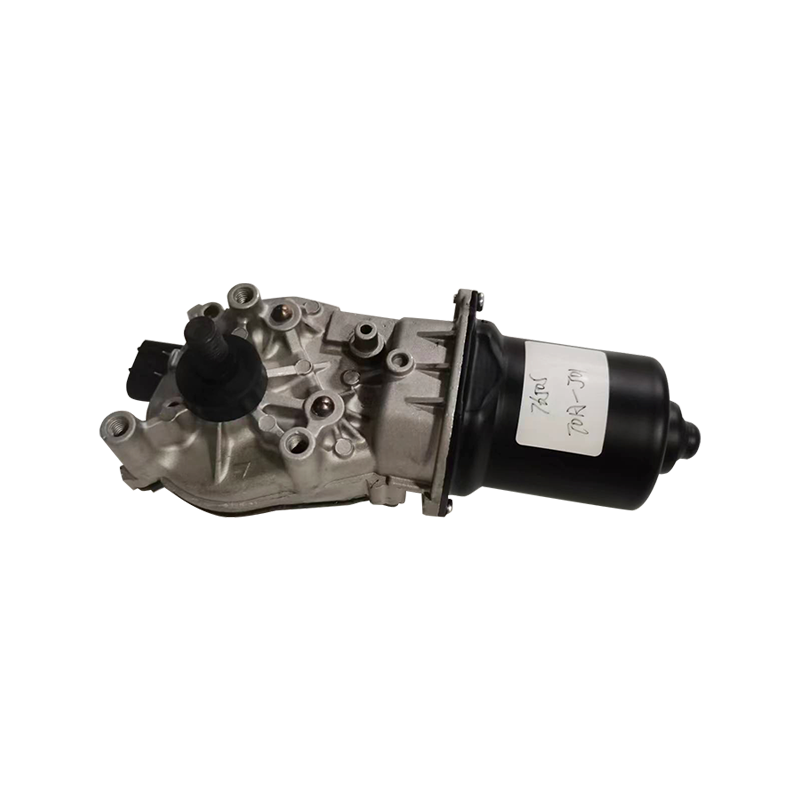
Power Voltage 12V DC, 35W No-load Current Low speed ≦1.5A, high speed ≦2.0A No-loa...
View More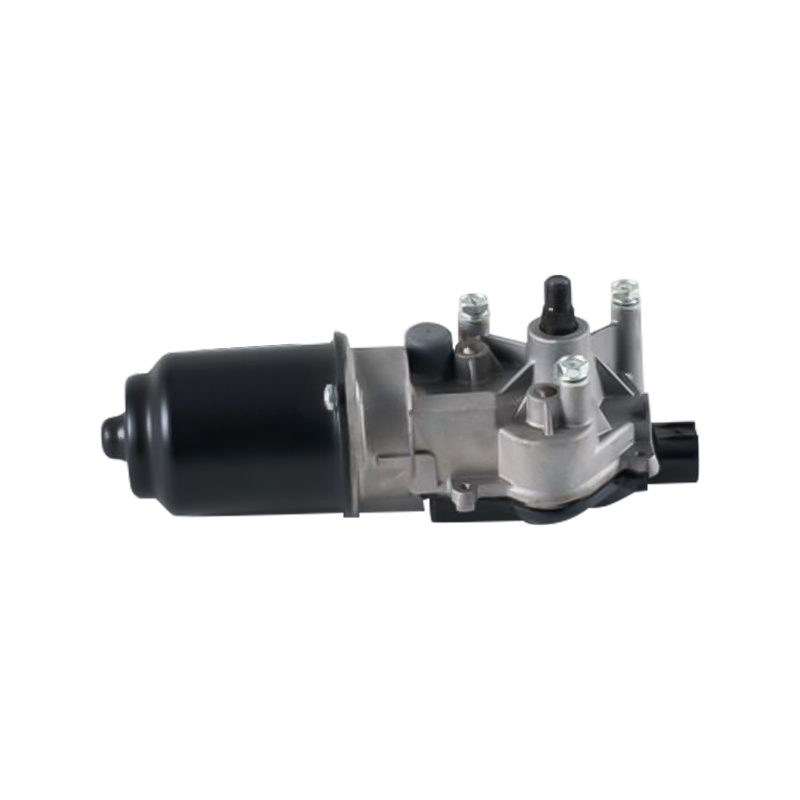
Power Voltage 12V DC, 35W No-load Current Low speed ≦1.5A, high speed ≦2.0A No-loa...
View More