
 LANGUAGE
  English
 Türk
Türk 中文简体
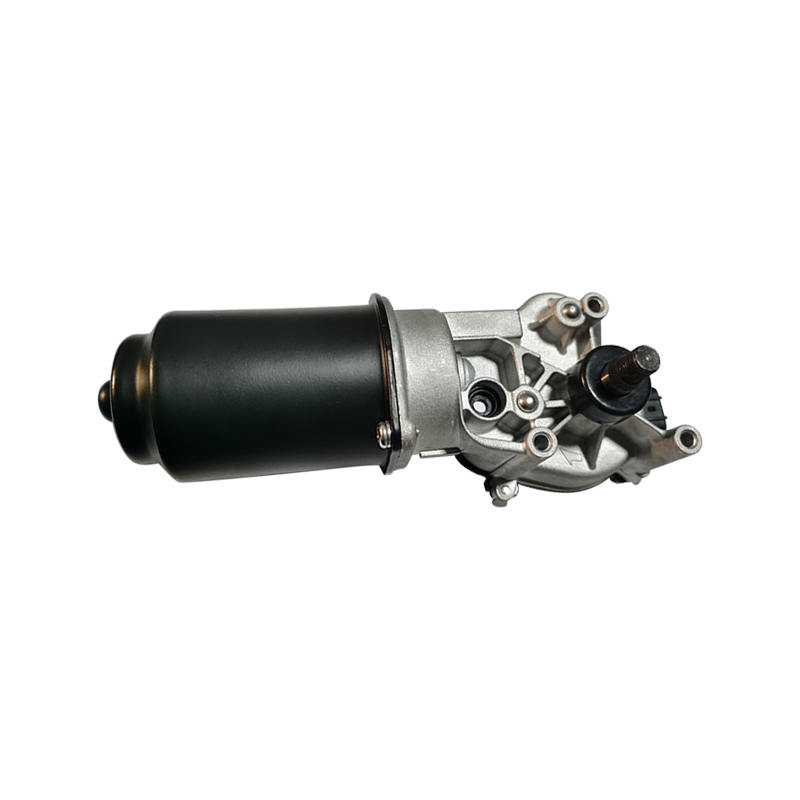
中文简体BT001 Honda Accord Windshield Wiper Motor
Power Voltage 12V DC, 35W No-load Current Low speed ≦1.5A, high speed ≦2.0A No-loa...
View MoreImproving the efficiency and stability of an Equipment Motor is essential for ensuring reliable operation, reducing energy consumption, and extending the lifespan of industrial machinery. Various factors, including mechanical design, operational load, and maintenance practices, influence motor performance. Understanding how to optimize these factors allows engineers and operators to achieve smooth, stable, and energy-efficient operation in a variety of applications.
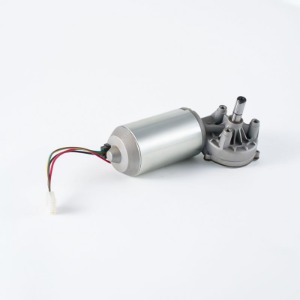
Operating Within Rated Load: Always ensure the motor operates close to its rated capacity. Underloading or overloading can reduce efficiency, generate excessive heat, and shorten motor life.
Load Distribution: For motors driving multiple components, distribute mechanical loads evenly to prevent localized stress that may cause vibration or imbalance.
Torque Control: Adjust torque according to system requirements. Using variable frequency drives (VFDs) or electronic controllers can optimize torque delivery for different operational conditions.
Proper Mounting: Securely mounting the motor on a flat, level surface decreases vibration, misalignment, and stress on bearings.
Alignment Checks: Ensure shafts are properly aligned with driven equipment. Misalignment can cause wear, energy loss, and unstable operation.
Vibration Dampening: Use vibration isolation pads or dampers to reduce mechanical stress and enhance operational stability.
Stable Power Supply: Voltage fluctuations and electrical noise can negatively affect motor performance. Employ surge protectors and stabilizers to maintain consistent power.
Soft Start Systems: Gradual ramp-up of motor speed prevents sudden torque spikes, reducing mechanical stress and improving energy efficiency.
Automation and Monitoring: Installing sensors and control systems allows real-time monitoring of temperature, current, and speed, enabling proactive adjustments to maintain stability.
Regular Inspection: Periodically check bearings, brushes, and other wear components. Early detection of issues prevents efficiency loss and unexpected downtime.
Lubrication Management: Proper lubrication of bearings reduces friction, heat generation, and energy loss, contributing to smoother and more stable operation.
Cleaning and Environmental Control: Keep the motor free from dust, moisture, and debris, which can impede airflow, reduce cooling, and cause performance fluctuations.
Optimized Motor Sizing: Select a motor that matches the load requirements. Oversized motors may operate inefficiently, while undersized motors can overheat and fail.
Use of High-Efficiency Motors: Modern high-efficiency or premium-efficiency motors convert more electrical energy into mechanical work, reducing energy consumption.
Power Factor Correction: Implement capacitors or other correction devices to improve power factor, reducing energy loss and enhancing system efficiency.
Coupling and Gear Selection: Use appropriate couplings, gears, and belts to decrease energy losses during transmission.
Thermal Management: Adequate cooling and ventilation prevent overheating, ensuring consistent performance under prolonged operation.
Operational Scheduling: Adjust operating times and load cycles to avoid continuous peak loads, improving overall efficiency and stability.
Enhancing the efficiency and stability of an Equipment Motor requires a combination of proper load management, mechanical alignment, electrical control, and diligent maintenance. By optimizing operational parameters, employing advanced control systems, and ensuring regular inspections, operators can significantly improve motor performance, reduce energy consumption, and extend equipment lifespan. Implementing these strategies not only ensures reliable and stable operation but also contributes to cost savings and environmental sustainability, making them essential for modern industrial applications.
Power Voltage 12V DC, 35W No-load Current Low speed ≦1.5A, high speed ≦2.0A No-loa...
View More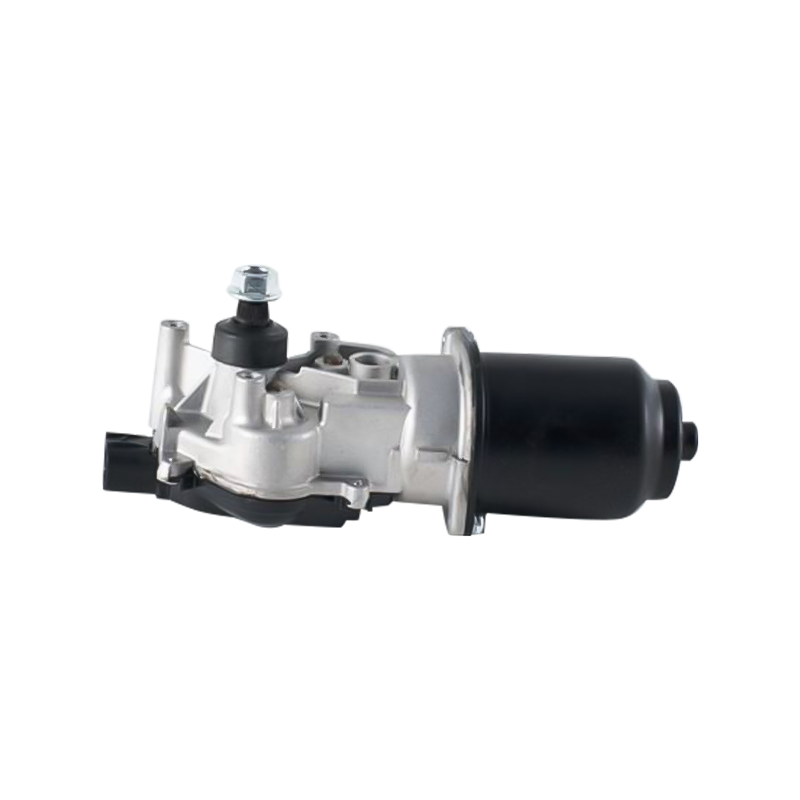
Power Voltage 12V DC, 35W No-load Current Low speed ≦1.5A, high speed ≦2.0A No-loa...
View More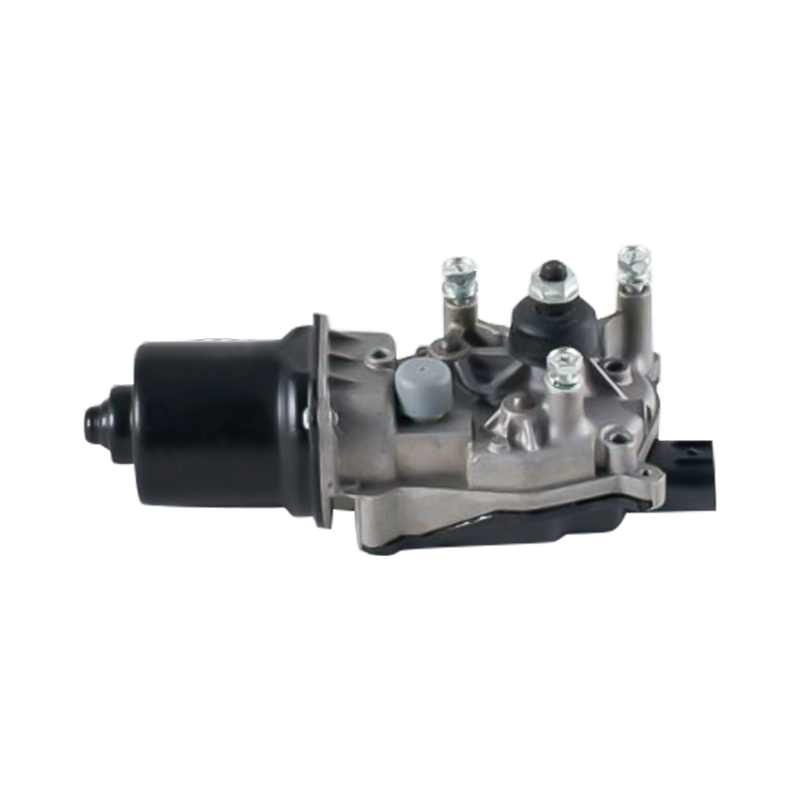
Power Voltage 12V DC, 35W No-load Current Low speed ≦1.5A, high speed ≦2.0A No-loa...
View More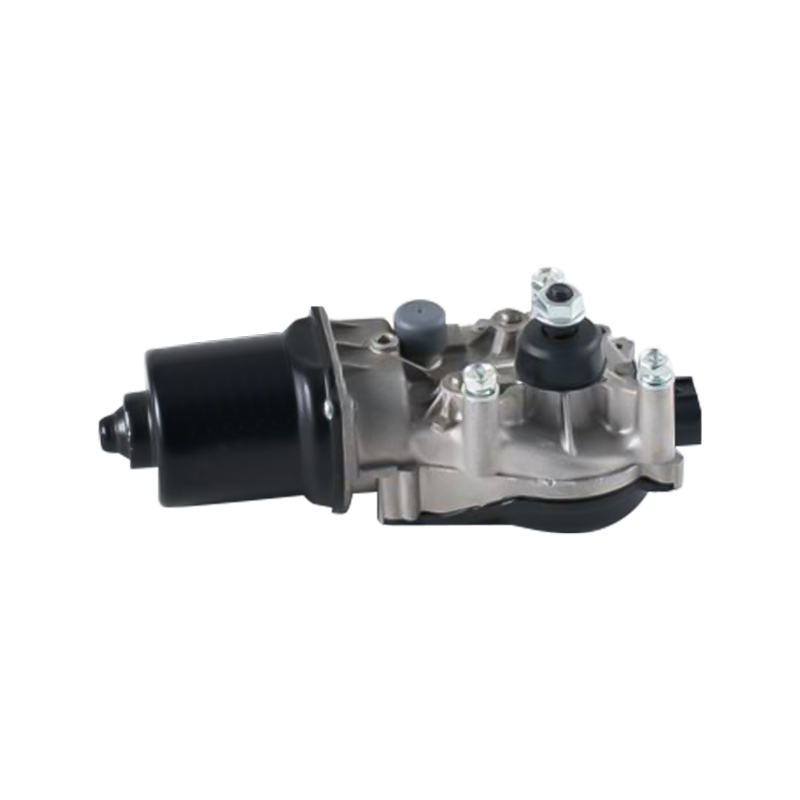
Power Voltage 12V DC, 35W No-load Current Low speed ≦1.5A, high speed ≦2.0A No-loa...
View More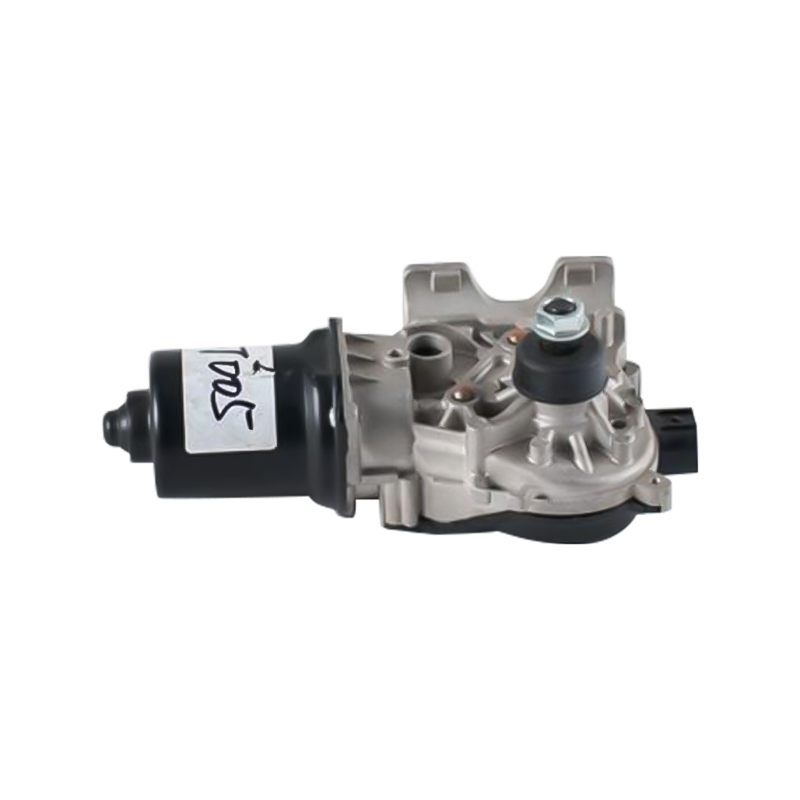
Power Voltage 12V DC, 35W No-load Current Low speed ≦1.5A, high speed ≦2.0A No-loa...
View More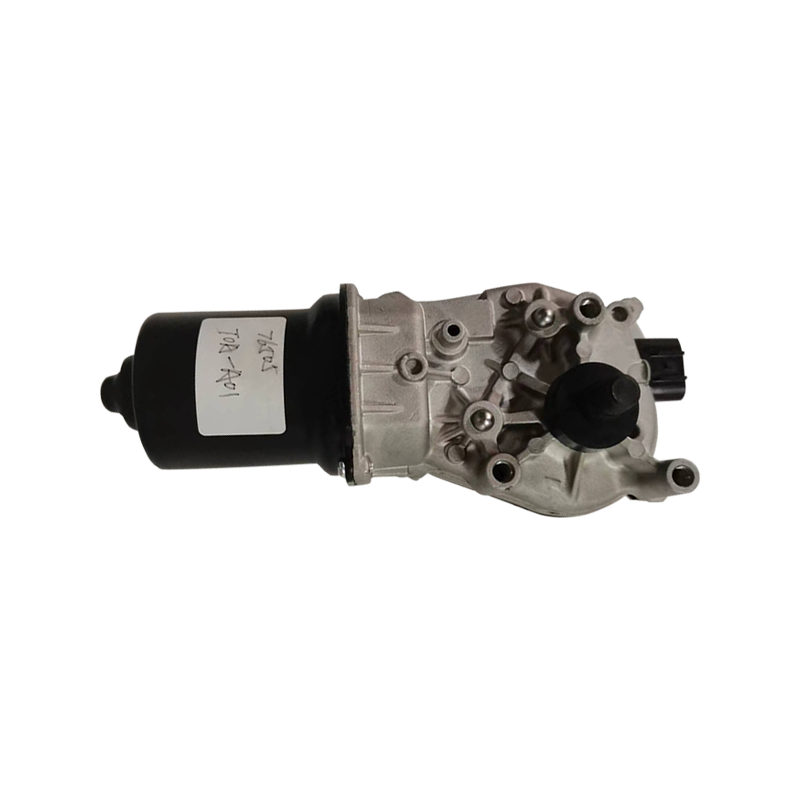
Power Voltage 12V DC, 35W No-load Current Low speed ≦1.5A, high speed ≦2.0A No-loa...
View More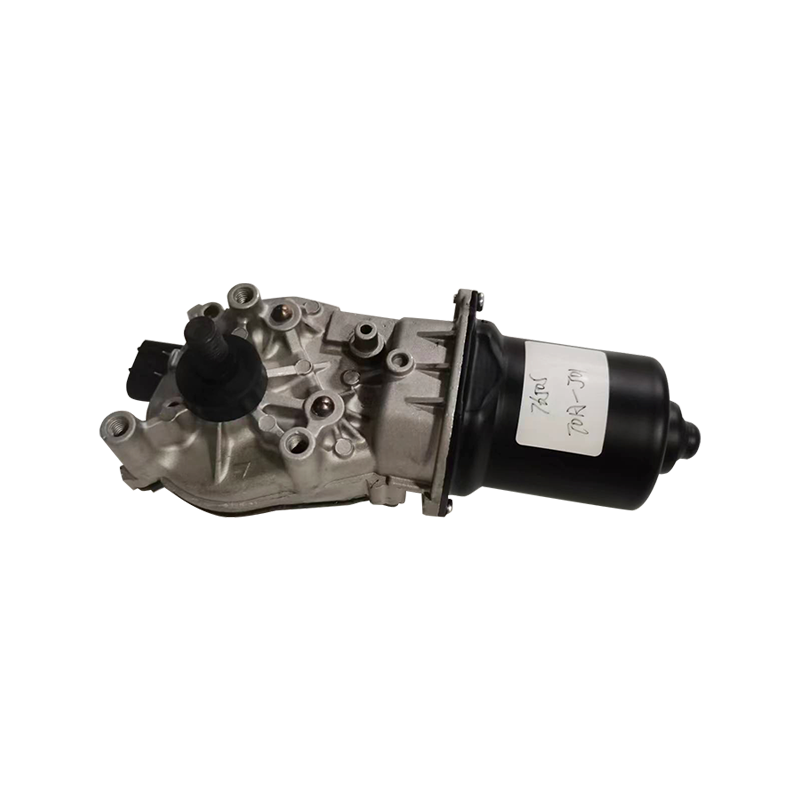
Power Voltage 12V DC, 35W No-load Current Low speed ≦1.5A, high speed ≦2.0A No-loa...
View More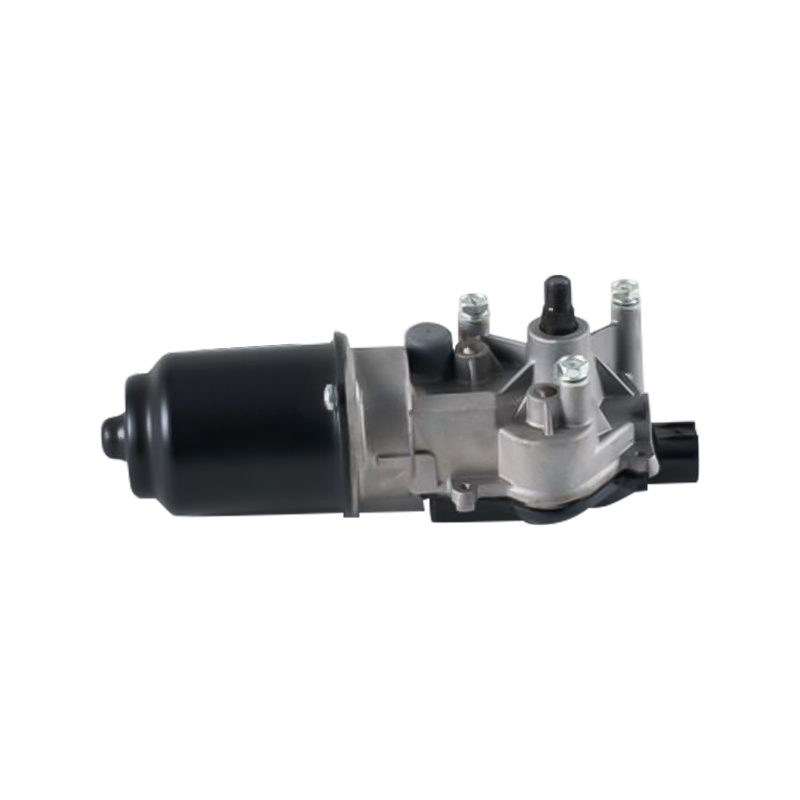
Power Voltage 12V DC, 35W No-load Current Low speed ≦1.5A, high speed ≦2.0A No-loa...
View More